Chlamydia trachomatis D/UW-3/CX

Gram-negativeRodNon-motile

Kingdom

Pseudomonadati

Phylum

Chlamydiota

Class

Chlamydiia

Order

Chlamydiales

Family

Chlamydiaceae

Genus

Chlamydia

Description

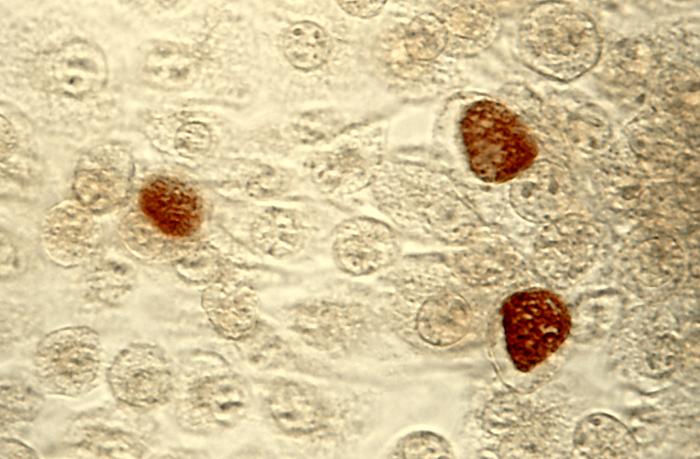
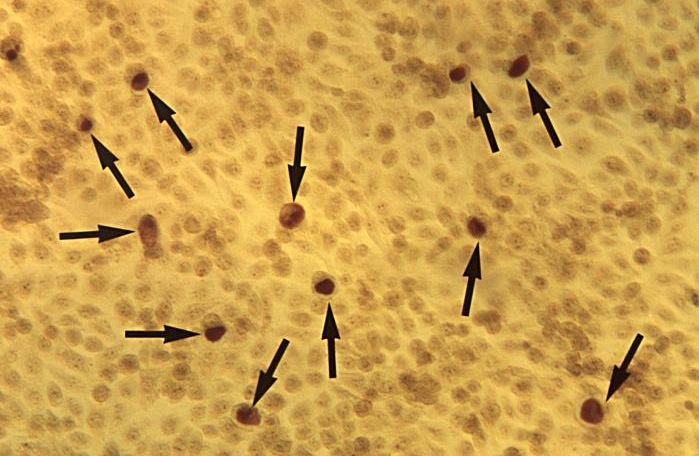
Chlamydia trachomatis D/UW-3/CX is a Gram-negative, coccoid bacterium that thrives in a range of body sites within the human host, predominantly in the urogenital tract, but also found in the conjunctiva and rectum. This microbe is classified as a chemoheterotroph, deriving its energy from organic compounds, and is notable for being an obligate intracellular pathogen, meaning it requires host cells for survival and replication. Chlamydia trachomatis has a temperature preference for the human body, typically around 37°C, allowing it to exploit its host effectively. As a Gram-negative organism, it possesses a thin peptidoglycan layer surrounded by an outer membrane containing lipopolysaccharides, which contribute to its virulence and immune evasion mechanisms. The coccoid shape of Chlamydia trachomatis aids in its ability to remain inside host cells and avoid detection by the immune system. Its obligate intracellular lifestyle means that it enters host epithelial cells, where it replicates within a specialized vacuole called an inclusion body.One of the most significant aspects of Chlamydia trachomatis infection is its potential for causing long-term health issues. Infections can lead to complications such as pelvic inflammatory disease, infertility, and chronic pain. Furthermore, Chlamydia trachomatis is also responsible for the leading cause of preventable blindness globally, known as trachoma, highlighting its broader public health implications. This microbe's ability to exist in various body sites and adapt to the host environment underscores its role as a notable pathogen in human health.

Taxonomy

KingdomPseudomonadati
PhylumChlamydiota
ClassChlamydiia
OrderChlamydiales
FamilyChlamydiaceae
GenusChlamydia
SpeciesChlamydia trachomatis
StrainD/UW-3/CX

Profile

Physiology
Gram staining propertiesNegative
ShapeRod
MobilityNo
Flagellar presenceYes
Number of membranes2
Image of Chlamydia trachomatis D/UW-3/CX
Ecology, Host, and Life Cycle
Oxygen requirementsNot Available
Optimal temperature37
Temperature rangeMesophilic
HabitatHostAssociated
Biotic relationshipSymbiotic
Host(s)Homo sapiens
Cell arrangementNot Available
SporulationNot Available
Energy sourceNot Available
PathogenicityYes

Genome Summary

Chlamydia trachomatis D/UW-3/CX

Accession NumberNC_000117.1

Gene Summary

Adenine Count

Not Available

Thymine Count

Not Available

Guanine Count

Not Available

Cytosine Count

Not Available

Genome Length

Not Available

Protein-coding Genes

Not Available

Non-Coding Genes

Not Available

# of Chromosomes/Plasmids

1

Genes

NameLocus TagUniProtStrandCoordinatesMolecular Weight
hypothetical proteinCT_001Not Available-1321 - 15939768.24
aspartyl/glutamyl-trna amidotransferase subunit cCT_002Not Available+1794 - 209611074.2
aspartyl/glutamyl-trna amidotransferase subunit aCT_003Not Available+2108 - 358353591.3
aspartyl/glutamyl-trna amidotransferase subunit bCT_004Not Available+3585 - 505155021.1
hypothetical proteinCT_005Not Available-5150 - 624139551.9
hypothetical proteinCT_006Not Available-6369 - 693820247.1
hypothetical proteinCT_007Not Available+7251 - 820135639.5
ribonuclease hiiCT_008Not Available-8217 - 911933020.8
dna-binding proteinCT_009Not Available+9373 - 980416226.7
acyltransferaseCT_010Not Available-9791 - 1115852061.6

Displaying genes 1 – 10 of 930 in total

Pathways

3 pathways

Metabolites

15 records
Metabolite IDMetabolite nameStructureCAS number
BASm00027107,8-dihydrofolateC19H19N7O6Chemical structure of 7,8-dihydrofolateNot available
Average441.405Da
Monoisotopic441.1407785Da
BASm00034334-amino-4-deoxychorismateC10H10NO5Chemical structure of 4-amino-4-deoxychorismate133442-18-9
Average224.193Da
Monoisotopic224.056446006Da
BASm0003656N-acetyl-beta-D-muramate 6-phosphateC11H17NO11PChemical structure of N-acetyl-beta-D-muramate 6-phosphateNot available
Average370.228Da
Monoisotopic370.0555681Da
BASm00036917,8-dihydroneopterin 3'-phosphateC9H12N5O7PChemical structure of 7,8-dihydroneopterin 3'-phosphateNot available
Average333.1946Da
Monoisotopic333.047434275Da
BASm00041244-(gamma-L-glutamylamino)butanalC9H16N2O4Chemical structure of 4-(gamma-L-glutamylamino)butanalNot available
Average216.2343Da
Monoisotopic216.11100701Da
BASm0004924UDP-N-acetyl-alpha-D-mannosaminouronateC17H22N3O18P2Chemical structure of UDP-N-acetyl-alpha-D-mannosaminouronateNot available
Average618.3134Da
Monoisotopic618.037358939Da
BASm0004925UDP-N-acetyl-alpha-D-muramateC20H28N3O19P2Chemical structure of UDP-N-acetyl-alpha-D-muramateNot available
Average676.395Da
Monoisotopic676.080870429Da
BASm0014032Acetic acidC2H4O2Chemical structure of Acetic acid64-19-7
Average60.052Da
Monoisotopic60.021129372Da
BASm0014042Oxoglutaric acidC5H6O5Chemical structure of Oxoglutaric acid328-50-7
Average146.0981Da
Monoisotopic146.021523302Da
BASm0014067p-Aminobenzoic acidC7H7NO2Chemical structure of p-Aminobenzoic acid150-13-0
Average137.136Da
Monoisotopic137.047678473Da

Displaying 1–10 of 15 metabolites