Chlamydia trachomatis 434/Bu

Gram-negativeRodNon-motile

Kingdom

Pseudomonadati

Phylum

Chlamydiota

Class

Chlamydiia

Order

Chlamydiales

Family

Chlamydiaceae

Genus

Chlamydia

Description

Chlamydia trachomatis 434/Bu is a gram-negative, pleomorphic bacterium that typically appears as a spherical or oval-shaped organism. This microbe thrives at a mesophilic temperature range, ideally between 30-37°C, making it well-suited for growth in the human body. As a heterotroph, C. trachomatis relies on organic compounds for its metabolic energy, underscoring its parasitic nature. It is classified as an obligate intracellular pathogen, which means it can only replicate within the host's cells, predominantly affecting the epithelial cells of the urogenital tract, but can also be found in other body sites such as the conjunctiva and the rectum. The unique morphology of C. trachomatis is marked by its biphasic developmental cycle, consisting of elementary bodies (EB) and reticulate bodies (RB). The EB is the infectious form that enters host cells, while the RB is involved in growth and replication within the host cytoplasm. This versatility allows the bacterium to evade the immune response and establish persistent infections, which can lead to conditions such as chlamydial cervicitis, pelvic inflammatory disease, and even infertility in women if left untreated. C. trachomatis is one of the most common sexually transmitted infections globally, often asymptomatic, particularly in women. The prevalence of this pathogen is concerning, as it can also lead to complications such as ectopic pregnancies and chronic pelvic pain. Furthermore, it has been associated with an increased risk of HIV transmission. The ability of C. trachomatis to persist without causing immediate symptoms highlights the importance of regular screening and education in preventing its spread.

Taxonomy

KingdomPseudomonadati
PhylumChlamydiota
ClassChlamydiia
OrderChlamydiales
FamilyChlamydiaceae
GenusChlamydia
SpeciesChlamydia trachomatis
Strain434/Bu

Profile

Physiology
Gram staining propertiesNegative
ShapeRod
MobilityNo
Flagellar presenceYes
Number of membranes2
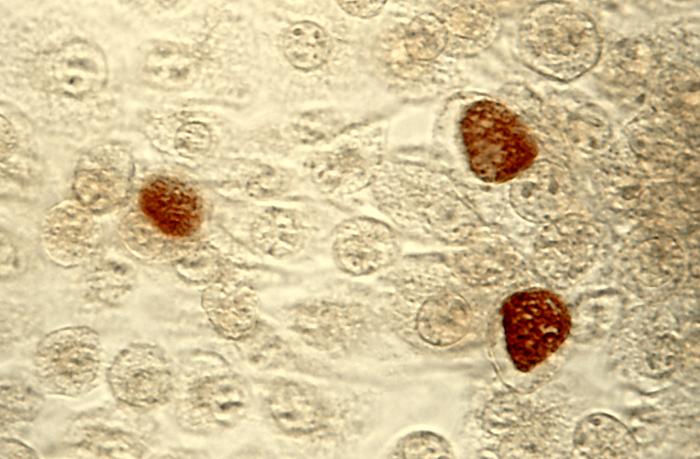
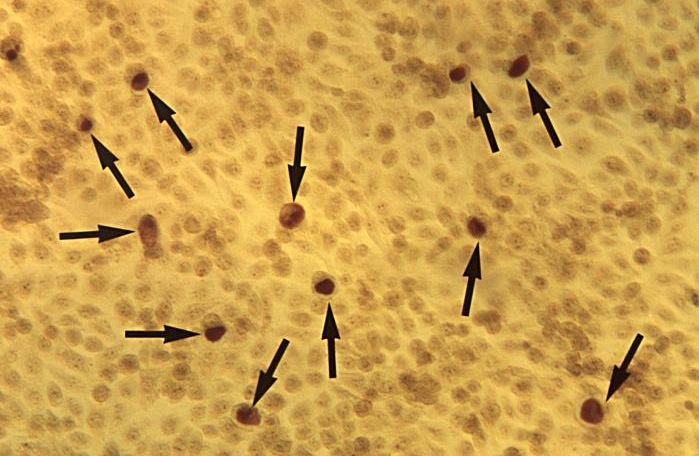
Image of Chlamydia trachomatis 434/Bu
Ecology, Host, and Life Cycle
Oxygen requirementsNot Available
Optimal temperature37
Temperature rangeMesophilic
HabitatHostAssociated
Biotic relationshipSymbiotic
Host(s)Homo sapiens
Cell arrangementNot Available
SporulationNot Available
Energy sourceNot Available
PathogenicityYes

Genome Summary

Chlamydia trachomatis 434/Bu

Accession NumberNC_010287.1

Gene Summary

Adenine Count

Not Available

Thymine Count

Not Available

Guanine Count

Not Available

Cytosine Count

Not Available

Genome Length

Not Available

Protein-coding Genes

900 genes

Non-Coding Genes

46 genes

# of Chromosomes/Plasmids

1

Genes

NameLocus TagUniProtStrandCoordinatesMolecular Weight
porphobilinogen synthaseCTL_RS00005Not Available+1 - 101737727.8
na(+)-translocating nadh-quinone reductase subunit aCTL_RS00010Not Available-1043 - 244051760.0
hypothetical proteinCTL_RS00015Not Available-2462 - 289616754.7
grea/greb family elongation factorCTL_RS00020Not Available+3010 - 515781000.8
Trna-alaNot AvailableNot Available+5166 - 5238Not Available
amino acid aminotransferaseCTL_RS00030Not Available+5345 - 654744739.0
rod shape-determining protein mrecCTL_RS00035Not Available+6522 - 753237185.9
exodeoxyribonuclease v subunit betaCTL_RS00040Not Available-7548 - 10628117886.0
exodeoxyribonuclease v subunit gammaCTL_RS00045Not Available-10630 - 13650114677.0
mfs transporterCTL_RS00050Not Available+13663 - 1534261901.1

Displaying genes 1 – 10 of 946 in total

Pathways

4 pathways

Metabolites

9 records
Metabolite IDMetabolite nameStructureCAS number
BASm00041244-(gamma-L-glutamylamino)butanalC9H16N2O4Chemical structure of 4-(gamma-L-glutamylamino)butanalNot available
Average216.2343Da
Monoisotopic216.11100701Da
BASm0014032Acetic acidC2H4O2Chemical structure of Acetic acid64-19-7
Average60.052Da
Monoisotopic60.021129372Da
BASm0014033AmmoniaH3NChemical structure of Ammonia7664-41-7
Average17.0305Da
Monoisotopic17.026549101Da
BASm0014037Fumaric acidC4H4O4Chemical structure of Fumaric acid110-17-8
Average116.0722Da
Monoisotopic116.010958616Da
BASm0014042Oxoglutaric acidC5H6O5Chemical structure of Oxoglutaric acid328-50-7
Average146.0981Da
Monoisotopic146.021523302Da
BASm0014051Capric acidC10H20O2Chemical structure of Capric acid334-48-5
Average172.2646Da
Monoisotopic172.146329884Da
BASm0017263NADPC21H29N7O17P3Chemical structure of NADP53-59-8
Average744.4129Da
Monoisotopic744.083277073Da
BASm00174514-(Glutamylamino) butanoateC9H16N2O5Chemical structure of 4-(Glutamylamino) butanoate5105-96-4
Average232.2337Da
Monoisotopic232.105921632Da
BASm0020011trans-dec-2-enoyl-CoAC31H52N7O17P3SChemical structure of trans-dec-2-enoyl-CoANULL
Average919.768Da
Monoisotopic919.235323499Da

Displaying 1–9 of 9 metabolites