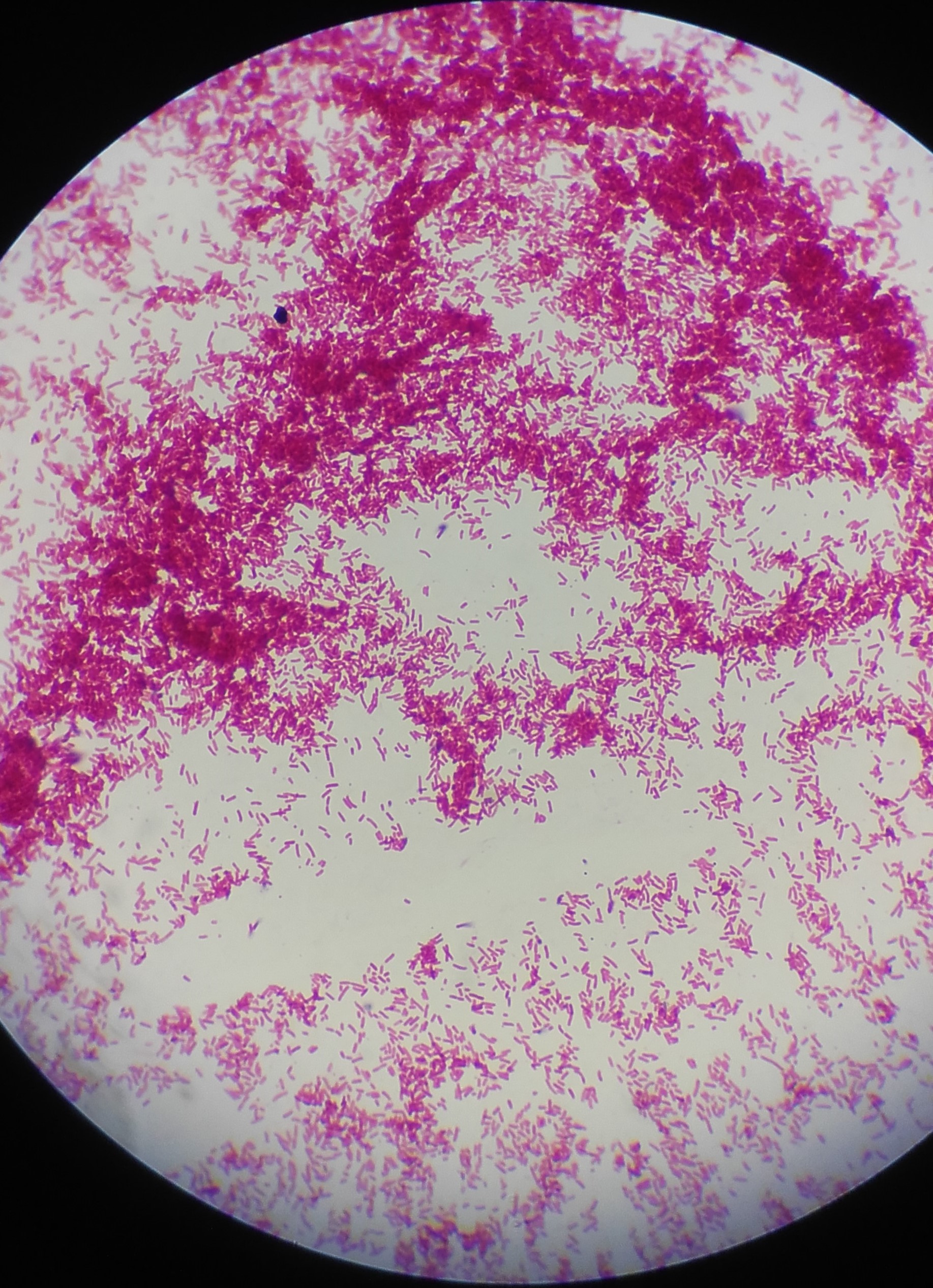
Lactobacillus helveticus

Gram-positiveRodNon-motileFacultative anaerobe

Kingdom

Bacillati

Phylum

Bacillota

Class

Bacilli

Order

Lactobacillales

Family

Lactobacillaceae

Genus

Lactobacillus

Description

Lactobacillus helveticus is a species of bacteria that thrives in a temperature range of 20-40°C, classified as a mesophile. Metabolically, it is a chemoheterotroph, meaning it obtains its energy by oxidizing organic compounds and reducing inorganic substances. Specifically, L. helveticus produces its energy through the process of fermentation, utilizing carbohydrates and proteins as its energy source. As a gram-positive bacterium, L. helveticus has a thick peptidoglycan cell wall, characteristic of the gram-positive staining reaction. Its rod-shaped morphology allows it to colonize various body sites, including the gut, skin, and oral cavity. In fact, L. helveticus is part of the normal microbiota in the human gut, where it plays a role in maintaining a healthy balance of the gut flora. L. helveticus is an oxygen-tolerant microorganism, classified as a facultative anaerobe, which means it can survive in the presence of oxygen but can also thrive in low-oxygen environments. This adaptability allows it to colonize various niches within the human body. In addition to its importance in the human gut, L. helveticus has been used in the production of fermented foods such as cheese, yogurt, and sauerkraut, where it contributes to the development of flavor and texture. Research on L. helveticus has also revealed its potential in alleviating symptoms of irritable bowel syndrome (IBS) and improving lactose tolerance. Furthermore, its antimicrobial properties have been explored as a potential agent against various pathogenic bacteria, including Clostridium difficile and Helicobacter pylori. In summary, Lactobacillus helveticus is a mesophilic, chemoheterotrophic, gram-positive, rod-shaped bacterium that is adapted to survive in various environments with different oxygen levels. Its ability to ferment carbohydrates and thrive in the human gut, as well as its potential applications in food and medicine, make it a significant microorganism worthy of further study.

Taxonomy

KingdomBacillati
PhylumBacillota
ClassBacilli
OrderLactobacillales
FamilyLactobacillaceae
GenusLactobacillus
SpeciesLactobacillus helveticus
StrainNo strain

Profile

Physiology
Gram staining propertiesPositive
ShapeRod
MobilityNo
Flagellar presenceYes
Number of membranes1
Image of Lactobacillus helveticus
Image source: Wikipedia/Wikimedia
Ecology, Host, and Life Cycle
Oxygen requirementsFacultative anaerobe
Optimal temperatureNot Available
Temperature rangeMesophilic
HabitatMultiple
Biotic relationshipFree living
Host(s)Gallus gallus
Cell arrangementChains
SporulationNot Available
Energy sourceNot Available
PathogenicityNot Available

Genome Summary

MAG: Lactobacillus helveticus isolate NWC_2_4 chromosome, complete

Gene Summary

Adenine Count

685508 bp

Thymine Count

680084 bp

Guanine Count

407646 bp

Cytosine Count

404184 bp

Genome Length

2177422 bp

Protein-coding Genes

2106 genes

Non-Coding Genes

149 genes

# of Chromosomes/Plasmids

3

Genes

NameLocus TagUniProt IDStrand OrientationGene Start/EndProtein Molecular Weight
AttlNot AvailableNot AvailablePositive1185415 - 1185434Not Available
MuramidaseFEZ38_06285Not AvailableNegative1185530 - 118645634800.5
Holin proteinFEZ38_06290Not AvailableNegative1186446 - 118686814949.8
hypothetical proteinFEZ38_06295Not AvailableNegative1186858 - 11870768587.17
HolinFEZ38_06300Not AvailableNegative1187082 - 118746814465.0
xkdx family proteinFEZ38_06305Not AvailableNegative1187449 - 11875895523.34
Hypothetical proteinFEZ38_06310Not AvailableNegative1187589 - 118810718988.2
hypothetical proteinFEZ38_06315Not AvailableNegative1188247 - 118858512885.1
Hypothetical proteinFEZ38_06320Not AvailableNegative1188649 - 118948831596.7
Hypothetical proteinFEZ38_06325Not AvailableNegative1189497 - 11897338867.3

Displaying genes 1 – 10 of 4204 in total

Pathways

0 pathways

No pathways found

No metabolic pathways have been associated with this bacterium yet.

Metabolites

10 records
Metabolite IDMetabolite nameStructureCAS number
BASm0014033AmmoniaH3NChemical structure of Ammonia7664-41-7
Average17.0305Da
Monoisotopic17.026549101Da
BASm0014039L-Lactic acidC3H6O3Chemical structure of L-Lactic acid79-33-4
Average90.0779Da
Monoisotopic90.031694058Da
BASm0014068Nicotinic acidC6H5NO2Chemical structure of Nicotinic acid59-67-6
Average123.1094Da
Monoisotopic123.032028409Da
BASm0014073D-TagatoseC6H12O6Chemical structure of D-Tagatose20197-42-6
Average180.156Da
Monoisotopic180.063388106Da
BASm0014087DextrinC18H32O16Chemical structure of Dextrin9004-53-9
Average504.4371Da
Monoisotopic504.169034976Da
BASm0014794Furanone AC10H12O4Chemical structure of Furanone ANULL
Average196.202Da
Monoisotopic196.073558866Da
BASm0015209Furanone BC13H16O4Chemical structure of Furanone BNULL
Average236.267Da
Monoisotopic236.104858995Da
BASm0016191Cyclo-(L-Pro-L-Tyr-L-Pro-Val-)C24H32N4O5Chemical structure of Cyclo-(L-Pro-L-Tyr-L-Pro-Val-)NULL
Average456.543Da
Monoisotopic456.237270146Da
BASm0039643Enterococcus faecalisNot available85-87-0Not available
BASm0039655Achromobacter xylosoxidans A8Not availableNot availableNot available

Displaying 1–10 of 10 metabolites

Health Effects

No health effects information available for this bacterium.