
Kingdom
Pseudomonadati
Phylum
Pseudomonadota
Class
Gammaproteobacteria
Order
Pseudomonadales
Family
Pseudomonadaceae
Genus
Pseudomonas
Description
Taxonomy
| Kingdom | Pseudomonadati |
|---|---|
| Phylum | Pseudomonadota |
| Class | Gammaproteobacteria |
| Order | Pseudomonadales |
| Family | Pseudomonadaceae |
| Genus | Pseudomonas |
| Species | Pseudomonas brenneri |
| Strain | 97-391 |
Profile
| Physiology | |
|---|---|
| Gram staining properties | Not Available |
| Shape | Not Available |
| Mobility | Not Available |
| Flagellar presence | Not Available |
| Number of membranes | Not Available |
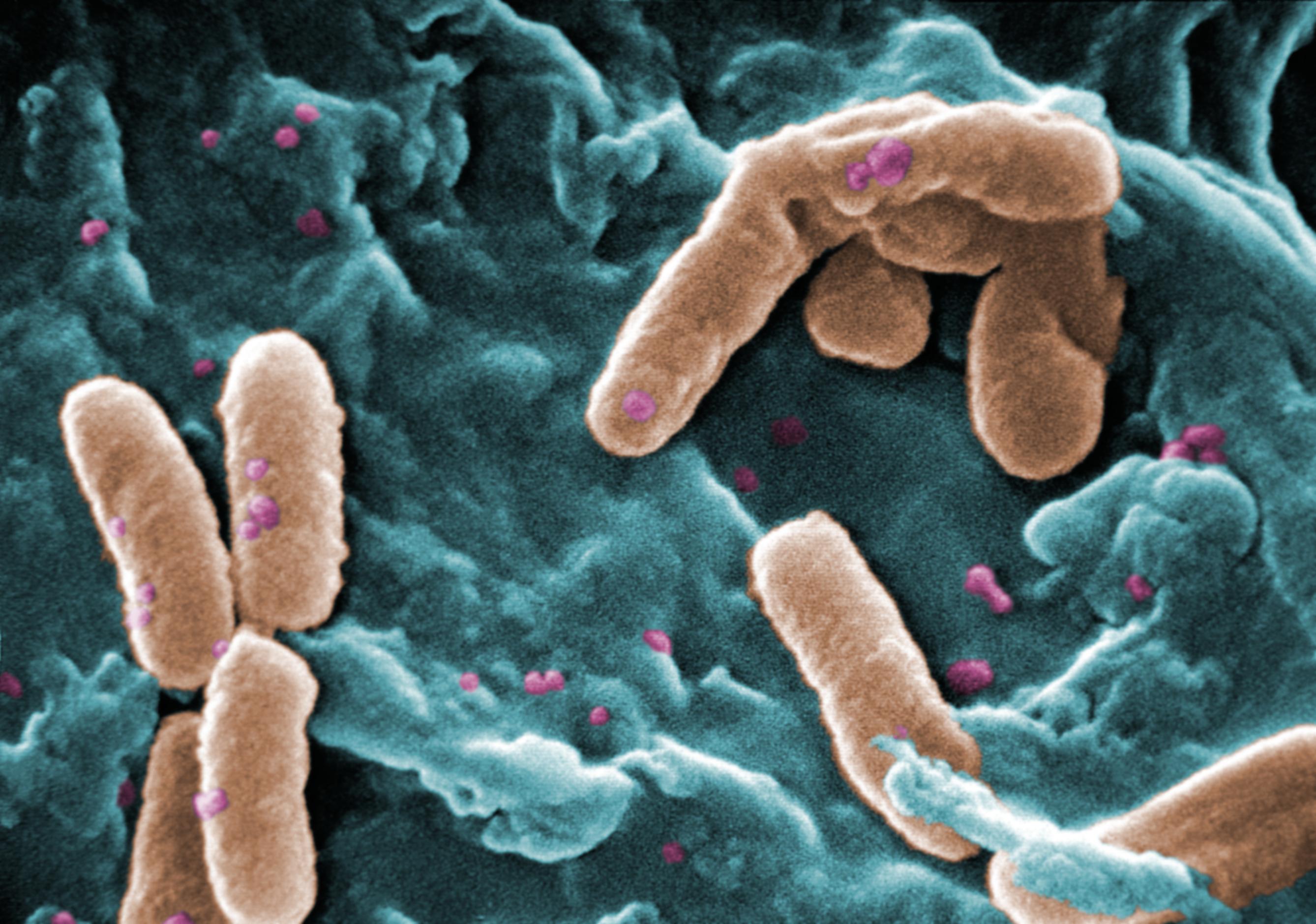
Image source: Wikipedia/Wikimedia
| Ecology, Host, and Life Cycle | |
|---|---|
| Oxygen requirements | Not Available |
| Optimal temperature | Not Available |
| Temperature range | Not Available |
| Habitat | Not Available |
| Biotic relationship | Not Available |
| Host(s) | Not Available |
| Cell arrangement | Not Available |
| Sporulation | Not Available |
| Energy source | Not Available |
| Pathogenicity | Not Available |
Gene Summary
Adenine Count
1205655 bp
Thymine Count
1198796 bp
Guanine Count
1810012 bp
Cytosine Count
1818143 bp
Genome Length
6032706 bp
Protein-coding Genes
5265 genes
Non-Coding Genes
220 genes
# of Chromosomes/Plasmids
1
Genes
| Name | Locus Tag | UniProt ID | Strand Orientation | Gene Start/End | Protein Molecular Weight |
|---|---|---|---|---|---|
| hypothetical protein | SAMN04490181_2616 | Not Available | Negative | 2829108 - 2830301 | 43342.8 |
| abc-2 type transport system atp-binding protein | SAMN04490181_2617 | Q8N139 | Positive | 2830611 - 2831537 | 33515.0 |
| abc-2 type transport system permease protein | SAMN04490181_2618 | Not Available | Positive | 2831534 - 2832259 | 27031.5 |
| abc-type uncharacterized transport system involved in gliding motility, auxiliary component | SAMN04490181_2619 | Not Available | Positive | 2832274 - 2834067 | 65863.5 |
| hypothetical protein | SAMN04490181_2620 | Not Available | Negative | 2834078 - 2834386 | 11402.9 |
| putative oxidoreductase | SAMN04490181_2621 | P96694 | Negative | 2834634 - 2835068 | 14758.4 |
| membrane-bound lytic murein transglycosylase mltf | SAMN04490181_2622 | A8ZWR8 | Negative | 2835171 - 2836592 | 53026.3 |
| tatd dnase family protein | SAMN04490181_2623 | A8G8C4 | Positive | 2836828 - 2837634 | 30244.8 |
| methyl-accepting chemotaxis protein | SAMN04490181_2624 | Q9Z429 | Positive | 2837731 - 2839212 | 52745.8 |
| protein of unknown function | SAMN04490181_2625 | Not Available | Positive | 2839358 - 2839720 | 13634.6 |
Pathways
0 pathways
No pathways found
No metabolic pathways have been associated with this bacterium yet.
Health Effects
No health effects information available for this bacterium.


