Kingdom
Pseudomonadati
Phylum
Pseudomonadota
Class
Gammaproteobacteria
Order
Vibrionales
Family
Vibrionaceae
Genus
Photobacterium
Description
Taxonomy
| Kingdom | Pseudomonadati |
|---|---|
| Phylum | Pseudomonadota |
| Class | Gammaproteobacteria |
| Order | Vibrionales |
| Family | Vibrionaceae |
| Genus | Photobacterium |
| Species | Photobacterium ganghwense |
| Strain | C2.2 |
Profile
| Physiology | |
|---|---|
| Gram staining properties | Not Available |
| Shape | Not Available |
| Mobility | Not Available |
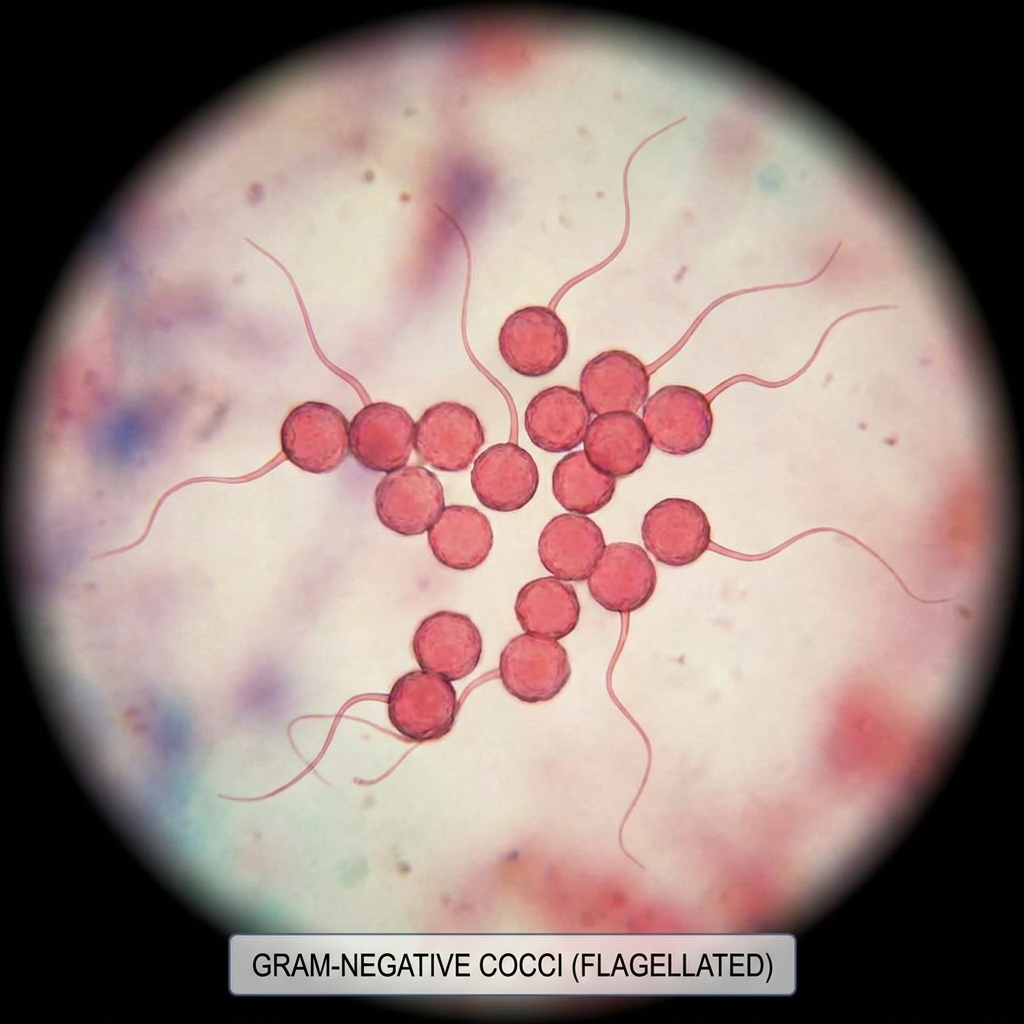
| Flagellar presence | Yes |
| Number of membranes | Not Available |
| Ecology, Host, and Life Cycle | |
|---|---|
| Oxygen requirements | Not Available |
| Optimal temperature | Not Available |
| Temperature range | Not Available |
| Habitat | Not Available |
| Biotic relationship | Not Available |
| Host(s) | Not Available |
| Cell arrangement | Not Available |
| Sporulation | Not Available |
| Energy source | Not Available |
| Pathogenicity | Not Available |
Gene Summary
Adenine Count
850235 bp
Thymine Count
853956 bp
Guanine Count
903562 bp
Cytosine Count
907631 bp
Genome Length
3515384 bp
Protein-coding Genes
2914 genes
Non-Coding Genes
277 genes
# of Chromosomes/Plasmids
3
Genes
| Name | Locus Tag | UniProt ID | Strand Orientation | Gene Start/End | Protein Molecular Weight |
|---|---|---|---|---|---|
| transcriptional regulator | FH974_04470 | Not Available | Positive | 907321 - 907833 | 18666.7 |
| marr family transcriptional regulator | FH974_04475 | O31564 | Negative | 908015 - 908431 | 15693.0 |
| cdf family co(ii)/ni(ii) efflux transporter dmef | FH974_04480 | Q8ZGY6 | Negative | 908446 - 909396 | 35401.6 |
| cuep family metal-binding protein | FH974_04485 | Not Available | Negative | 909724 - 910257 | 19736.2 |
| cupredoxin family protein | FH974_04490 | Not Available | Negative | 910272 - 910796 | 18876.7 |
| efflux rnd transporter permease subunit | FH974_04495 | P38054 | Negative | 910844 - 913972 | 114252.0 |
| efflux rnd transporter periplasmic adaptor subunit | FH974_04500 | Q8CWA2 | Negative | 913969 - 915504 | 55214.8 |
| tolc family protein | FH974_04505 | Not Available | Negative | 915513 - 916841 | 49690.8 |
| hypothetical protein | FH974_04510 | Not Available | Negative | 916940 - 917497 | 19477.0 |
| pleiotropic regulatory protein rsms | FH974_04515 | P45807 | Negative | 917636 - 917812 | 6343.57 |
Pathways
0 pathways
No pathways found
No metabolic pathways have been associated with this bacterium yet.
Health Effects
No health effects information available for this bacterium.