Kingdom
Pseudomonadati
Phylum
Pseudomonadota
Class
Gammaproteobacteria
Order
Vibrionales
Family
Vibrionaceae
Genus
Photobacterium
Description
Taxonomy
| Kingdom | Pseudomonadati |
|---|---|
| Phylum | Pseudomonadota |
| Class | Gammaproteobacteria |
| Order | Vibrionales |
| Family | Vibrionaceae |
| Genus | Photobacterium |
| Species | Photobacterium ganghwense |
| Strain | C2.2 |
Profile
| Physiology | |
|---|---|
| Gram staining properties | Not Available |
| Shape | Not Available |
| Mobility | Not Available |
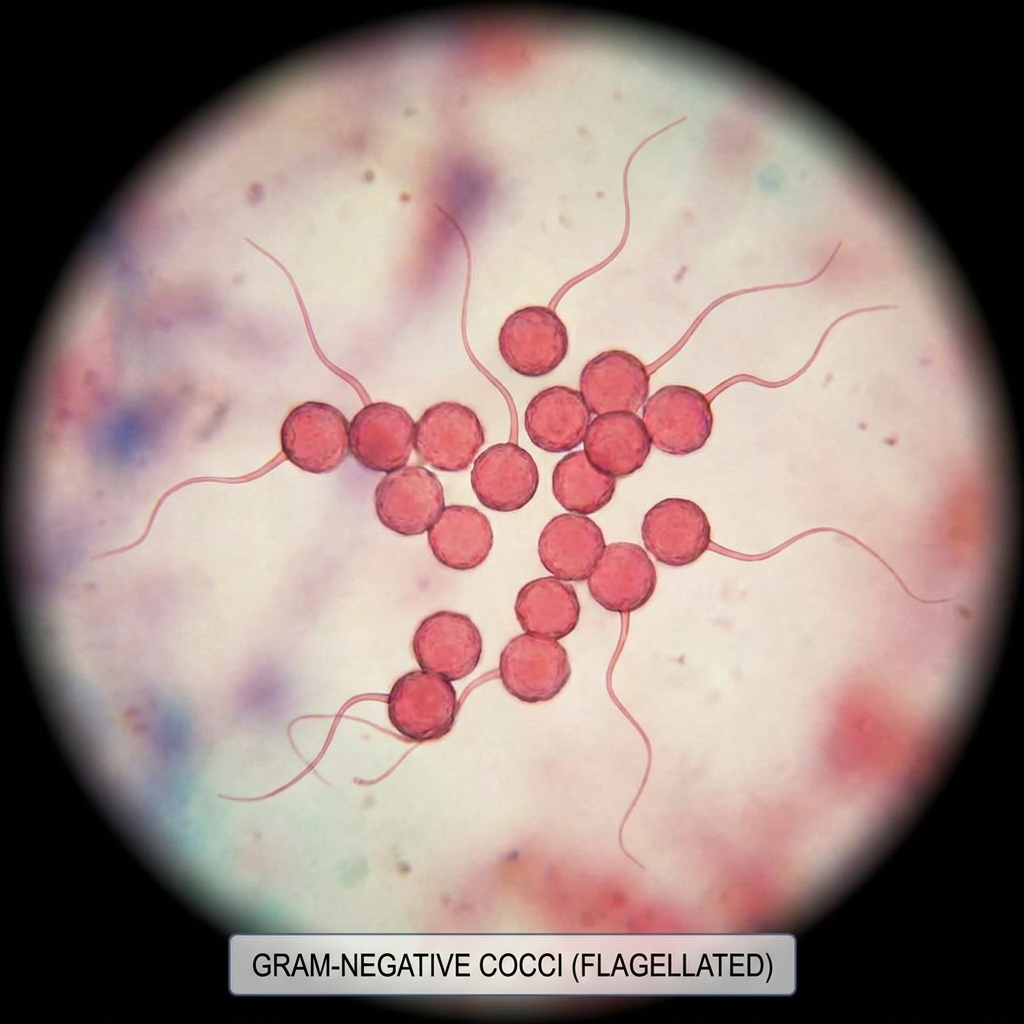
| Flagellar presence | Yes |
| Number of membranes | Not Available |
| Ecology, Host, and Life Cycle | |
|---|---|
| Oxygen requirements | Not Available |
| Optimal temperature | Not Available |
| Temperature range | Not Available |
| Habitat | Not Available |
| Biotic relationship | Not Available |
| Host(s) | Not Available |
| Cell arrangement | Not Available |
| Sporulation | Not Available |
| Energy source | Not Available |
| Pathogenicity | Not Available |
Gene Summary
Adenine Count
850235 bp
Thymine Count
853956 bp
Guanine Count
903562 bp
Cytosine Count
907631 bp
Genome Length
3515384 bp
Protein-coding Genes
2914 genes
Non-Coding Genes
277 genes
# of Chromosomes/Plasmids
3
Genes
| Name | Locus Tag | UniProt ID | Strand Orientation | Gene Start/End | Protein Molecular Weight |
|---|---|---|---|---|---|
| carbohydrate abc transporter substrate-binding protein | FH974_07720 | O06875 | Positive | 1662515 - 1663774 | 45957.1 |
| peptidase t | FH974_07725 | Q6LR24 | Positive | 1663947 - 1665179 | 44930.5 |
| duf2384 domain-containing protein | FH974_07730 | P55587 | Positive | 1665670 - 1666074 | 15224.3 |
| res family nad+ phosphorylase | FH974_07735 | P55588 | Positive | 1666102 - 1666770 | 25246.7 |
| carboxypeptidase m32 | FH974_07740 | P42663 | Negative | 1666934 - 1668418 | 56281.0 |
| d-alanyl-d-alanine carboxypeptidase | FH974_07745 | P0AEB4 | Positive | 1668731 - 1669900 | 42485.0 |
| trna 2-thiocytidine(32) synthetase ttca | FH974_07750 | A5F888 | Negative | 1670039 - 1670968 | 35008.1 |
| universal stress protein uspe | FH974_07755 | Q8ZE81 | Negative | 1671264 - 1672211 | 35290.2 |
| fnr family transcription factor | FH974_07760 | A5F890 | Negative | 1672483 - 1673235 | 27978.1 |
| sulfite exporter taue/safe family protein | FH974_07765 | Not Available | Negative | 1673311 - 1673988 | 23992.2 |
Pathways
0 pathways
No pathways found
No metabolic pathways have been associated with this bacterium yet.
Health Effects
No health effects information available for this bacterium.