Kingdom
Bacillati
Phylum
Bacillota
Class
Negativicutes
Order
Veillonellales
Family
Veillonellaceae
Genus
Veillonella
Description
Taxonomy
| Kingdom | Bacillati |
|---|---|
| Phylum | Bacillota |
| Class | Negativicutes |
| Order | Veillonellales |
| Family | Veillonellaceae |
| Genus | Veillonella |
| Species | Veillonella nakazawae |
| Strain | No strain |
Profile
| Physiology | |
|---|---|
| Gram staining properties | Not Available |
| Shape | Not Available |
| Mobility | Not Available |
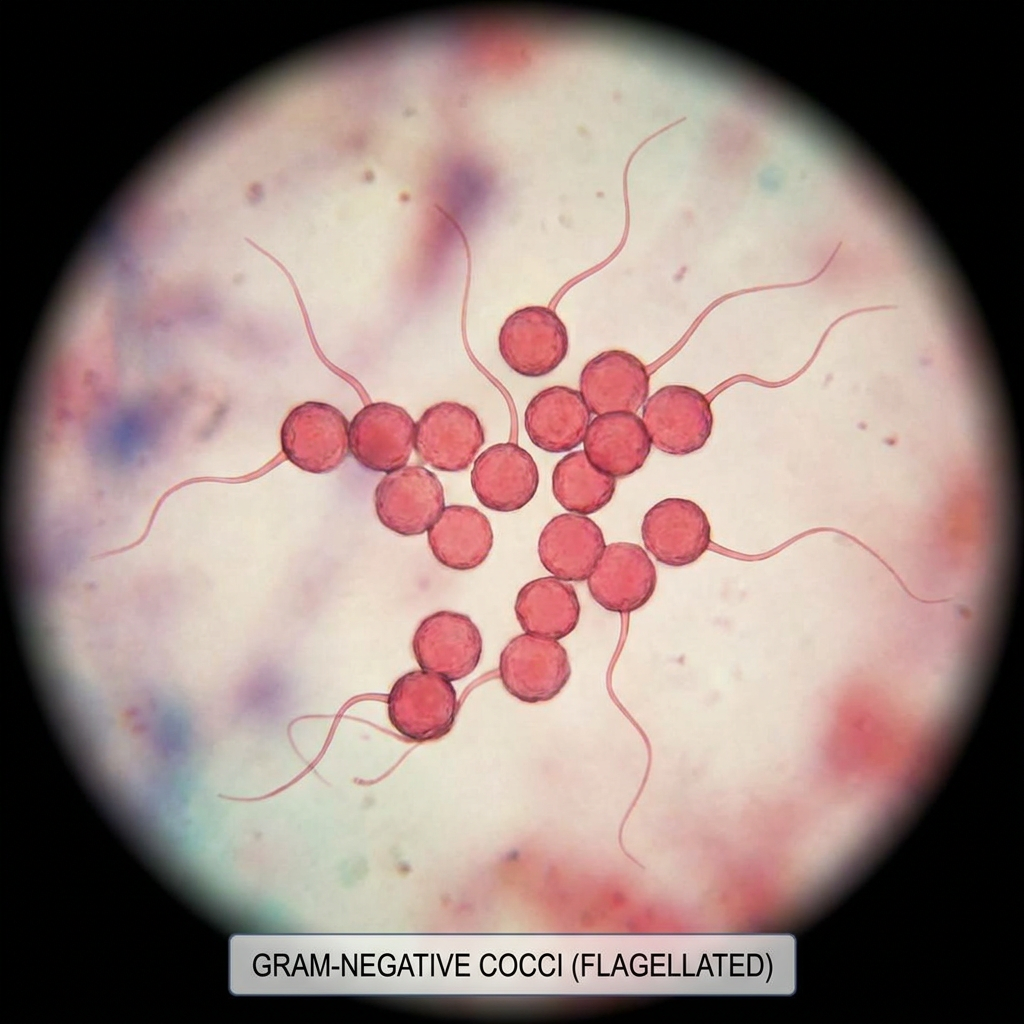
| Flagellar presence | Yes |
| Number of membranes | Not Available |
| Ecology, Host, and Life Cycle | |
|---|---|
| Oxygen requirements | Not Available |
| Optimal temperature | Not Available |
| Temperature range | Not Available |
| Habitat | Not Available |
| Biotic relationship | Not Available |
| Host(s) | Not Available |
| Cell arrangement | Not Available |
| Sporulation | Not Available |
| Energy source | Not Available |
| Pathogenicity | Not Available |
Gene Summary
Adenine Count
643382 bp
Thymine Count
643835 bp
Guanine Count
403743 bp
Cytosine Count
406858 bp
Genome Length
2097818 bp
Protein-coding Genes
1925 genes
Non-Coding Genes
61 genes
# of Chromosomes/Plasmids
1
Genes
| Name | Locus Tag | UniProt ID | Strand Orientation | Gene Start/End | Protein Molecular Weight |
|---|---|---|---|---|---|
| hypothetical protein | VEIT17_00980 | Q57066 | Positive | 139112 - 139681 | 22032.7 |
| putative transposase, is861 | VEIT17_00990 | P19769 | Positive | 139705 - 140499 | 31332.7 |
| hypothetical protein | VEIT17_01000 | Q01969 | Positive | 141203 - 143170 | 67938.0 |
| putative n-acetyltransferase ytmi | VEIT17_01010 | O34350 | Positive | 143517 - 144002 | 18706.4 |
| membrane protein | VEIT17_01020 | Not Available | Positive | 144235 - 144984 | 26911.9 |
| membrane protein | VEIT17_01030 | Not Available | Positive | 144986 - 145915 | 33444.6 |
| pyrrolidone-carboxylate peptidase | VEIT17_01040 | B9J587 | Positive | 146053 - 146706 | 23608.0 |
| hypothetical protein | VEIT17_01050 | Q5SH37 | Positive | 146739 - 148067 | 49220.9 |
| hypothetical protein | VEIT17_01060 | Not Available | Positive | 148303 - 148701 | 15251.2 |
| ribose import binding protein rbsb | VEIT17_01070 | P36949 | Negative | 148756 - 149658 | 30894.3 |
Pathways
0 pathways
No pathways found
No metabolic pathways have been associated with this bacterium yet.
Health Effects
No health effects information available for this bacterium.