Kingdom
Pseudomonadati
Phylum
Pseudomonadota
Class
Alphaproteobacteria
Order
Hyphomicrobiales
Family
Rhizobiaceae
Genus
Sinorhizobium
Description
Taxonomy
| Kingdom | Pseudomonadati |
|---|---|
| Phylum | Pseudomonadota |
| Class | Alphaproteobacteria |
| Order | Hyphomicrobiales |
| Family | Rhizobiaceae |
| Genus | Sinorhizobium |
| Species | Sinorhizobium meliloti |
| Strain | strain USDA1025 |
Profile
| Physiology | |
|---|---|
| Gram staining properties | Negative |
| Shape | Rod |
| Mobility | Yes |
| Flagellar presence | Yes |
| Number of membranes | Not Available |
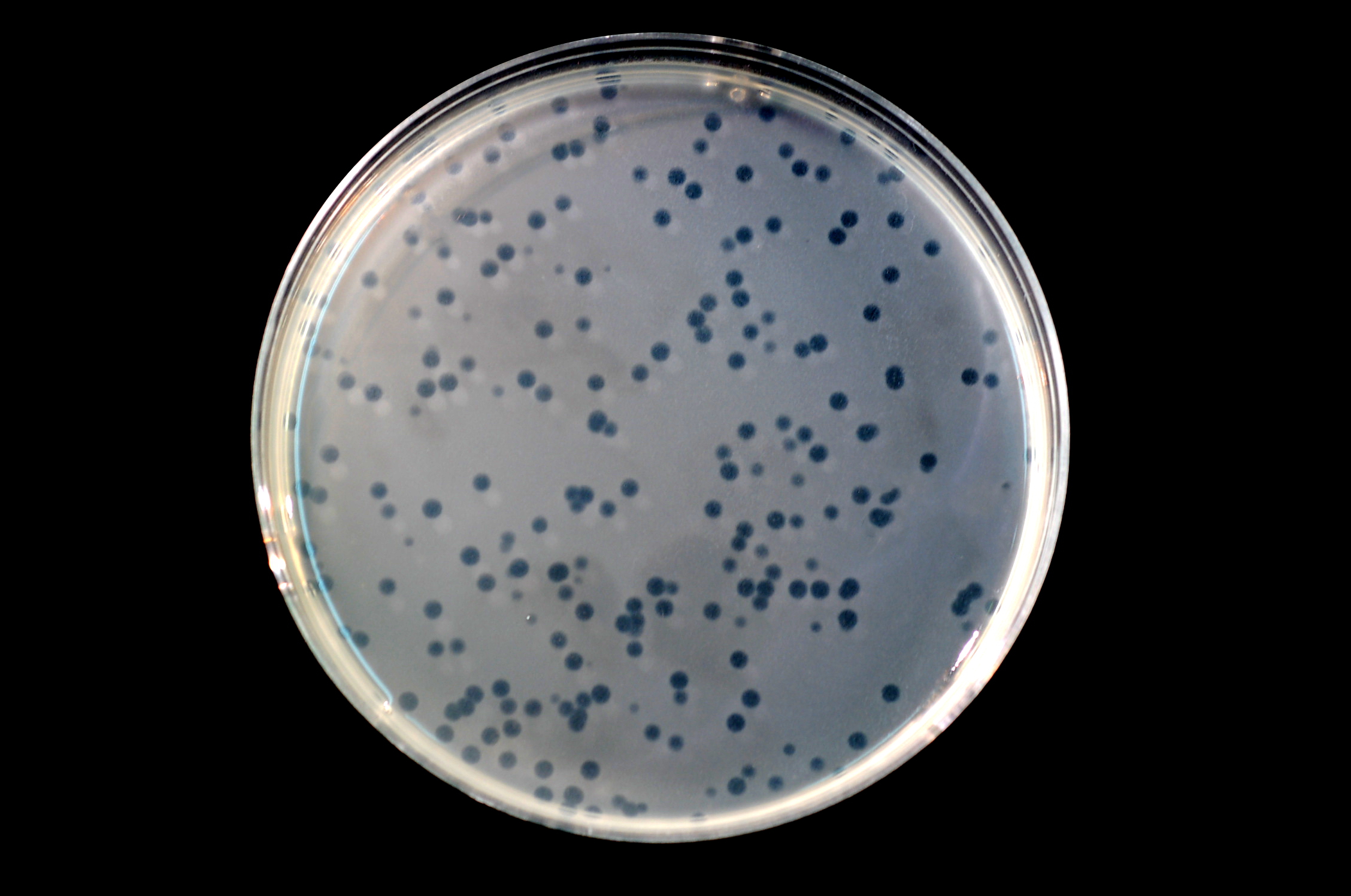
Image source: Wikipedia/Wikimedia
| Ecology, Host, and Life Cycle | |
|---|---|
| Oxygen requirements | Aerobe |
| Optimal temperature | 25 |
| Temperature range | Mesophilic |
| Habitat | Multiple |
| Biotic relationship | Not Available |
| Host(s) | Medicago truncatula, Cicer arietinum, Indigofera sp. |
| Cell arrangement | Not Available |
| Sporulation | Not Available |
| Energy source | Not Available |
| Pathogenicity | Not Available |
Gene Summary
Adenine Count
1191755 bp
Thymine Count
1183393 bp
Guanine Count
1957088 bp
Cytosine Count
1967596 bp
Genome Length
6307690 bp
Protein-coding Genes
5762 genes
Non-Coding Genes
131 genes
# of Chromosomes/Plasmids
1
Genes
| Name | Locus Tag | UniProt ID | Strand Orientation | Gene Start/End | Protein Molecular Weight |
|---|---|---|---|---|---|
| glycine c-acetyltransferase | CN070_12430 | Not Available | Negative | 2532246 - 2533433 | 42812.2 |
| dna helicase recq | CN070_12435 | Not Available | Negative | 2533573 - 2535483 | 70155.8 |
| dna primase | CN070_12440 | Not Available | Negative | 2535529 - 2537532 | 74201.3 |
| gatb/yqey domain-containing protein | CN070_12445 | Not Available | Negative | 2537761 - 2538210 | 16742.3 |
| carbamoyl-phosphate synthase small subunit | CN070_12450 | Not Available | Positive | 2538537 - 2539742 | 43064.3 |
| lysr family transcriptional regulator | CN070_12455 | Not Available | Negative | 2539780 - 2540670 | 32198.0 |
| sdr family oxidoreductase | CN070_12460 | Not Available | Positive | 2540783 - 2541544 | 26430.6 |
| nad(p)-dependent oxidoreductase | CN070_12465 | Not Available | Positive | 2541569 - 2542435 | 29941.2 |
| pyridoxal phosphate-dependent aminotransferase | CN070_12470 | Not Available | Negative | 2542555 - 2543757 | 43519.0 |
| hypothetical protein | CN070_12475 | Not Available | Positive | 2544156 - 2544353 | 7031.44 |
Pathways
1225 pathways
Health Effects
No health effects information available for this bacterium.