Kingdom
Pseudomonadati
Phylum
Pseudomonadota
Class
Alphaproteobacteria
Order
Hyphomicrobiales
Family
Rhizobiaceae
Genus
Sinorhizobium
Description
Taxonomy
| Kingdom | Pseudomonadati |
|---|---|
| Phylum | Pseudomonadota |
| Class | Alphaproteobacteria |
| Order | Hyphomicrobiales |
| Family | Rhizobiaceae |
| Genus | Sinorhizobium |
| Species | Sinorhizobium meliloti |
| Strain | strain USDA1025 |
Profile
| Physiology | |
|---|---|
| Gram staining properties | Negative |
| Shape | Rod |
| Mobility | Yes |
| Flagellar presence | Yes |
| Number of membranes | Not Available |
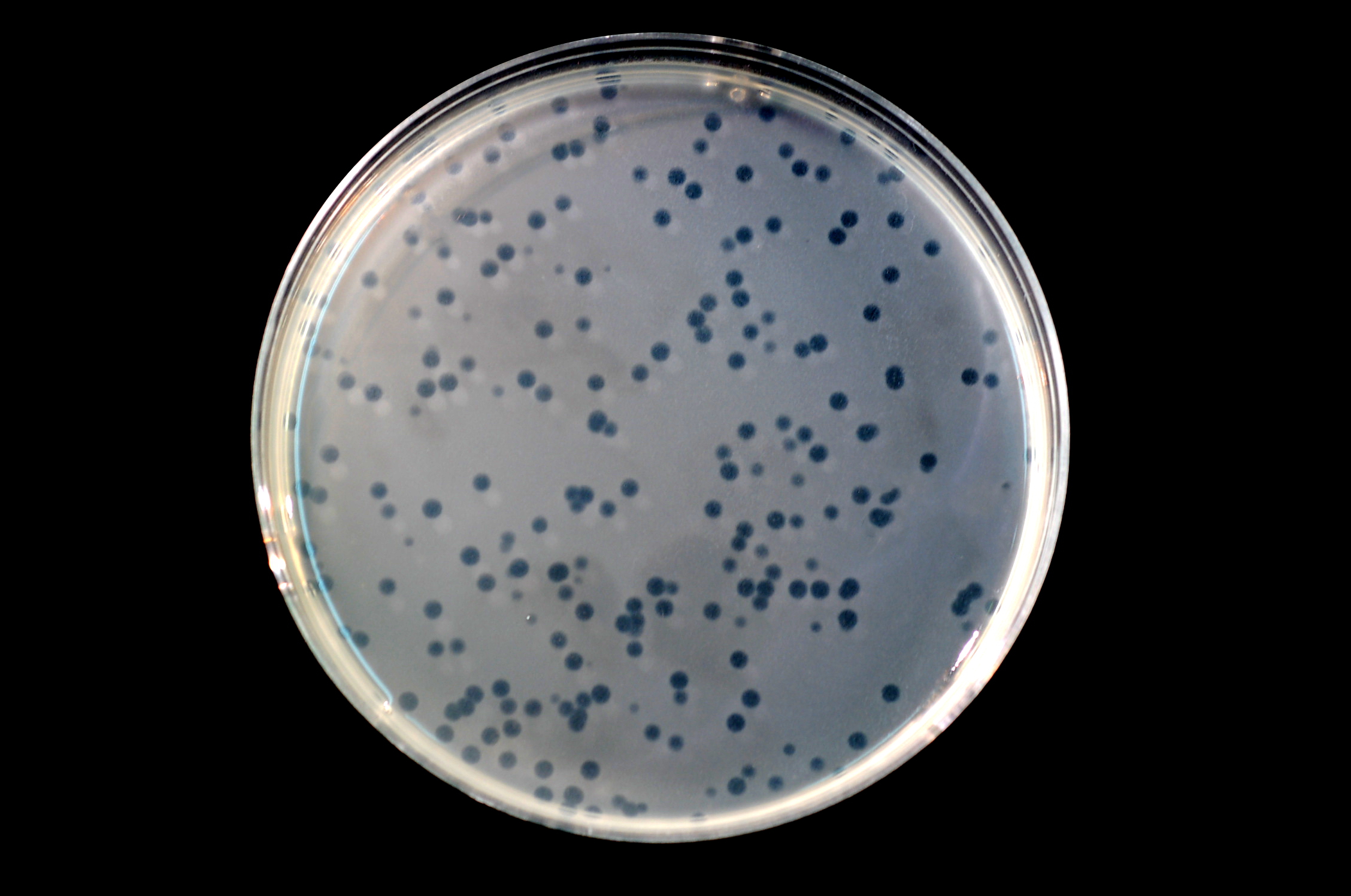
Image source: Wikipedia/Wikimedia
| Ecology, Host, and Life Cycle | |
|---|---|
| Oxygen requirements | Aerobe |
| Optimal temperature | 25 |
| Temperature range | Mesophilic |
| Habitat | Multiple |
| Biotic relationship | Not Available |
| Host(s) | Medicago truncatula, Cicer arietinum, Indigofera sp. |
| Cell arrangement | Not Available |
| Sporulation | Not Available |
| Energy source | Not Available |
| Pathogenicity | Not Available |
Gene Summary
Adenine Count
1191755 bp
Thymine Count
1183393 bp
Guanine Count
1957088 bp
Cytosine Count
1967596 bp
Genome Length
6307690 bp
Protein-coding Genes
5762 genes
Non-Coding Genes
131 genes
# of Chromosomes/Plasmids
1
Genes
| Name | Locus Tag | UniProt ID | Strand Orientation | Gene Start/End | Protein Molecular Weight |
|---|---|---|---|---|---|
| homoserine dehydrogenase | CN070_12120 | Not Available | Negative | 2471315 - 2472637 | 46672.1 |
| ll-diaminopimelate aminotransferase | CN070_12125 | Not Available | Negative | 2472718 - 2473935 | 44578.6 |
| shoct domain-containing protein | CN070_12130 | Not Available | Negative | 2474059 - 2474493 | 15592.8 |
| class i poly(r)-hydroxyalkanoic acid synthase | CN070_12135 | Not Available | Positive | 2474576 - 2476411 | 68023.4 |
| dna/rna nuclease sfsa | CN070_12140 | Not Available | Positive | 2476432 - 2477151 | 26302.7 |
| type i methionyl aminopeptidase | CN070_12145 | Not Available | Positive | 2477180 - 2478019 | 30295.1 |
| jab domain-containing protein | CN070_12150 | Not Available | Positive | 2478016 - 2478804 | 29274.2 |
| si-specific nad(p)(+) transhydrogenase | CN070_12155 | Not Available | Positive | 2478946 - 2480349 | 51431.2 |
| fe-s cluster assembly scaffold sufa | CN070_12160 | Not Available | Negative | 2480432 - 2480824 | 13597.1 |
| suf system fe-s cluster assembly protein | CN070_12165 | Not Available | Negative | 2480919 - 2481299 | 13789.4 |
Pathways
1225 pathways
Health Effects
No health effects information available for this bacterium.