Kingdom
Pseudomonadati
Phylum
Pseudomonadota
Class
Alphaproteobacteria
Order
Hyphomicrobiales
Family
Rhizobiaceae
Genus
Sinorhizobium
Description
Taxonomy
| Kingdom | Pseudomonadati |
|---|---|
| Phylum | Pseudomonadota |
| Class | Alphaproteobacteria |
| Order | Hyphomicrobiales |
| Family | Rhizobiaceae |
| Genus | Sinorhizobium |
| Species | Sinorhizobium meliloti |
| Strain | strain USDA1025 |
Profile
| Physiology | |
|---|---|
| Gram staining properties | Negative |
| Shape | Rod |
| Mobility | Yes |
| Flagellar presence | Yes |
| Number of membranes | Not Available |
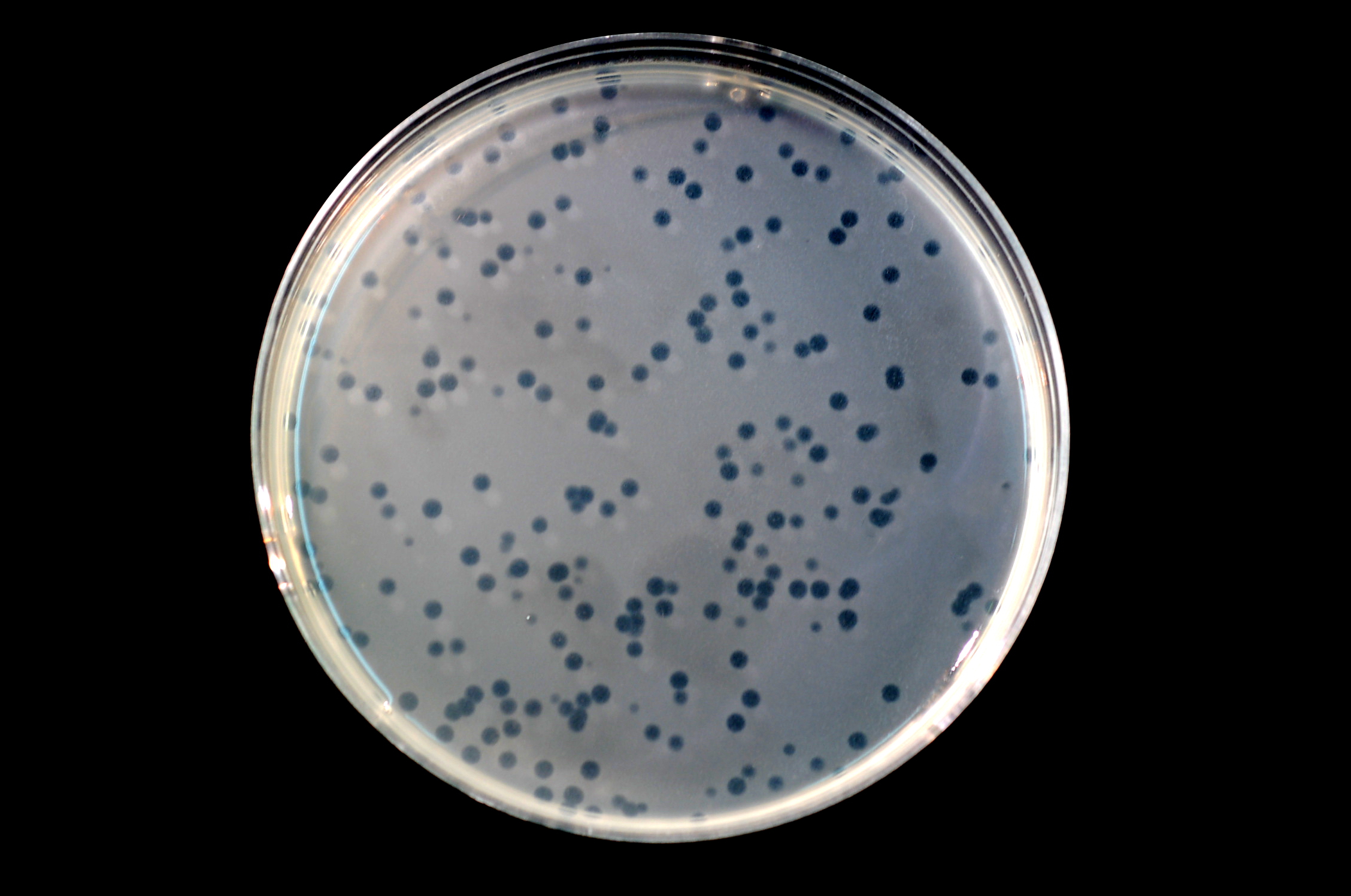
Image source: Wikipedia/Wikimedia
| Ecology, Host, and Life Cycle | |
|---|---|
| Oxygen requirements | Aerobe |
| Optimal temperature | 25 |
| Temperature range | Mesophilic |
| Habitat | Multiple |
| Biotic relationship | Not Available |
| Host(s) | Medicago truncatula, Cicer arietinum, Indigofera sp. |
| Cell arrangement | Not Available |
| Sporulation | Not Available |
| Energy source | Not Available |
| Pathogenicity | Not Available |
Gene Summary
Adenine Count
1191755 bp
Thymine Count
1183393 bp
Guanine Count
1957088 bp
Cytosine Count
1967596 bp
Genome Length
6307690 bp
Protein-coding Genes
5762 genes
Non-Coding Genes
131 genes
# of Chromosomes/Plasmids
1
Genes
| Name | Locus Tag | UniProt ID | Strand Orientation | Gene Start/End | Protein Molecular Weight |
|---|---|---|---|---|---|
| transcription-repair coupling factor | CN070_11755 | Not Available | Negative | 2405891 - 2409406 | 128417.0 |
| succinate dehydrogenase assembly factor 2 family protein | CN070_11760 | Not Available | Negative | 2409409 - 2409714 | 11834.0 |
| atp-dependent dna helicase recg | CN070_11765 | Not Available | Positive | 2409831 - 2411936 | 77085.2 |
| duf502 domain-containing protein | CN070_11770 | Not Available | Negative | 2411955 - 2412647 | 25214.0 |
| n-acetyltransferase | CN070_11775 | Not Available | Negative | 2412666 - 2413163 | 17594.0 |
| glutamine--fructose-6-phosphate transaminase (isomerizing) | CN070_11780 | Not Available | Negative | 2413160 - 2414986 | 66049.5 |
| bifunctional udp-n-acetylglucosamine diphosphorylase/glucosamine-1-phosphate n-acetyltransferase glmu | CN070_11785 | Not Available | Negative | 2415230 - 2416600 | 47778.2 |
| na/pi cotransporter family protein | CN070_11790 | Not Available | Negative | 2416754 - 2418400 | 58651.4 |
| peptidylprolyl isomerase | CN070_11795 | Not Available | Positive | 2418752 - 2420644 | 67841.9 |
| anthranilate phosphoribosyltransferase | CN070_11800 | Not Available | Positive | 2420663 - 2421676 | 34500.5 |
Pathways
1225 pathways
Health Effects
No health effects information available for this bacterium.