Kingdom
Pseudomonadati
Phylum
Pseudomonadota
Class
Alphaproteobacteria
Order
Hyphomicrobiales
Family
Rhizobiaceae
Genus
Sinorhizobium
Description
Taxonomy
| Kingdom | Pseudomonadati |
|---|---|
| Phylum | Pseudomonadota |
| Class | Alphaproteobacteria |
| Order | Hyphomicrobiales |
| Family | Rhizobiaceae |
| Genus | Sinorhizobium |
| Species | Sinorhizobium meliloti |
| Strain | strain USDA1025 |
Profile
| Physiology | |
|---|---|
| Gram staining properties | Negative |
| Shape | Rod |
| Mobility | Yes |
| Flagellar presence | Yes |
| Number of membranes | Not Available |
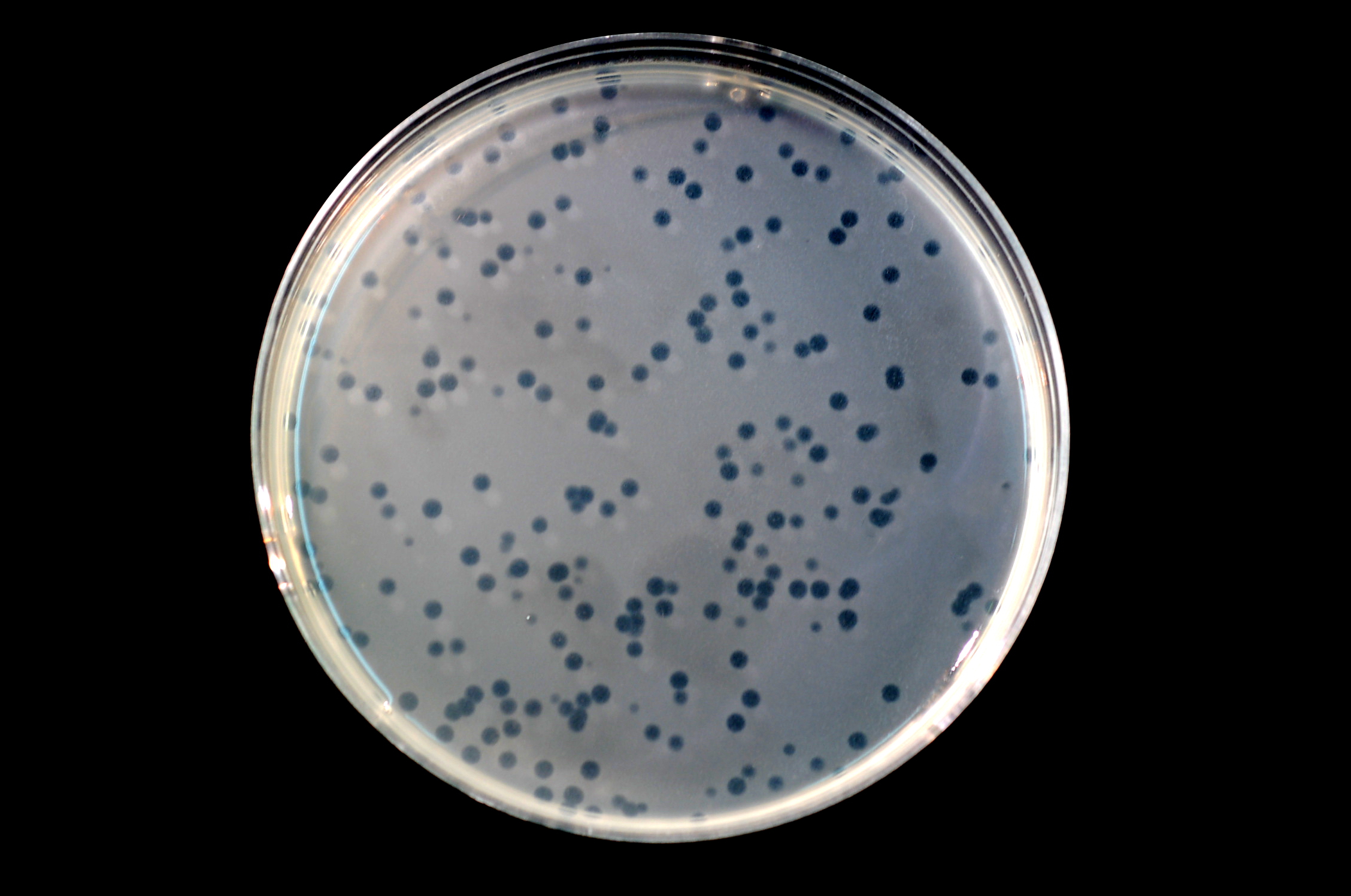
Image source: Wikipedia/Wikimedia
| Ecology, Host, and Life Cycle | |
|---|---|
| Oxygen requirements | Aerobe |
| Optimal temperature | 25 |
| Temperature range | Mesophilic |
| Habitat | Multiple |
| Biotic relationship | Not Available |
| Host(s) | Medicago truncatula, Cicer arietinum, Indigofera sp. |
| Cell arrangement | Not Available |
| Sporulation | Not Available |
| Energy source | Not Available |
| Pathogenicity | Not Available |
Gene Summary
Adenine Count
1191755 bp
Thymine Count
1183393 bp
Guanine Count
1957088 bp
Cytosine Count
1967596 bp
Genome Length
6307690 bp
Protein-coding Genes
5762 genes
Non-Coding Genes
131 genes
# of Chromosomes/Plasmids
1
Genes
| Name | Locus Tag | UniProt ID | Strand Orientation | Gene Start/End | Protein Molecular Weight |
|---|---|---|---|---|---|
| heat shock protein hspq | CN070_11705 | Not Available | Positive | 2396379 - 2396708 | 12956.9 |
| invasion associated locus b family protein | CN070_11710 | Not Available | Negative | 2396874 - 2397503 | 22517.3 |
| abc transporter substrate-binding protein | CN070_11715 | Not Available | Positive | 2397823 - 2399637 | 68281.3 |
| dsba family protein | CN070_11720 | Not Available | Positive | 2399720 - 2400385 | 23929.5 |
| arac family transcriptional regulator | CN070_11725 | Not Available | Negative | 2400468 - 2401397 | 33998.9 |
| duf1254 domain-containing protein | CN070_11730 | Not Available | Positive | 2401656 - 2403098 | 53009.4 |
| alpha/beta fold hydrolase | CN070_11735 | Not Available | Positive | 2403274 - 2404449 | 42196.1 |
| hypothetical protein | CN070_11740 | Not Available | Positive | 2404626 - 2404802 | 6569.65 |
| exodeoxyribonuclease iii | CN070_11745 | Not Available | Positive | 2404807 - 2405601 | 29863.4 |
| hypothetical protein | CN070_11750 | Not Available | Positive | 2405598 - 2405819 | 8227.55 |
Pathways
1225 pathways
Health Effects
No health effects information available for this bacterium.