Kingdom
Pseudomonadati
Phylum
Pseudomonadota
Class
Alphaproteobacteria
Order
Hyphomicrobiales
Family
Rhizobiaceae
Genus
Sinorhizobium
Description
Taxonomy
| Kingdom | Pseudomonadati |
|---|---|
| Phylum | Pseudomonadota |
| Class | Alphaproteobacteria |
| Order | Hyphomicrobiales |
| Family | Rhizobiaceae |
| Genus | Sinorhizobium |
| Species | Sinorhizobium meliloti |
| Strain | strain USDA1025 |
Profile
| Physiology | |
|---|---|
| Gram staining properties | Negative |
| Shape | Rod |
| Mobility | Yes |
| Flagellar presence | Yes |
| Number of membranes | Not Available |
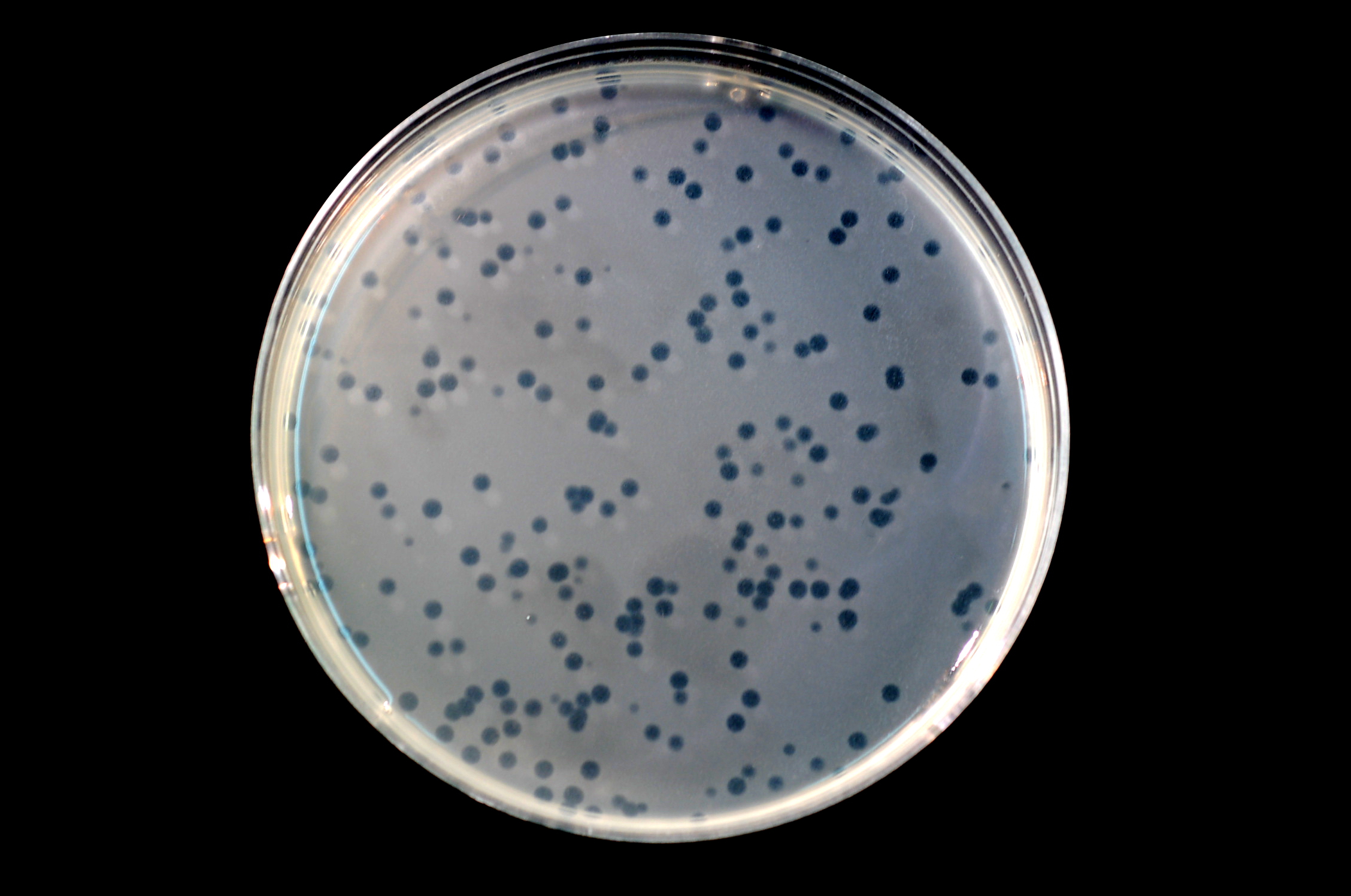
Image source: Wikipedia/Wikimedia
| Ecology, Host, and Life Cycle | |
|---|---|
| Oxygen requirements | Aerobe |
| Optimal temperature | 25 |
| Temperature range | Mesophilic |
| Habitat | Multiple |
| Biotic relationship | Not Available |
| Host(s) | Medicago truncatula, Cicer arietinum, Indigofera sp. |
| Cell arrangement | Not Available |
| Sporulation | Not Available |
| Energy source | Not Available |
| Pathogenicity | Not Available |
Gene Summary
Adenine Count
1191755 bp
Thymine Count
1183393 bp
Guanine Count
1957088 bp
Cytosine Count
1967596 bp
Genome Length
6307690 bp
Protein-coding Genes
5762 genes
Non-Coding Genes
131 genes
# of Chromosomes/Plasmids
1
Genes
| Name | Locus Tag | UniProt ID | Strand Orientation | Gene Start/End | Protein Molecular Weight |
|---|---|---|---|---|---|
| is66 family insertion sequence hypothetical protein | CN070_11370 | Not Available | Negative | 2346976 - 2347059 | 3001.84 |
| transposase | CN070_11375 | Not Available | Negative | 2347056 - 2347526 | 16993.5 |
| mbl fold metallo-hydrolase | CN070_11385 | Not Available | Negative | 2348279 - 2349115 | 30931.1 |
| tatd family deoxyribonuclease | CN070_11390 | Not Available | Negative | 2349117 - 2349896 | 28524.8 |
| methionine--trna ligase | CN070_11395 | Not Available | Negative | 2349910 - 2351460 | 57811.5 |
| dna polymerase iii subunit delta' | CN070_11400 | Not Available | Negative | 2351597 - 2352628 | 36792.3 |
| dtmp kinase | CN070_11405 | Not Available | Negative | 2352625 - 2353329 | 25165.1 |
| d-alanyl-d-alanine carboxypeptidase | CN070_11410 | Not Available | Negative | 2353387 - 2354541 | 41810.4 |
| septal ring lytic transglycosylase rlpa family protein | CN070_11415 | Not Available | Negative | 2354598 - 2355641 | 37472.8 |
| hypothetical protein | CN070_11420 | Not Available | Positive | 2356091 - 2356303 | 7372.85 |
Pathways
1225 pathways
Health Effects
No health effects information available for this bacterium.