Kingdom
Pseudomonadati
Phylum
Pseudomonadota
Class
Alphaproteobacteria
Order
Hyphomicrobiales
Family
Rhizobiaceae
Genus
Sinorhizobium
Description
Taxonomy
| Kingdom | Pseudomonadati |
|---|---|
| Phylum | Pseudomonadota |
| Class | Alphaproteobacteria |
| Order | Hyphomicrobiales |
| Family | Rhizobiaceae |
| Genus | Sinorhizobium |
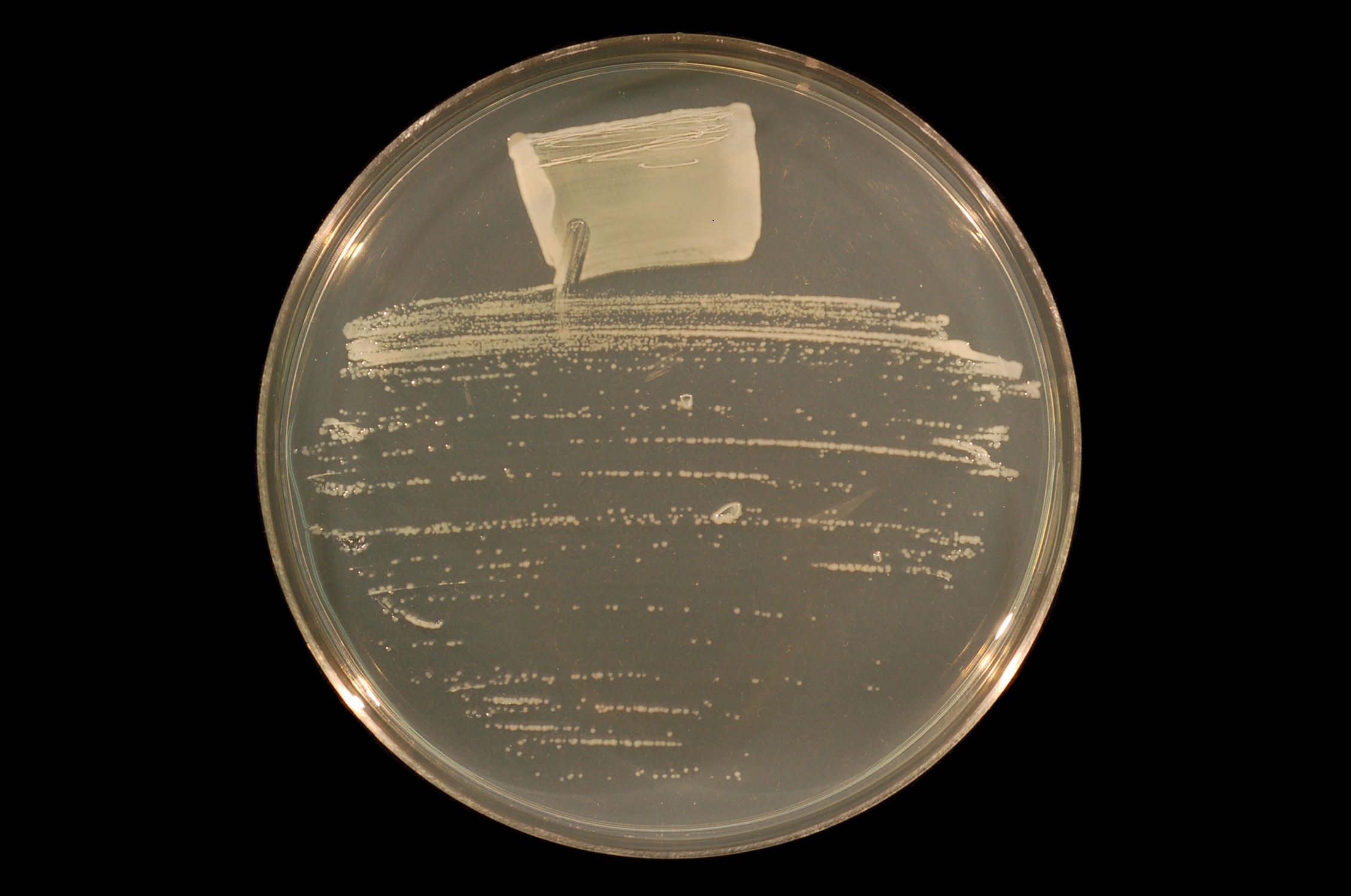
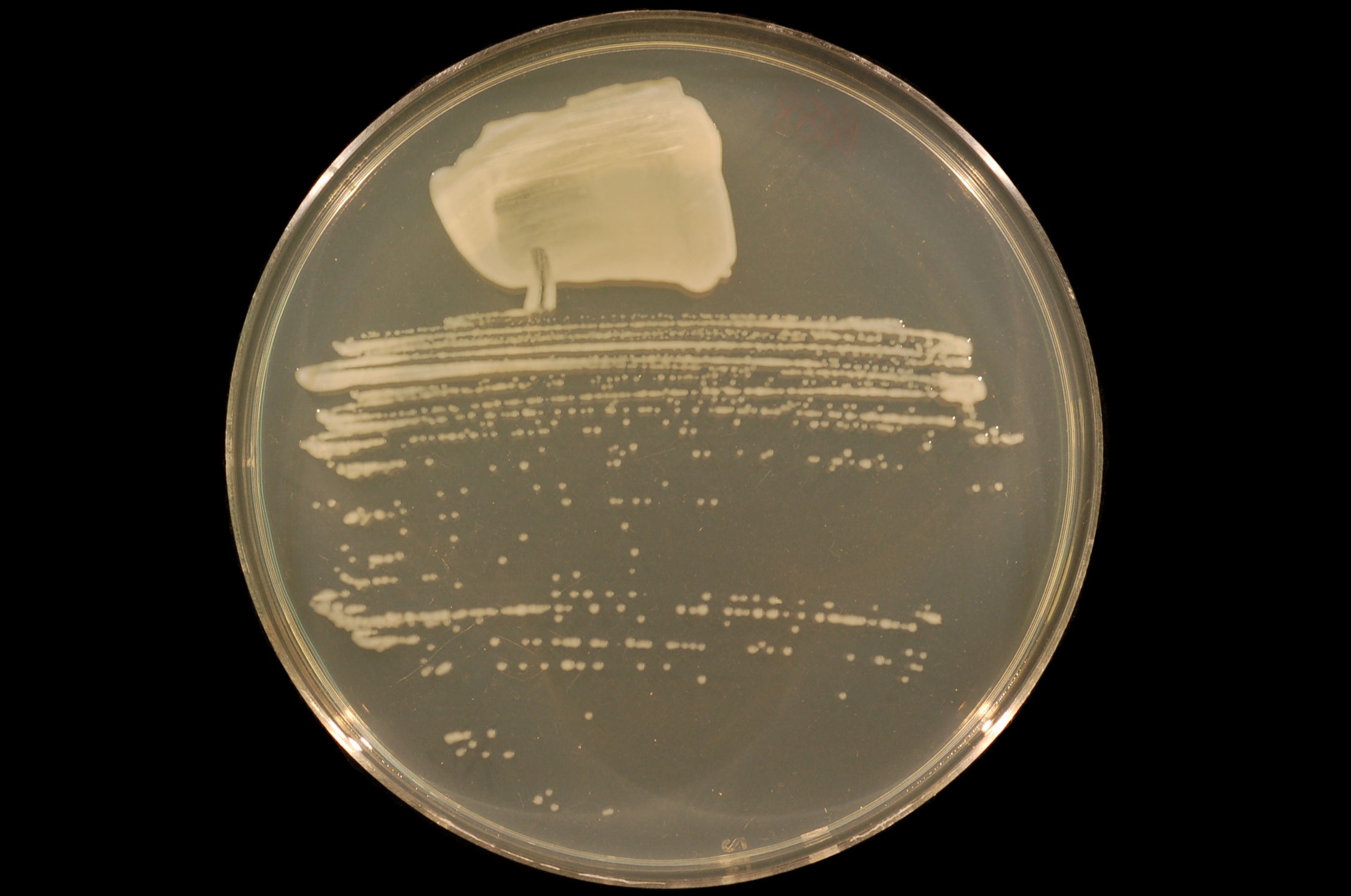
| Species | Sinorhizobium meliloti |
| Strain | strain USDA1025 |
Profile
| Physiology | |
|---|---|
| Gram staining properties | Negative |
| Shape | Rod |
| Mobility | Yes |
| Flagellar presence | Yes |
| Number of membranes | Not Available |
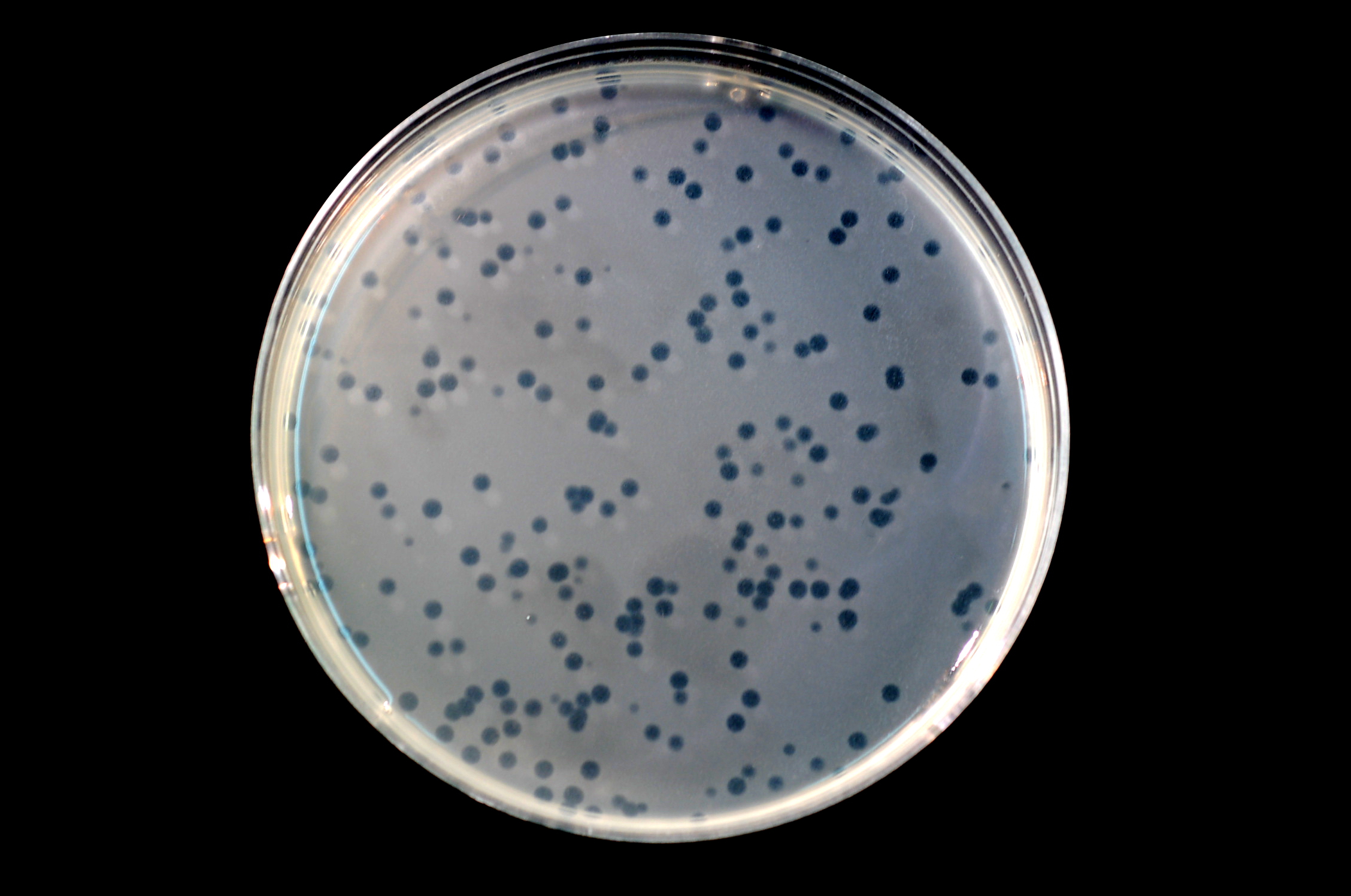
Image source: Wikipedia/Wikimedia
| Ecology, Host, and Life Cycle | |
|---|---|
| Oxygen requirements | Aerobe |
| Optimal temperature | 25 |
| Temperature range | Mesophilic |
| Habitat | Multiple |
| Biotic relationship | Not Available |
| Host(s) | Medicago truncatula, Cicer arietinum, Indigofera sp. |
| Cell arrangement | Not Available |
| Sporulation | Not Available |
| Energy source | Not Available |
| Pathogenicity | Not Available |
Gene Summary
Adenine Count
1191755 bp
Thymine Count
1183393 bp
Guanine Count
1957088 bp
Cytosine Count
1967596 bp
Genome Length
6307690 bp
Protein-coding Genes
5762 genes
Non-Coding Genes
131 genes
# of Chromosomes/Plasmids
1
Genes
| Name | Locus Tag | UniProt ID | Strand Orientation | Gene Start/End | Protein Molecular Weight |
|---|---|---|---|---|---|
| aldehyde dehydrogenase iron-sulfur subunit | CN070_09925 | Not Available | Negative | 2029513 - 2030172 | 22673.8 |
| arac family transcriptional regulator | CN070_09930 | Not Available | Negative | 2030299 - 2031183 | 32291.4 |
| ai-2e family transporter | CN070_09935 | Not Available | Positive | 2031482 - 2032561 | 38647.0 |
| duf1236 domain-containing protein | CN070_09940 | Not Available | Negative | 2032662 - 2033441 | 27801.5 |
| hypothetical protein | CN070_09945 | Not Available | Negative | 2033595 - 2033954 | 12914.3 |
| bon domain-containing protein | CN070_09950 | Not Available | Negative | 2034008 - 2034505 | 17794.2 |
| duf2934 domain-containing protein | CN070_09955 | Not Available | Negative | 2034815 - 2035102 | 10185.8 |
| csbd family protein | CN070_09960 | Not Available | Negative | 2035310 - 2035519 | 8469.75 |
| hypothetical protein | CN070_09965 | Not Available | Positive | 2035734 - 2035904 | 6263.67 |
| sir2 family nad-dependent protein deacetylase | CN070_09970 | Not Available | Positive | 2035964 - 2036782 | 31154.3 |
Pathways
1225 pathways
Health Effects
No health effects information available for this bacterium.