Kingdom
Pseudomonadati
Phylum
Pseudomonadota
Class
Alphaproteobacteria
Order
Hyphomicrobiales
Family
Rhizobiaceae
Genus
Sinorhizobium
Description
Taxonomy
| Kingdom | Pseudomonadati |
|---|---|
| Phylum | Pseudomonadota |
| Class | Alphaproteobacteria |
| Order | Hyphomicrobiales |
| Family | Rhizobiaceae |
| Genus | Sinorhizobium |
| Species | Sinorhizobium meliloti |
| Strain | strain USDA1025 |
Profile
| Physiology | |
|---|---|
| Gram staining properties | Negative |
| Shape | Rod |
| Mobility | Yes |
| Flagellar presence | Yes |
| Number of membranes | Not Available |
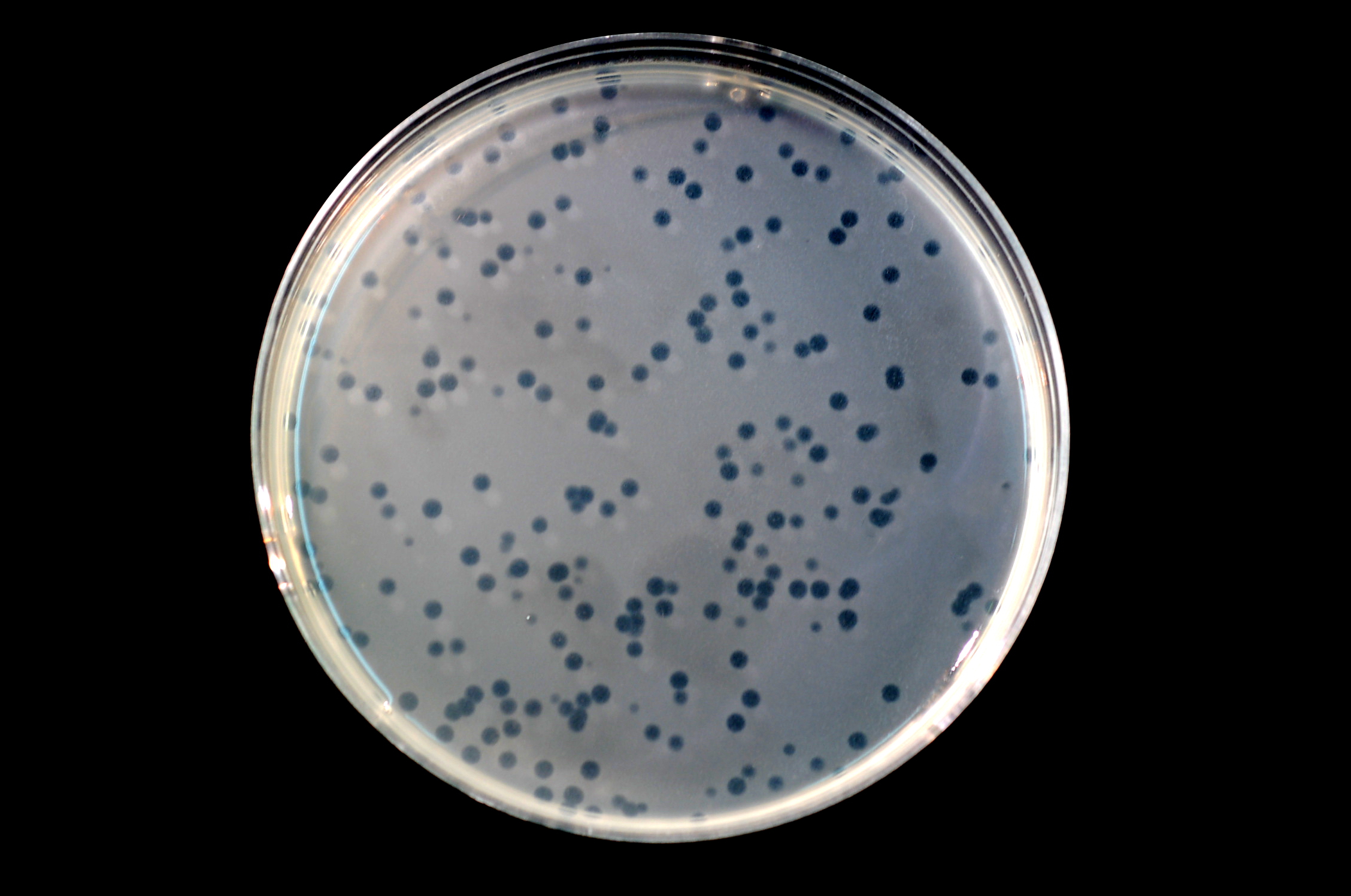
Image source: Wikipedia/Wikimedia
| Ecology, Host, and Life Cycle | |
|---|---|
| Oxygen requirements | Aerobe |
| Optimal temperature | 25 |
| Temperature range | Mesophilic |
| Habitat | Multiple |
| Biotic relationship | Not Available |
| Host(s) | Medicago truncatula, Cicer arietinum, Indigofera sp. |
| Cell arrangement | Not Available |
| Sporulation | Not Available |
| Energy source | Not Available |
| Pathogenicity | Not Available |
Gene Summary
Adenine Count
1191755 bp
Thymine Count
1183393 bp
Guanine Count
1957088 bp
Cytosine Count
1967596 bp
Genome Length
6307690 bp
Protein-coding Genes
5762 genes
Non-Coding Genes
131 genes
# of Chromosomes/Plasmids
1
Genes
| Name | Locus Tag | UniProt ID | Strand Orientation | Gene Start/End | Protein Molecular Weight |
|---|---|---|---|---|---|
| amp-dependent synthetase | CN070_08090 | Not Available | Negative | 1667388 - 1670039 | 95921.4 |
| hypothetical protein | CN070_08095 | Not Available | Negative | 1670271 - 1670546 | 9297.78 |
| abc transporter atp-binding protein | CN070_08100 | Not Available | Positive | 1670863 - 1672752 | 68430.8 |
| n-acetyltransferase | CN070_08105 | Not Available | Negative | 1672841 - 1673680 | 30953.8 |
| gfo/idh/moca family oxidoreductase | CN070_08110 | Not Available | Positive | 1673862 - 1674788 | 33806.4 |
| dna polymerase iii subunit chi | CN070_08115 | Not Available | Negative | 1674965 - 1675414 | 17302.2 |
| leucyl aminopeptidase | CN070_08120 | Not Available | Negative | 1675434 - 1676927 | 52266.4 |
| hypothetical protein | CN070_08125 | Not Available | Positive | 1677009 - 1677215 | 7500.52 |
| lps export abc transporter permease lptf | CN070_08130 | Not Available | Positive | 1677241 - 1678413 | 43210.8 |
| lps export abc transporter permease lptg | CN070_08135 | Not Available | Positive | 1678410 - 1679492 | 39745.9 |
Pathways
1225 pathways
Health Effects
No health effects information available for this bacterium.