Kingdom
Pseudomonadati
Phylum
Pseudomonadota
Class
Alphaproteobacteria
Order
Hyphomicrobiales
Family
Rhizobiaceae
Genus
Sinorhizobium
Description
Taxonomy
| Kingdom | Pseudomonadati |
|---|---|
| Phylum | Pseudomonadota |
| Class | Alphaproteobacteria |
| Order | Hyphomicrobiales |
| Family | Rhizobiaceae |
| Genus | Sinorhizobium |
| Species | Sinorhizobium meliloti |
| Strain | strain USDA1025 |
Profile
| Physiology | |
|---|---|
| Gram staining properties | Negative |
| Shape | Rod |
| Mobility | Yes |
| Flagellar presence | Yes |
| Number of membranes | Not Available |
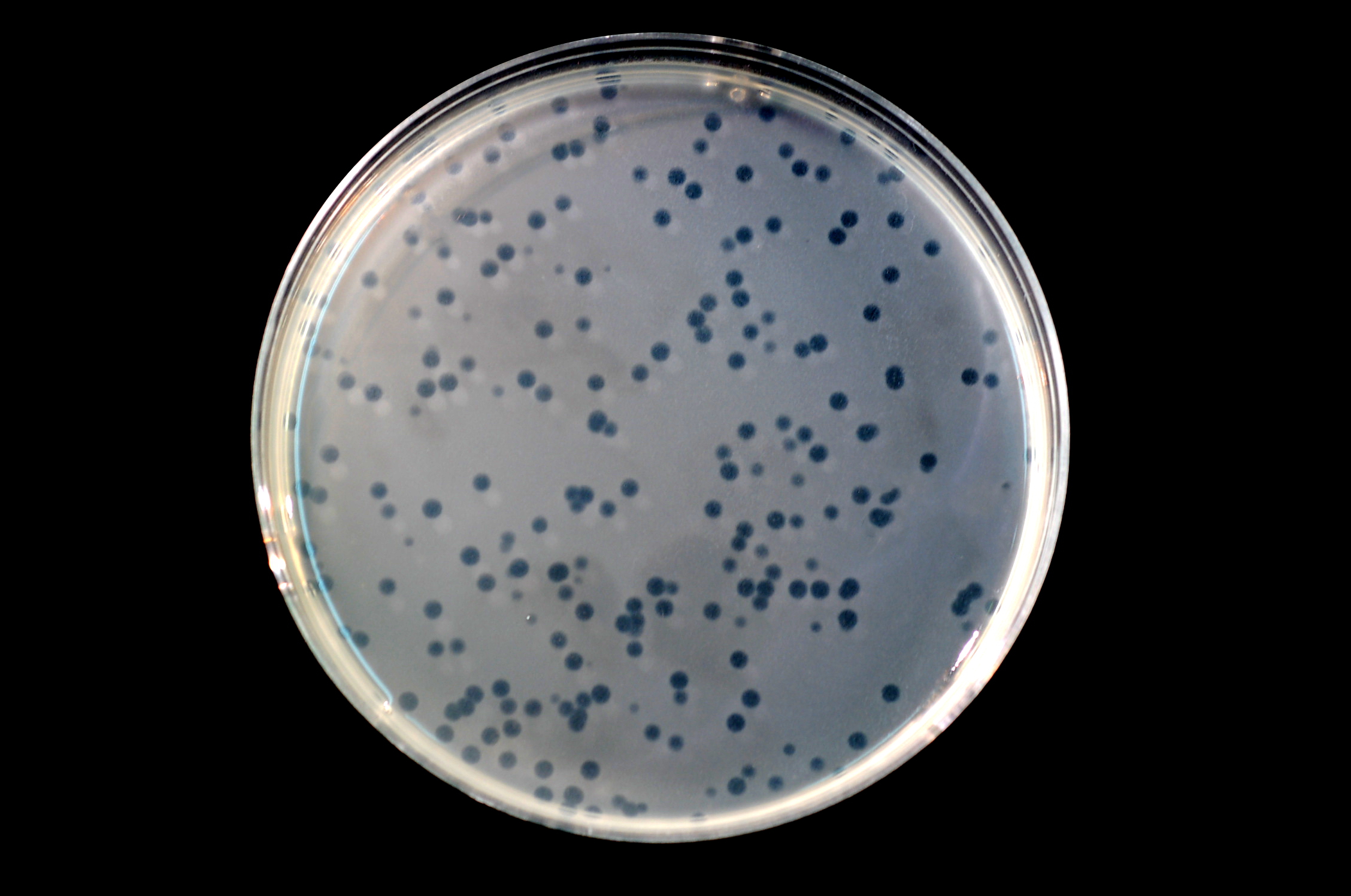
Image source: Wikipedia/Wikimedia
| Ecology, Host, and Life Cycle | |
|---|---|
| Oxygen requirements | Aerobe |
| Optimal temperature | 25 |
| Temperature range | Mesophilic |
| Habitat | Multiple |
| Biotic relationship | Not Available |
| Host(s) | Medicago truncatula, Cicer arietinum, Indigofera sp. |
| Cell arrangement | Not Available |
| Sporulation | Not Available |
| Energy source | Not Available |
| Pathogenicity | Not Available |
Gene Summary
Adenine Count
1191755 bp
Thymine Count
1183393 bp
Guanine Count
1957088 bp
Cytosine Count
1967596 bp
Genome Length
6307690 bp
Protein-coding Genes
5762 genes
Non-Coding Genes
131 genes
# of Chromosomes/Plasmids
1
Genes
| Name | Locus Tag | UniProt ID | Strand Orientation | Gene Start/End | Protein Molecular Weight |
|---|---|---|---|---|---|
| glutamate synthase subunit beta | CN070_06265 | Not Available | Negative | 1286580 - 1288037 | 53166.2 |
| glutamate synthase large subunit | CN070_06270 | Not Available | Negative | 1288135 - 1292859 | 172185.0 |
| low specificity l-threonine aldolase | CN070_06275 | Not Available | Positive | 1293437 - 1294483 | 37901.7 |
| hypothetical protein | CN070_06280 | Not Available | Negative | 1294417 - 1294629 | 7901.59 |
| bile acid:sodium symporter | CN070_06285 | Not Available | Positive | 1294710 - 1295705 | 34955.0 |
| alpha/beta fold hydrolase | CN070_06290 | Not Available | Negative | 1295736 - 1296647 | 34024.4 |
| luxr family transcriptional regulator | CN070_06295 | Not Available | Negative | 1296713 - 1297495 | 29804.4 |
| alpha/beta fold hydrolase | CN070_06300 | Not Available | Positive | 1297620 - 1298510 | 33395.9 |
| abc transporter permease | CN070_06305 | Not Available | Positive | 1298562 - 1299500 | 34035.0 |
| abc transporter permease | CN070_06310 | Not Available | Positive | 1299497 - 1300348 | 30030.8 |
Pathways
1225 pathways
Health Effects
No health effects information available for this bacterium.