Kingdom
Pseudomonadati
Phylum
Pseudomonadota
Class
Alphaproteobacteria
Order
Hyphomicrobiales
Family
Rhizobiaceae
Genus
Sinorhizobium
Description
Taxonomy
| Kingdom | Pseudomonadati |
|---|---|
| Phylum | Pseudomonadota |
| Class | Alphaproteobacteria |
| Order | Hyphomicrobiales |
| Family | Rhizobiaceae |
| Genus | Sinorhizobium |
| Species | Sinorhizobium meliloti |
| Strain | strain USDA1025 |
Profile
| Physiology | |
|---|---|
| Gram staining properties | Negative |
| Shape | Rod |
| Mobility | Yes |
| Flagellar presence | Yes |
| Number of membranes | Not Available |
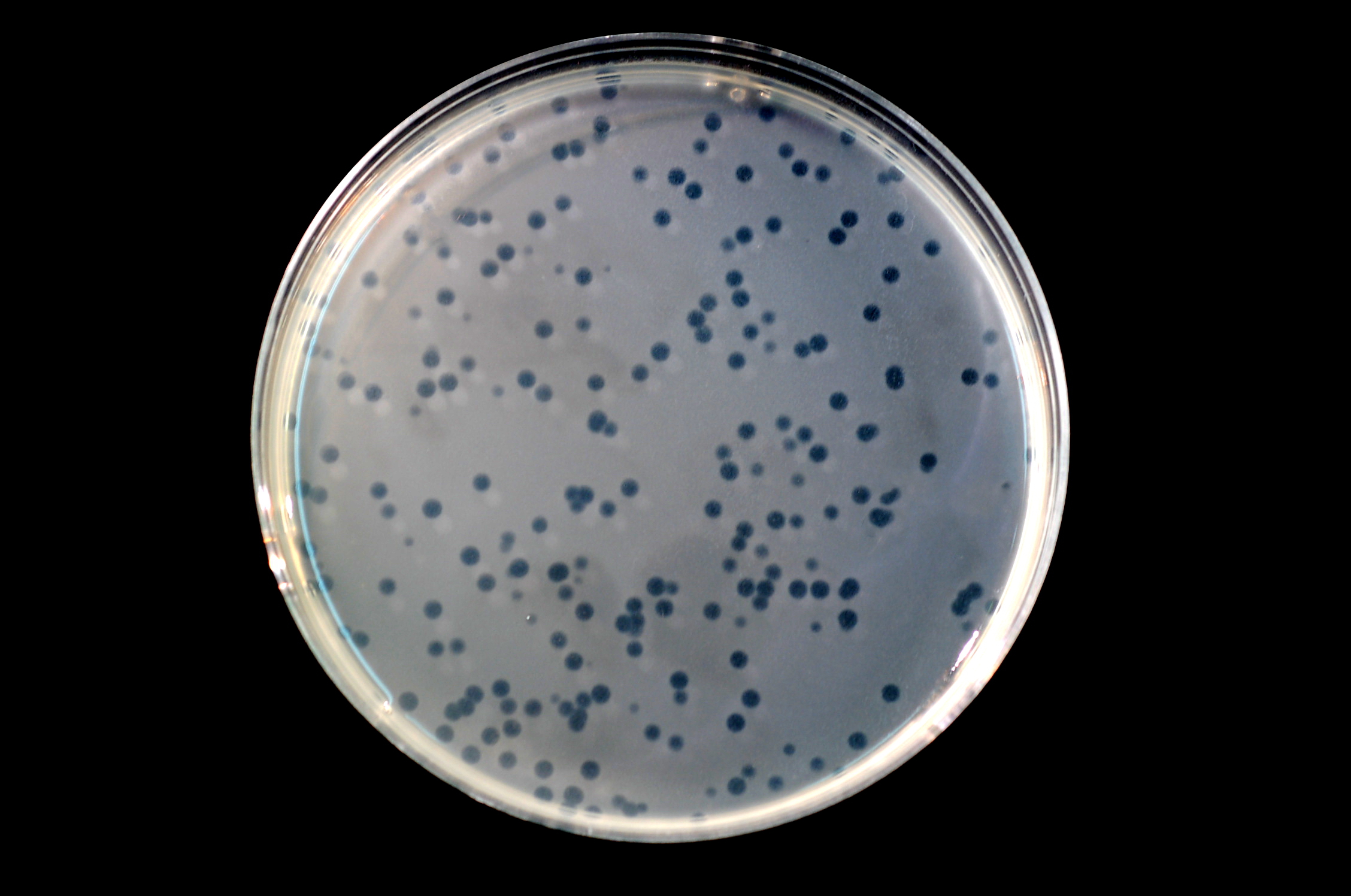
Image source: Wikipedia/Wikimedia
| Ecology, Host, and Life Cycle | |
|---|---|
| Oxygen requirements | Aerobe |
| Optimal temperature | 25 |
| Temperature range | Mesophilic |
| Habitat | Multiple |
| Biotic relationship | Not Available |
| Host(s) | Medicago truncatula, Cicer arietinum, Indigofera sp. |
| Cell arrangement | Not Available |
| Sporulation | Not Available |
| Energy source | Not Available |
| Pathogenicity | Not Available |
Gene Summary
Adenine Count
1191755 bp
Thymine Count
1183393 bp
Guanine Count
1957088 bp
Cytosine Count
1967596 bp
Genome Length
6307690 bp
Protein-coding Genes
5762 genes
Non-Coding Genes
131 genes
# of Chromosomes/Plasmids
1
Genes
| Name | Locus Tag | UniProt ID | Strand Orientation | Gene Start/End | Protein Molecular Weight |
|---|---|---|---|---|---|
| comf family protein | CN070_05250 | Not Available | Negative | 1076782 - 1077528 | 26817.8 |
| sam-dependent methyltransferase | CN070_05255 | Not Available | Positive | 1077723 - 1078619 | 32502.8 |
| flp family type ivb pilin | CN070_05260 | Not Available | Negative | 1078730 - 1078903 | 6153.55 |
| hypothetical protein | CN070_05265 | Not Available | Negative | 1079090 - 1079410 | 11496.9 |
| (deoxy)nucleoside triphosphate pyrophosphohydrolase | CN070_05270 | Not Available | Negative | 1079675 - 1080082 | 15066.4 |
| gnat family n-acetyltransferase | CN070_05275 | Not Available | Negative | 1080088 - 1081011 | 33484.2 |
| bifunctional glutamate n-acetyltransferase/amino-acid acetyltransferase argj | CN070_05280 | Not Available | Negative | 1080980 - 1082221 | 43050.3 |
| peptidylprolyl isomerase | CN070_05285 | Not Available | Negative | 1082375 - 1083229 | 31424.5 |
| preprotein translocase subunit seca | CN070_05290 | Not Available | Positive | 1083474 - 1086185 | 101481.0 |
| cmla/flor family chloramphenicol efflux mfs transporter | CN070_05295 | Not Available | Positive | 1086424 - 1087623 | 42358.6 |
Pathways
0 pathways
No pathways found
No metabolic pathways have been associated with this bacterium yet.
Health Effects
No health effects information available for this bacterium.