
Kingdom
Pseudomonadati
Phylum
Pseudomonadota
Class
Gammaproteobacteria
Order
Pseudomonadales
Family
Pseudomonadaceae
Genus
Pseudomonas
Description
Taxonomy
| Kingdom | Pseudomonadati |
|---|---|
| Phylum | Pseudomonadota |
| Class | Gammaproteobacteria |
| Order | Pseudomonadales |
| Family | Pseudomonadaceae |
| Genus | Pseudomonas |
| Species | Pseudomonas sp. URIL14HWK12:I12 |
| Strain | No strain |
Profile
| Physiology | |
|---|---|
| Gram staining properties | Not Available |
| Shape | Not Available |
| Mobility | Not Available |
| Flagellar presence | Not Available |
| Number of membranes | Not Available |
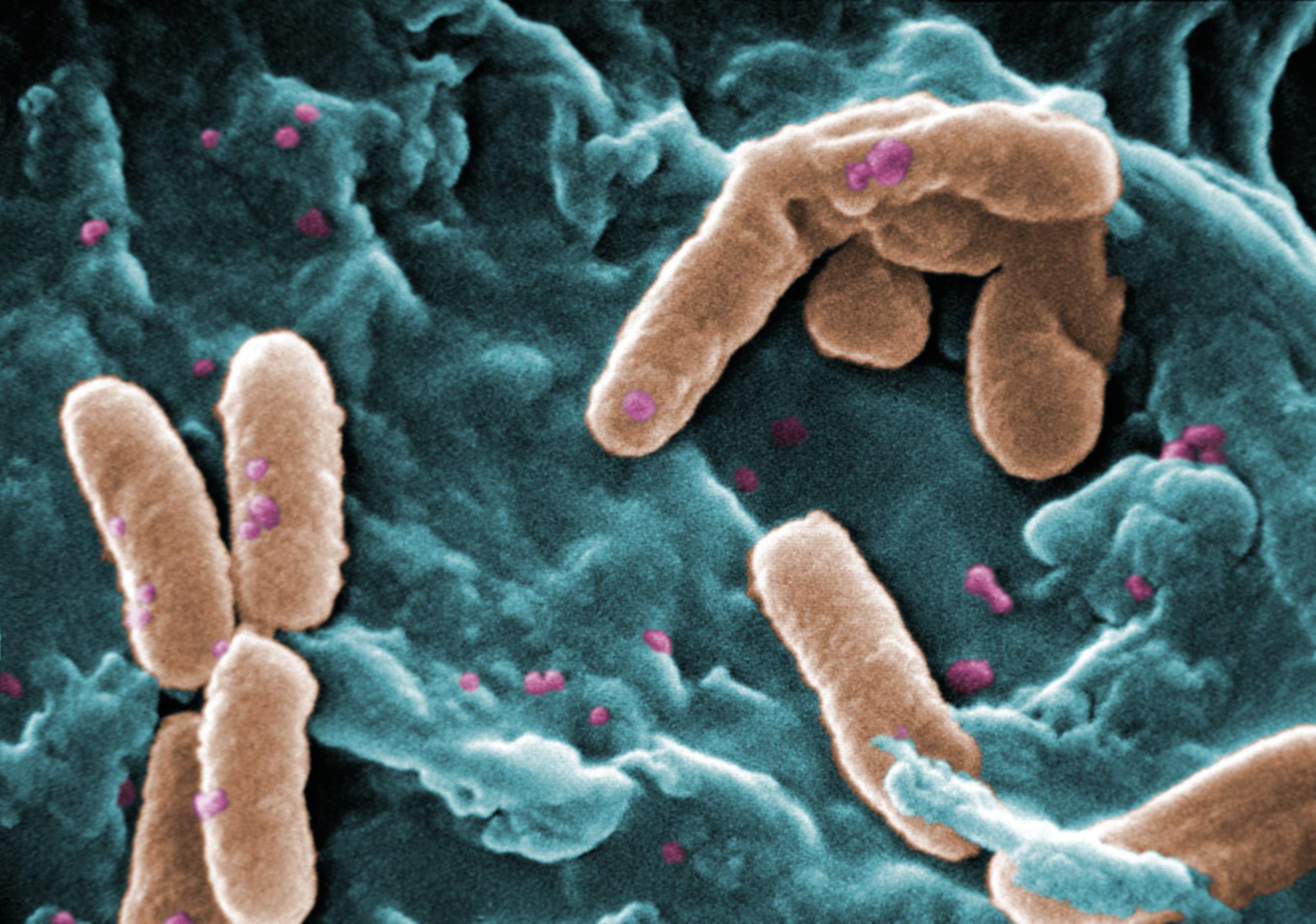
Image source: Wikipedia/Wikimedia
| Ecology, Host, and Life Cycle | |
|---|---|
| Oxygen requirements | Not Available |
| Optimal temperature | Not Available |
| Temperature range | Not Available |
| Habitat | Not Available |
| Biotic relationship | Not Available |
| Host(s) | Not Available |
| Cell arrangement | Not Available |
| Sporulation | Not Available |
| Energy source | Not Available |
| Pathogenicity | Not Available |
Gene Summary
Adenine Count
907893 bp
Thymine Count
897401 bp
Guanine Count
1515221 bp
Cytosine Count
1527680 bp
Genome Length
4848195 bp
Protein-coding Genes
4365 genes
Non-Coding Genes
135 genes
# of Chromosomes/Plasmids
1
Genes
| Name | Locus Tag | UniProt ID | Strand Orientation | Gene Start/End | Protein Molecular Weight |
|---|---|---|---|---|---|
| putative ester cyclase | F474_01152 | Not Available | Negative | 1219306 - 1219743 | 15985.2 |
| dna-binding transcriptional lysr family regulator | F474_01153 | Not Available | Positive | 1219836 - 1220750 | 32893.1 |
| glutathione s-transferase | F474_01154 | Not Available | Negative | 1220959 - 1221609 | 24996.7 |
| aspartate racemase | F474_01155 | Not Available | Negative | 1221792 - 1223264 | 53189.5 |
| na+/h+-dicarboxylate symporter | F474_01156 | Not Available | Negative | 1223261 - 1224568 | 46015.9 |
| dna-binding transcriptional lysr family regulator | F474_01157 | Not Available | Positive | 1224787 - 1225710 | 33831.8 |
| dna-binding transcriptional lysr family regulator | F474_01158 | Not Available | Negative | 1225807 - 1226691 | 31663.6 |
| putative protein-disulfide isomerase | F474_01159 | Not Available | Positive | 1226792 - 1227469 | 24543.2 |
| hypothetical protein | F474_01160 | Not Available | Positive | 1227526 - 1227789 | 9037.79 |
| dna-binding transcriptional mocr family regulator | F474_01161 | Not Available | Negative | 1227772 - 1229169 | 51599.4 |
Pathways
0 pathways
No pathways found
No metabolic pathways have been associated with this bacterium yet.
Health Effects
No health effects information available for this bacterium.


