Kingdom
Pseudomonadati
Phylum
Pseudomonadota
Class
Gammaproteobacteria
Order
Enterobacterales
Family
Enterobacteriaceae
Genus
Escherichia
Description
Taxonomy
| Kingdom | Pseudomonadati |
|---|---|
| Phylum | Pseudomonadota |
| Class | Gammaproteobacteria |
| Order | Enterobacterales |
| Family | Enterobacteriaceae |
| Genus | Escherichia |
| Species | Escherichia coli |
| Strain | strain BV723 |
Profile
| Physiology | |
|---|---|
| Gram staining properties | Negative |
| Shape | Rod |
| Mobility | Yes |
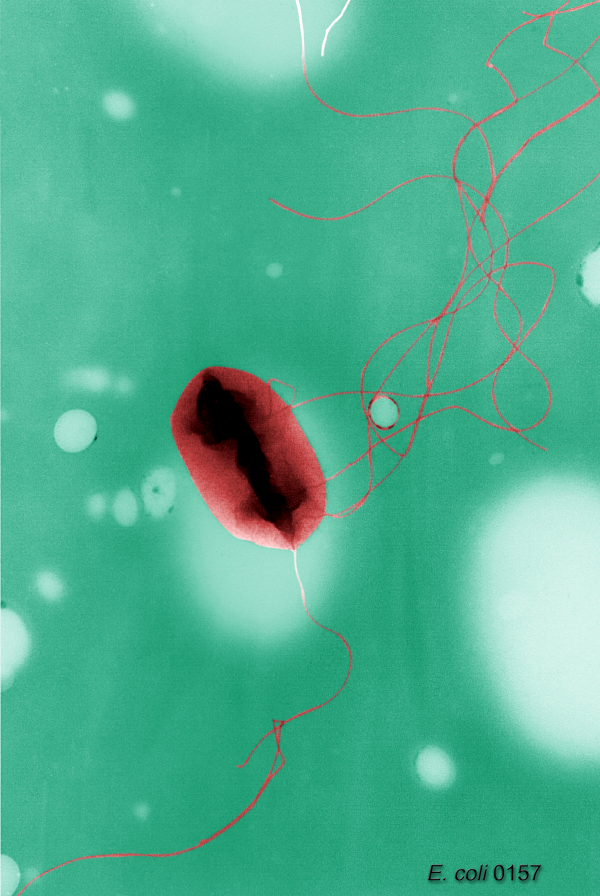
| Flagellar presence | Yes |
| Number of membranes | 2 |
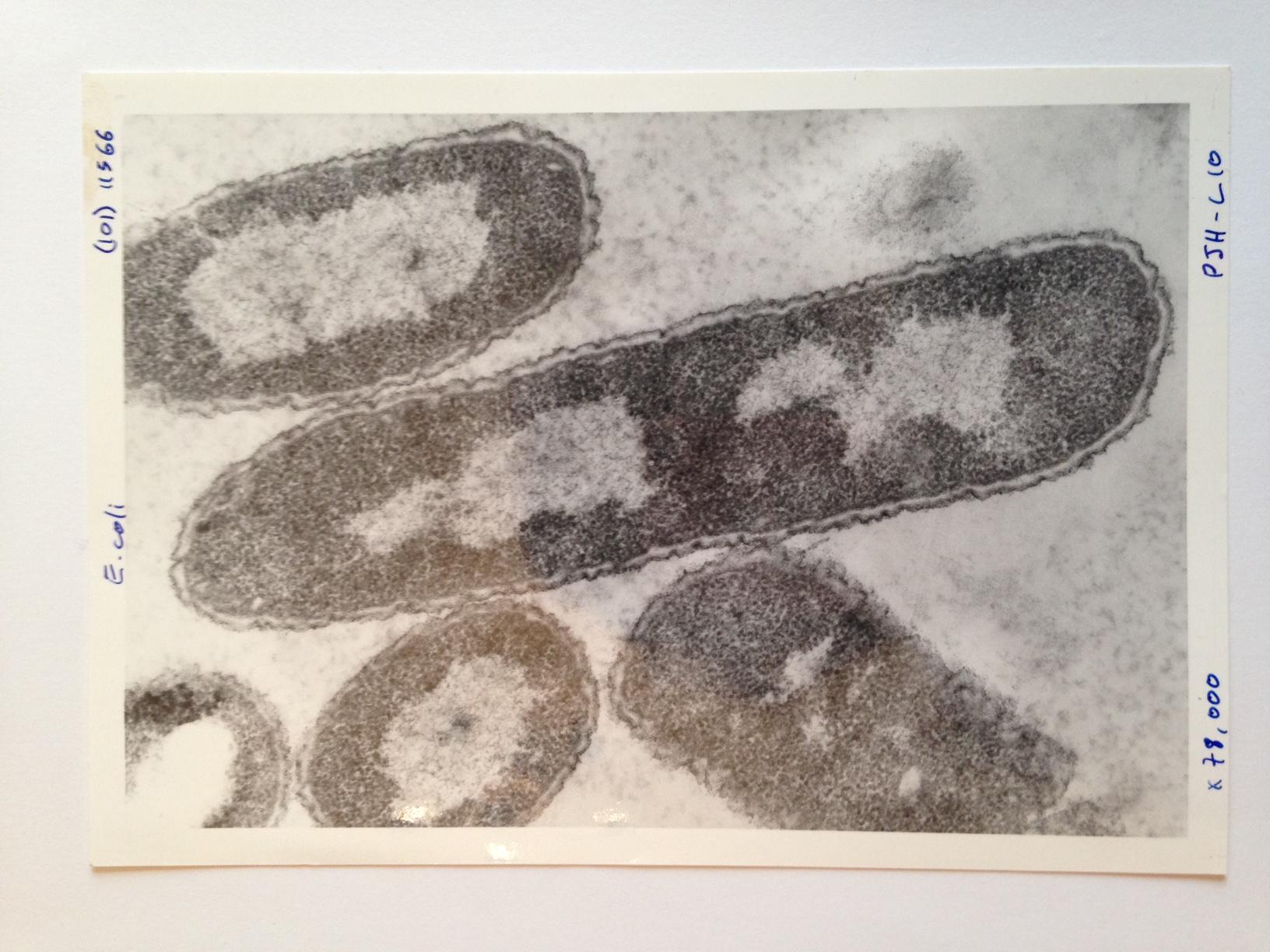
Image source: Wikipedia/Wikimedia
| Ecology, Host, and Life Cycle | |
|---|---|
| Oxygen requirements | Facultative anaerobe |
| Optimal temperature | 37 |
| Temperature range | Mesophilic |
| Habitat | HostAssociated |
| Biotic relationship | Free living |
| Host(s) | Homo sapiens, Gallus gallus, Bos taurus |
| Cell arrangement | Pairs - Singles |
| Sporulation | Not Available |
| Energy source | Not Available |
| Pathogenicity | Human |
Gene Summary
Adenine Count
1488228 bp
Thymine Count
1492362 bp
Guanine Count
1510426 bp
Cytosine Count
1522562 bp
Genome Length
6013578 bp
Protein-coding Genes
7121 genes
Non-Coding Genes
264 genes
# of Chromosomes/Plasmids
1
Genes
| Name | Locus Tag | UniProt ID | Strand Orientation | Gene Start/End | Protein Molecular Weight |
|---|---|---|---|---|---|
| Hypothetical protein | C6986_10705 | Not Available | Positive | 1811365 - 1811703 | 12855.2 |
| Hypothetical protein | C6986_10710 | Not Available | Positive | 1811714 - 1811992 | 10257.2 |
| Dna modification methyltransferase | C6986_10715 | Not Available | Positive | 1812004 - 1812246 | 9029.64 |
| Hypothetical protein | C6986_10720 | Not Available | Positive | 1812444 - 1812646 | 7950.41 |
| Hypothetical protein | C6986_10725 | Not Available | Positive | 1812643 - 1812861 | 8348.03 |
| inositol monophosphatase | C6986_10730 | Not Available | Positive | 1812970 - 1813359 | 14722.3 |
| Replication protein | C6986_10735 | Not Available | Positive | 1813356 - 1816199 | 108536.0 |
| Plasmid segregation protein parm | C6986_10740 | Not Available | Positive | 1816276 - 1817235 | 34938.7 |
| Chromosome partitioning protein | C6986_10745 | Not Available | Positive | 1817240 - 1817551 | 11306.5 |
| Hypothetical protein | C6986_10750 | Not Available | Positive | 1817615 - 1817998 | 14257.9 |
Pathways
0 pathways
No pathways found
No metabolic pathways have been associated with this bacterium yet.
Health Effects
| Health Condition | Relation | Reference |
|---|---|---|
| Gi disease | Causes | PMC11149725 |
| Utis | Causes | PMC11434687 |
| Colorectal cancer | Causes | PMC12198655 |
| Pyogenic liver abscesses | Causes | PMC12392612 |
| Uti | Causes | PMC13014981 |
| Colibacillosis | Causes | PMC13255289 |
| Enteric infections | Causes | PMC13255289 |
| Foodborne infections | Causes | PMC13255289 |
| Clinical mastitis | Causes | PMC13293316 |
| Diarrhea | Causes | PMC3035056 |