Kingdom
Pseudomonadati
Phylum
Pseudomonadota
Class
Alphaproteobacteria
Order
Hyphomicrobiales
Family
Rhizobiaceae
Genus
Sinorhizobium
Description
Taxonomy
| Kingdom | Pseudomonadati |
|---|---|
| Phylum | Pseudomonadota |
| Class | Alphaproteobacteria |
| Order | Hyphomicrobiales |
| Family | Rhizobiaceae |
| Genus | Sinorhizobium |
| Species | Sinorhizobium meliloti |
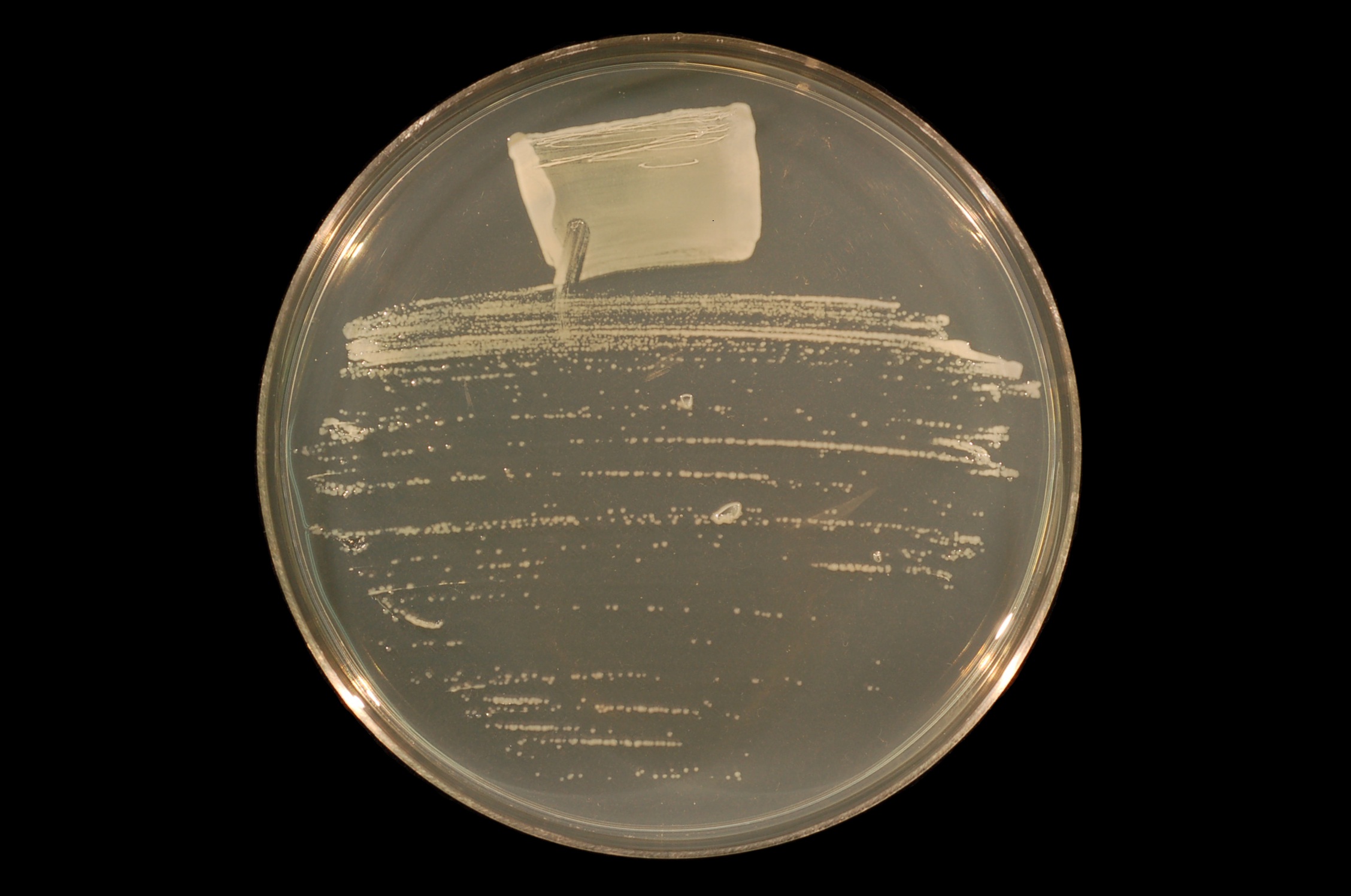
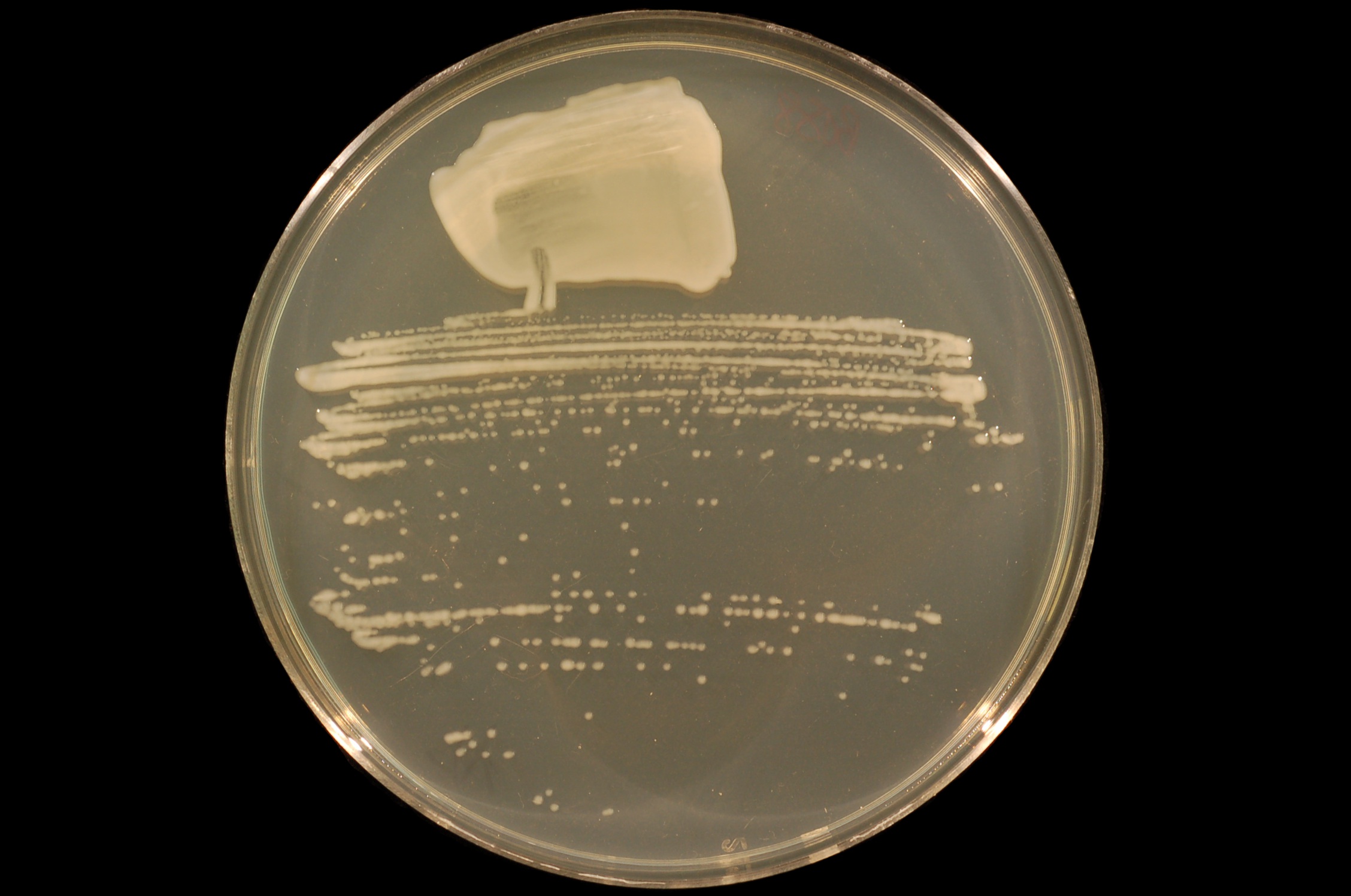
| Strain | strain M162 |
Profile
| Physiology | |
|---|---|
| Gram staining properties | Negative |
| Shape | Rod |
| Mobility | Yes |
| Flagellar presence | Yes |
| Number of membranes | Not Available |
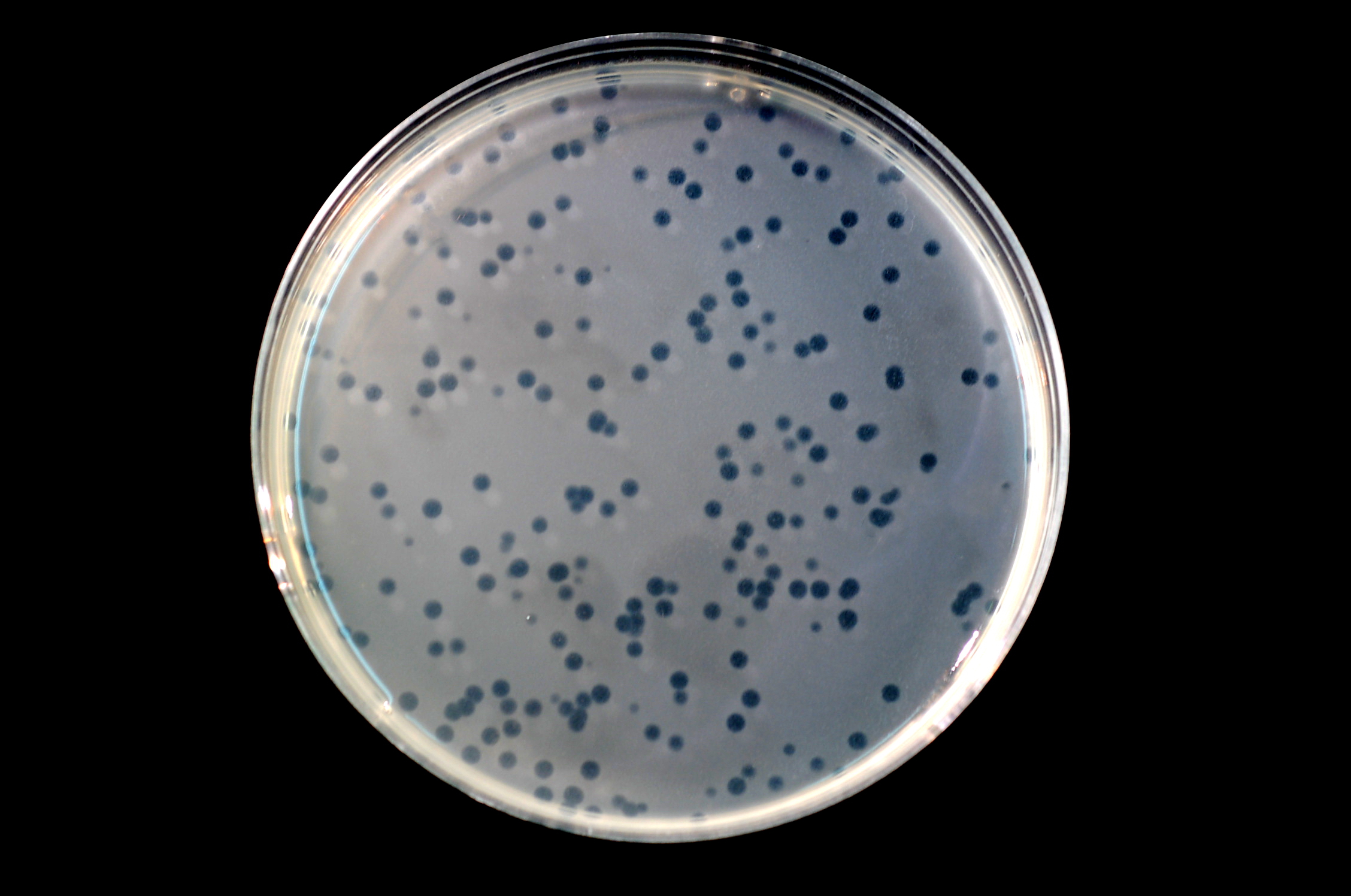
Image source: Wikipedia/Wikimedia
| Ecology, Host, and Life Cycle | |
|---|---|
| Oxygen requirements | Aerobe |
| Optimal temperature | 25 |
| Temperature range | Mesophilic |
| Habitat | Multiple |
| Biotic relationship | Not Available |
| Host(s) | Medicago truncatula, Cicer arietinum, Indigofera sp. |
| Cell arrangement | Not Available |
| Sporulation | Not Available |
| Energy source | Not Available |
| Pathogenicity | Not Available |
Gene Summary
Adenine Count
175236 bp
Thymine Count
178626 bp
Guanine Count
271034 bp
Cytosine Count
267849 bp
Genome Length
892745 bp
Protein-coding Genes
891 genes
Non-Coding Genes
0 genes
# of Chromosomes/Plasmids
3
Genes
| Name | Locus Tag | UniProt ID | Strand Orientation | Gene Start/End | Protein Molecular Weight |
|---|---|---|---|---|---|
| c1 family peptidase | CDO25_RS19250 | Not Available | Negative | 58998 - 60950 | 72067.9 |
| tigr02594 family protein | CDO25_RS19255 | Not Available | Negative | 61103 - 61780 | 25493.0 |
| hypothetical protein | CDO25_RS19260 | Not Available | Negative | 62486 - 62893 | 13949.2 |
| sumf1/egtb/pvdo family nonheme iron enzyme | CDO25_RS19265 | Not Available | Negative | 62912 - 64957 | 75645.4 |
| hypothetical protein | CDO25_RS19270 | Not Available | Negative | 65021 - 65290 | 6542.41 |
| type ii toxin-antitoxin system vapc family toxin | CDO25_RS19275 | Not Available | Negative | 66051 - 66440 | 14536.8 |
| type ii toxin-antitoxin system vapb family antitoxin | CDO25_RS19280 | Not Available | Negative | 66437 - 66637 | 7096.65 |
| gfa family protein | CDO25_RS19285 | Not Available | Positive | 66928 - 67329 | 14850.8 |
| arac family transcriptional regulator | CDO25_RS19290 | Not Available | Negative | 67406 - 68242 | 30217.8 |
| duf1127 domain-containing protein | CDO25_RS19295 | Not Available | Positive | 68392 - 68661 | 10082.0 |
Pathways
0 pathways
No pathways found
No metabolic pathways have been associated with this bacterium yet.
Health Effects
No health effects information available for this bacterium.