Kingdom
Pseudomonadati
Phylum
Pseudomonadota
Class
Alphaproteobacteria
Order
Hyphomicrobiales
Family
Rhizobiaceae
Genus
Sinorhizobium
Description
Taxonomy
| Kingdom | Pseudomonadati |
|---|---|
| Phylum | Pseudomonadota |
| Class | Alphaproteobacteria |
| Order | Hyphomicrobiales |
| Family | Rhizobiaceae |
| Genus | Sinorhizobium |
| Species | Sinorhizobium meliloti |
| Strain | strain M162 |
Profile
| Physiology | |
|---|---|
| Gram staining properties | Negative |
| Shape | Rod |
| Mobility | Yes |
| Flagellar presence | Yes |
| Number of membranes | Not Available |
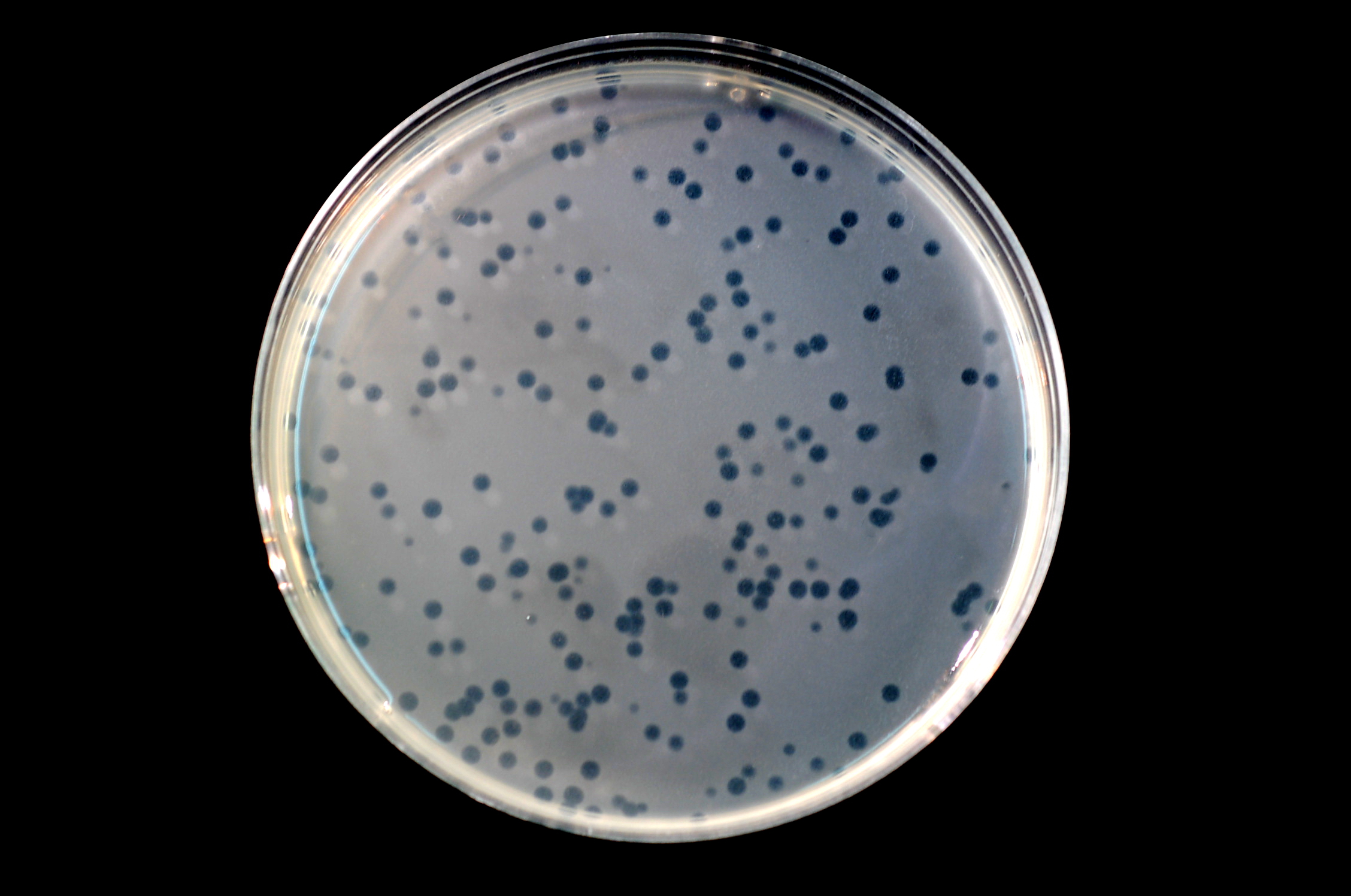
Image source: Wikipedia/Wikimedia
| Ecology, Host, and Life Cycle | |
|---|---|
| Oxygen requirements | Aerobe |
| Optimal temperature | 25 |
| Temperature range | Mesophilic |
| Habitat | Multiple |
| Biotic relationship | Not Available |
| Host(s) | Medicago truncatula, Cicer arietinum, Indigofera sp. |
| Cell arrangement | Not Available |
| Sporulation | Not Available |
| Energy source | Not Available |
| Pathogenicity | Not Available |
Genome Summary
Sinorhizobium meliloti strain M162 plasmid psymA, complete
Gene Summary
Adenine Count
175236 bp
Thymine Count
178626 bp
Guanine Count
271034 bp
Cytosine Count
267849 bp
Genome Length
892745 bp
Protein-coding Genes
891 genes
Non-Coding Genes
0 genes
# of Chromosomes/Plasmids
3
Genes
| Name | Locus Tag | UniProt ID | Strand Orientation | Gene Start/End | Protein Molecular Weight |
|---|---|---|---|---|---|
| hypothetical protein | CDO25_RS17935 | Not Available | Negative | 3596905 - 3597405 | 17294.3 |
| lyse family transporter | CDO25_RS17940 | Not Available | Negative | 3597405 - 3598049 | 23141.9 |
| 2-oxoglutarate dehydrogenase complex dihydrolipoyllysine-residue succinyltransferase | CDO25_RS17945 | Not Available | Negative | 3598305 - 3599558 | 43397.4 |
| 2-oxoglutarate dehydrogenase e1 component | CDO25_RS17950 | Not Available | Negative | 3599681 - 3602677 | 112254.0 |
| succinate--coa ligase subunit alpha | CDO25_RS17955 | Not Available | Negative | 3602958 - 3603860 | 30929.6 |
| adp-forming succinate--coa ligase subunit beta | CDO25_RS17960 | Not Available | Negative | 3603867 - 3605063 | 42137.0 |
| malate dehydrogenase | CDO25_RS17965 | Not Available | Negative | 3605097 - 3606059 | 33613.1 |
| cell division protein zape | CDO25_RS17970 | Not Available | Negative | 3606242 - 3607396 | 42524.9 |
| higa family addiction module antitoxin | CDO25_RS17975 | Not Available | Negative | 3607438 - 3607737 | 10756.0 |
| type ii toxin-antitoxin system rele/pare family toxin | CDO25_RS17980 | Not Available | Negative | 3607712 - 3607990 | 10786.0 |
Pathways
0 pathways
No pathways found
No metabolic pathways have been associated with this bacterium yet.
Health Effects
No health effects information available for this bacterium.