Kingdom
Pseudomonadati
Phylum
Pseudomonadota
Class
Gammaproteobacteria
Order
Enterobacterales
Family
Enterobacteriaceae
Genus
Escherichia
Description
Taxonomy
| Kingdom | Pseudomonadati |
|---|---|
| Phylum | Pseudomonadota |
| Class | Gammaproteobacteria |
| Order | Enterobacterales |
| Family | Enterobacteriaceae |
| Genus | Escherichia |
| Species | Escherichia coli |
| Strain | strain 1608190062 |
Profile
| Physiology | |
|---|---|
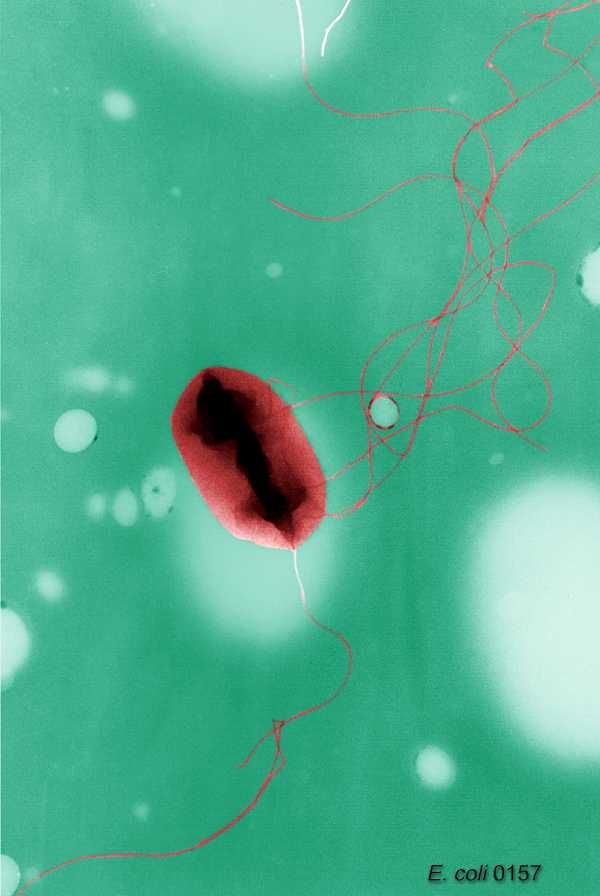
| Gram staining properties | Negative |
| Shape | Rod |
| Mobility | Yes |
| Flagellar presence | Yes |
| Number of membranes | 2 |
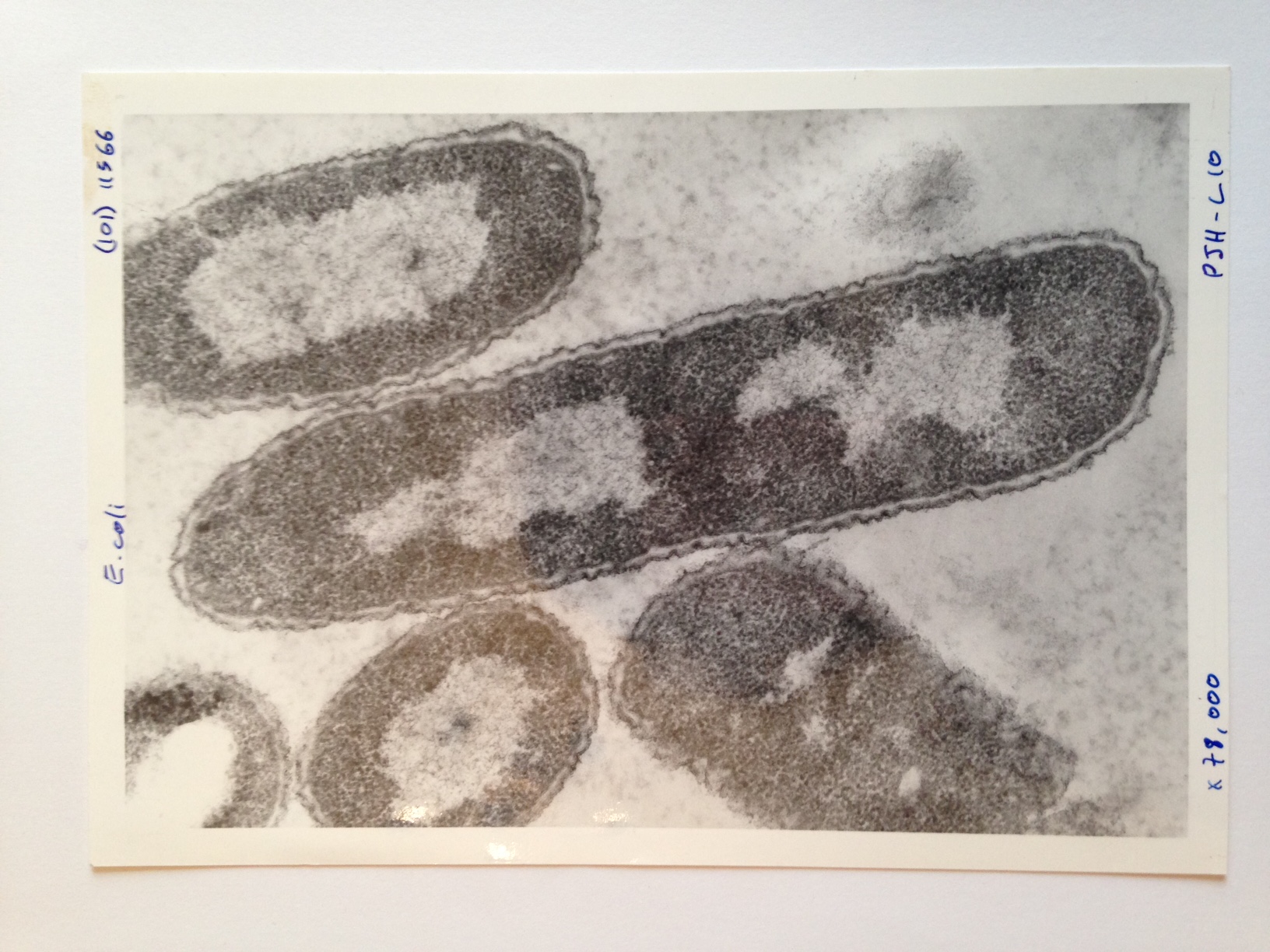
Image source: Wikipedia/Wikimedia
| Ecology, Host, and Life Cycle | |
|---|---|
| Oxygen requirements | Facultative anaerobe |
| Optimal temperature | 37 |
| Temperature range | Mesophilic |
| Habitat | HostAssociated |
| Biotic relationship | Free living |
| Host(s) | Homo sapiens, Gallus gallus, Bos taurus |
| Cell arrangement | Pairs - Singles |
| Sporulation | Not Available |
| Energy source | Not Available |
| Pathogenicity | Human |
Gene Summary
Adenine Count
1294678 bp
Thymine Count
1295793 bp
Guanine Count
1342459 bp
Cytosine Count
1321524 bp
Genome Length
5254454 bp
Protein-coding Genes
4914 genes
Non-Coding Genes
465 genes
# of Chromosomes/Plasmids
1
Genes
| Name | Locus Tag | UniProt ID | Strand Orientation | Gene Start/End | Protein Molecular Weight |
|---|---|---|---|---|---|
| protein-export protein secb | CCZ14_24310 | Not Available | Positive | 4671135 - 4671602 | 17292.3 |
| glycerol-3-phosphate dehydrogenase (nad(p)(+)) | CCZ14_24315 | Not Available | Positive | 4671602 - 4672621 | 36363.8 |
| serine acetyltransferase | CCZ14_24320 | Not Available | Positive | 4672701 - 4673522 | 29318.4 |
| trna (uridine(34)/cytosine(34)/5- carboxymethylaminomethyluridine(34)-2'-o)- methyltransferase trml | CCZ14_24325 | Not Available | Negative | 4673575 - 4674048 | 17727.3 |
| alpha-hydroxy-acid oxidizing enzyme | CCZ14_24330 | Not Available | Negative | 4674096 - 4675286 | 42716.6 |
| transcriptional regulator lldr | CCZ14_24335 | Not Available | Negative | 4675283 - 4676059 | 29195.9 |
| l-lactate permease | CCZ14_24340 | Not Available | Negative | 4676059 - 4677714 | 59219.6 |
| adhesin | CCZ14_24350 | Not Available | Negative | 4678132 - 4682475 | 145913.0 |
| hypothetical protein | CCZ14_24355 | Not Available | Negative | 4682519 - 4683199 | 25526.8 |
| arginine:ornithine antiporter | CCZ14_24360 | Not Available | Negative | 4683342 - 4683566 | 7602.62 |
Pathways
1297 pathways
Health Effects
| Health Condition | Relation | Reference |
|---|---|---|
| Gi disease | Causes | PMC11149725 |
| Utis | Causes | PMC11434687 |
| Colorectal cancer | Causes | PMC12198655 |
| Pyogenic liver abscesses | Causes | PMC12392612 |
| Uti | Causes | PMC13014981 |
| Colibacillosis | Causes | PMC13255289 |
| Enteric infections | Causes | PMC13255289 |
| Foodborne infections | Causes | PMC13255289 |
| Clinical mastitis | Causes | PMC13293316 |
| Diarrhea | Causes | PMC3035056 |