Geodermatophilus obscurus DSM 43160

Gram-negativeCocciNon-motileAerobic

Kingdom

Bacillati

Phylum

Actinomycetota

Class

Actinomycetes

Order

Geodermatophilales

Family

Geodermatophilaceae

Genus

Geodermatophilus

Description

Geodermatophilus obscurus DSM 43160 is a Gram-negative, aerobic bacterium characterized by its filamentous cell arrangement and cocci shape. It is classified as a chemoorganotroph, utilizing organic compounds as its energy source. This organism is non-motile, despite having flagella, indicating that its movement is not a primary trait for this species. G. obscurus thrives in terrestrial habitats, where it plays a role as a free-living organism. It has a mesophilic temperature preference, with an optimal growth temperature of 29°C, suggesting it is well-adapted to moderate environmental conditions. The bacterium contains a single replicon and has one membrane, which is typical for its classification. Notably, G. obscurus is not pathogenic, indicating that it does not cause disease in other organisms. This aspect may allow it to coexist with various microbial communities without contributing to negative health impacts. Understanding the ecological role of G. obscurus in terrestrial environments can provide insights into its interactions within microbial ecosystems, particularly in nutrient cycling and organic matter decomposition. Given its unique traits, G. obscurus serves as an interesting subject for further research into the diversity of free-living bacteria and their contributions to soil health and stability. The accession number for G. obscurus is NC_013757.1, which can be used for genomic and taxonomic studies related to this species.

Taxonomy

KingdomBacillati
PhylumActinomycetota
ClassActinomycetes
OrderGeodermatophilales
FamilyGeodermatophilaceae
GenusGeodermatophilus
SpeciesGeodermatophilus obscurus
StrainDSM 43160

Profile

Physiology
Gram staining propertiesNegative
ShapeCocci
MobilityNo
Flagellar presenceYes
Number of membranes1
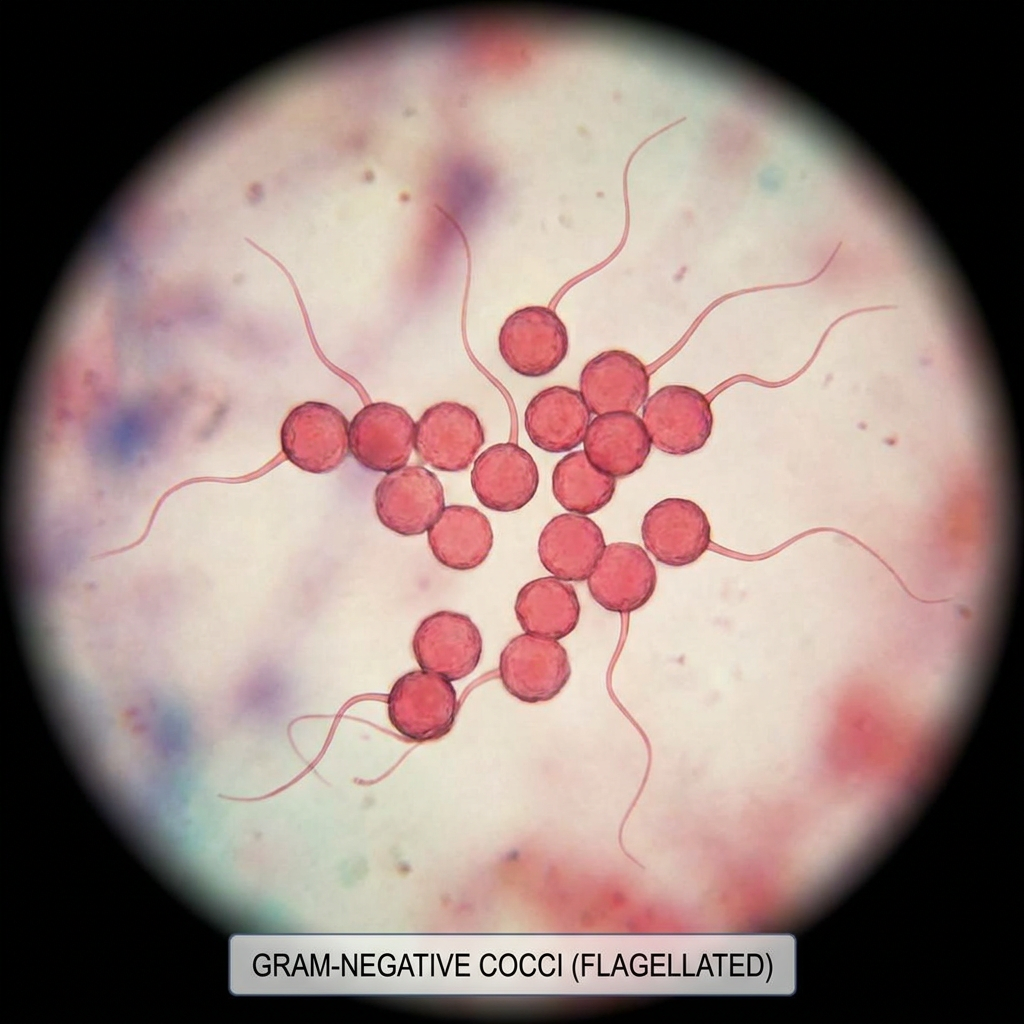
Image of Geodermatophilus obscurus DSM 43160
AI-generated image based on bacteria physiology
Ecology, Host, and Life Cycle
Oxygen requirementsAerobic
Optimal temperature29
Temperature rangeMesophilic
HabitatTerrestrial
Biotic relationshipFree living
Host(s)Not Available
Cell arrangementFilaments
SporulationNot Available
Energy sourceChemoorganotroph
PathogenicityNo

Genome Summary

Geodermatophilus obscurus DSM 43160, complete sequence.

Gene Summary

Adenine Count

692029 bp

Thymine Count

692666 bp

Guanine Count

1972021 bp

Cytosine Count

1965781 bp

Genome Length

5322497 bp

Protein-coding Genes

5070 genes

Non-Coding Genes

60 genes

# of Chromosomes/Plasmids

1

Genes

NameLocus TagUniProt IDStrand OrientationGene Start/EndProtein Molecular Weight
ssga family sporulation/cell division regulatorGOBS_RS15625Not AvailablePositive3350639 - 335108215669.5
Trna-glyNot AvailableNot AvailablePositive3351152 - 3351224Not Available
Trna-cysNot AvailableNot AvailablePositive3351266 - 3351336Not Available
Trna-valNot AvailableNot AvailablePositive3351384 - 3351455Not Available
dephospho-coa kinaseGOBS_RS15645Not AvailableNegative3351613 - 335220920694.7
hypothetical proteinGOBS_RS15650Not AvailablePositive3352354 - 33526269813.87
30s ribosomal protein s1GOBS_RS15655Not AvailableNegative3352881 - 335434753679.0
class i sam-dependent methyltransferaseGOBS_RS15660Not AvailablePositive3354563 - 335541730277.8
hypothetical proteinGOBS_RS27590Not AvailablePositive3355469 - 33556365838.99
histidine phosphatase family proteinGOBS_RS27595Not AvailablePositive3355633 - 335613017790.7

Displaying genes 3211 – 3220 of 5130 in total

Pathways

0 pathways

No pathways found

No metabolic pathways have been associated with this bacterium yet.

Metabolites

98 records
Metabolite IDMetabolite nameStructureCAS number
BASm0000401(S)-2-succinylamino-6-oxoheptanedioateC11H12NO8Chemical structure of (S)-2-succinylamino-6-oxoheptanedioateNot available
Average286.218Da
Monoisotopic286.0579371Da
BASm0001865diphosphateHO7P2Chemical structure of diphosphateNot available
Average174.95Da
Monoisotopic174.9213971Da
BASm00024581D-myo-inositol 2-acetamido-2-deoxy-alpha-D-glucopyranosideC14H25NO11Chemical structure of 1D-myo-inositol 2-acetamido-2-deoxy-alpha-D-glucopyranosideNot available
Average383.35Da
Monoisotopic383.142760629Da
BASm00037771D-myo-inositol 2-(L-cysteinylamino)-2-deoxy-alpha-D-glucopyranosideC15H29N2O11SChemical structure of 1D-myo-inositol 2-(L-cysteinylamino)-2-deoxy-alpha-D-glucopyranosideNot available
Average445.46Da
Monoisotopic445.1486574Da
BASm00037801D-myo-inositol 2-acetamido-2-deoxy-alpha-D-glucopyranoside 3-phosphateC14H24NO14PChemical structure of 1D-myo-inositol 2-acetamido-2-deoxy-alpha-D-glucopyranoside 3-phosphateNot available
Average461.314Da
Monoisotopic461.094538615Da
BASm00055001-octadecanoyl-sn-glycero-3-phosphateC21H41O7PChemical structure of 1-octadecanoyl-sn-glycero-3-phosphateNot available
Average436.5198Da
Monoisotopic436.2589902Da
BASm0010299enolpyruvoyl-2-diphospho-5'-guanosineC13H14N5O13P2Chemical structure of enolpyruvoyl-2-diphospho-5'-guanosineNot available
Average510.226Da
Monoisotopic510.007980267Da
BASm0012554N-acetyl-beta-D-glucosaminyl-(1->4)-1,6-anhydro-N-acetyl-beta-D-muramoyl-L-alanyl-gamma-D-glutamyl-meso-diaminoheptanedioate-D-alanineC37H57N7O20Not availableNot available
Average919.893Da
Monoisotopic919.366934423Da
BASm0014032Acetic acidC2H4O2Chemical structure of Acetic acid64-19-7
Average60.052Da
Monoisotopic60.021129372Da
BASm0014033AmmoniaH3NChemical structure of Ammonia7664-41-7
Average17.0305Da
Monoisotopic17.026549101Da

Displaying 1–10 of 98 metabolites

Health Effects

No health effects information available for this bacterium.