Kingdom
Pseudomonadati
Phylum
Pseudomonadota
Class
Betaproteobacteria
Order
Burkholderiales
Family
Comamonadaceae
Genus
Polaromonas
Description
Taxonomy
| Kingdom | Pseudomonadati |
|---|---|
| Phylum | Pseudomonadota |
| Class | Betaproteobacteria |
| Order | Burkholderiales |
| Family | Comamonadaceae |
| Genus | Polaromonas |
| Species | Polaromonas sp. YR568 |
| Strain | No strain |
Profile
| Physiology | |
|---|---|
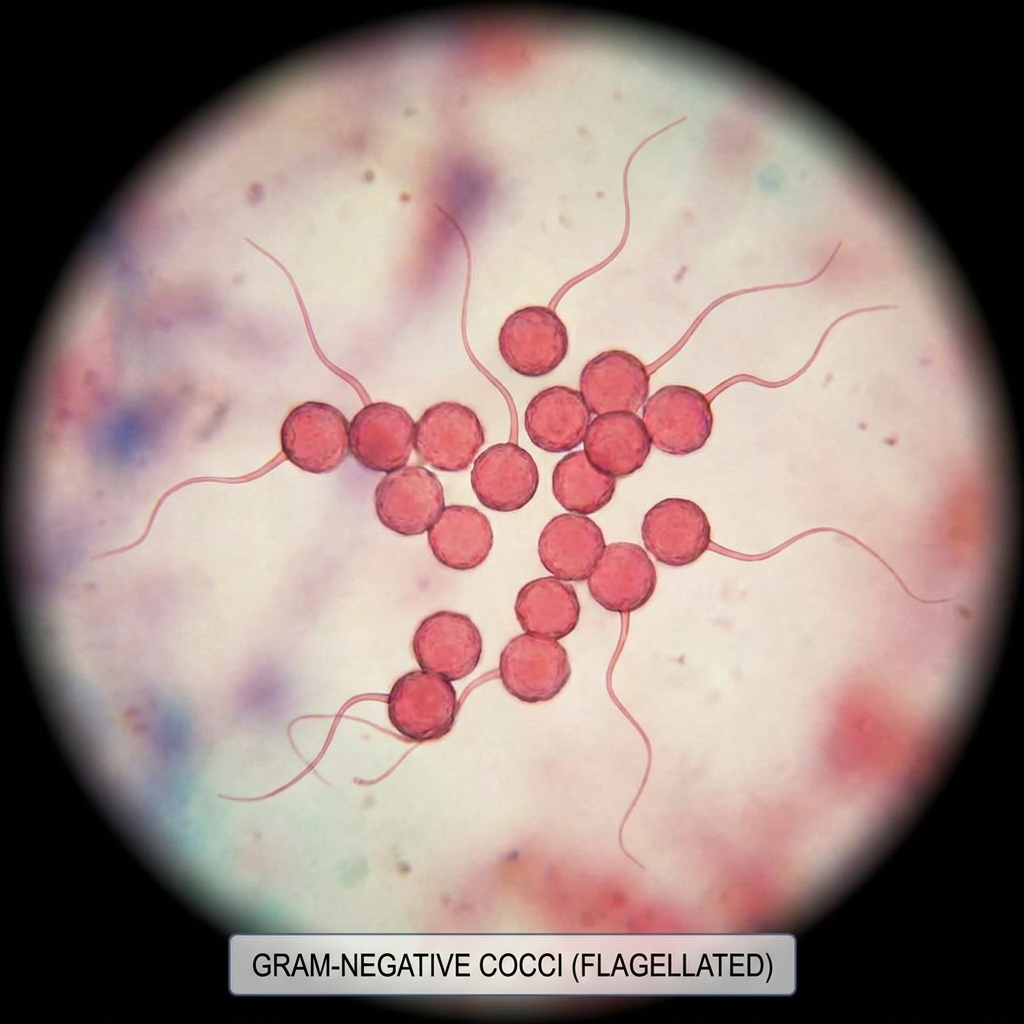
| Gram staining properties | Negative |
| Shape | Not Available |
| Mobility | Not Available |
| Flagellar presence | Yes |
| Number of membranes | Not Available |
| Ecology, Host, and Life Cycle | |
|---|---|
| Oxygen requirements | Not Available |
| Optimal temperature | Not Available |
| Temperature range | Not Available |
| Habitat | Not Available |
| Biotic relationship | Not Available |
| Host(s) | Not Available |
| Cell arrangement | Not Available |
| Sporulation | Not Available |
| Energy source | Not Available |
| Pathogenicity | Not Available |
Gene Summary
Adenine Count
900787 bp
Thymine Count
893662 bp
Guanine Count
1505204 bp
Cytosine Count
1526505 bp
Genome Length
4827503 bp
Protein-coding Genes
4448 genes
Non-Coding Genes
58 genes
# of Chromosomes/Plasmids
1
Genes
| Name | Locus Tag | UniProt ID | Strand Orientation | Gene Start/End | Protein Molecular Weight |
|---|---|---|---|---|---|
| ornithine-acyl[acyl carrier protein] n-acyltransferase | SAMN05216350_101301 | Not Available | Negative | 321886 - 322752 | 31856.3 |
| hypothetical protein | SAMN05216350_101302 | Not Available | Negative | 322890 - 323150 | 9075.97 |
| hypothetical protein | SAMN05216350_101303 | Not Available | Positive | 323382 - 323687 | 10620.3 |
| arsenate reductase | SAMN05216350_101304 | Not Available | Negative | 323692 - 324150 | 16618.3 |
| transcriptional regulator, arsr family | SAMN05216350_101305 | Not Available | Positive | 324223 - 324585 | 12447.0 |
| lactoylglutathione lyase | SAMN05216350_101306 | Not Available | Positive | 324604 - 325044 | 16048.9 |
| glycerol uptake facilitator (major intrinsic protein family) | SAMN05216350_101307 | Not Available | Positive | 325149 - 325745 | 20068.6 |
| predicted arabinose efflux permease, mfs family | SAMN05216350_101308 | Not Available | Positive | 325792 - 327021 | 42021.7 |
| hypothetical protein | SAMN05216350_101309 | Not Available | Positive | 327063 - 327566 | 19129.7 |
| hypothetical protein | SAMN05216350_101310 | Not Available | Positive | 327603 - 327902 | 10889.6 |
Pathways
0 pathways
No pathways found
No metabolic pathways have been associated with this bacterium yet.
Health Effects
No health effects information available for this bacterium.