Kingdom
Pseudomonadati
Phylum
Pseudomonadota
Class
Betaproteobacteria
Order
Burkholderiales
Family
Comamonadaceae
Genus
Polaromonas
Description
Taxonomy
| Kingdom | Pseudomonadati |
|---|---|
| Phylum | Pseudomonadota |
| Class | Betaproteobacteria |
| Order | Burkholderiales |
| Family | Comamonadaceae |
| Genus | Polaromonas |
| Species | Polaromonas sp. YR568 |
| Strain | No strain |
Profile
| Physiology | |
|---|---|
| Gram staining properties | Negative |
| Shape | Not Available |
| Mobility | Not Available |
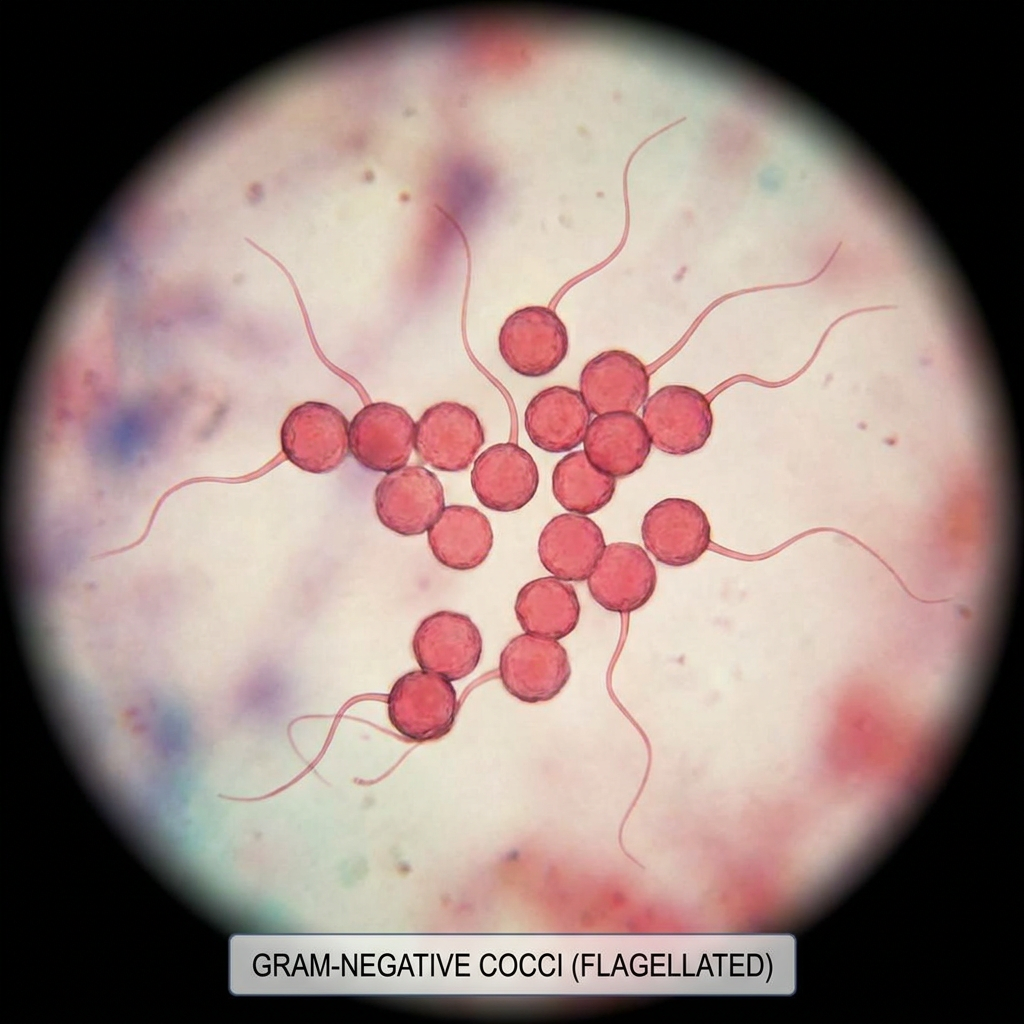
| Flagellar presence | Yes |
| Number of membranes | Not Available |
| Ecology, Host, and Life Cycle | |
|---|---|
| Oxygen requirements | Not Available |
| Optimal temperature | Not Available |
| Temperature range | Not Available |
| Habitat | Not Available |
| Biotic relationship | Not Available |
| Host(s) | Not Available |
| Cell arrangement | Not Available |
| Sporulation | Not Available |
| Energy source | Not Available |
| Pathogenicity | Not Available |
Gene Summary
Adenine Count
900787 bp
Thymine Count
893662 bp
Guanine Count
1505204 bp
Cytosine Count
1526505 bp
Genome Length
4827503 bp
Protein-coding Genes
4448 genes
Non-Coding Genes
58 genes
# of Chromosomes/Plasmids
1
Genes
| Name | Locus Tag | UniProt ID | Strand Orientation | Gene Start/End | Protein Molecular Weight |
|---|---|---|---|---|---|
| adp-glyceromanno-heptose 6-epimerase precursor | SAMN05216350_10757 | Not Available | Positive | 3248856 - 3249863 | 36783.2 |
| competence protein comea | SAMN05216350_10758 | Not Available | Positive | 3250013 - 3250699 | 23280.8 |
| uncharacterized damage-inducible protein dinb (forms a four-helix bundle) | SAMN05216350_10759 | Not Available | Negative | 3250781 - 3251326 | 20675.6 |
| arac-type dna-binding protein | SAMN05216350_10760 | Not Available | Positive | 3251445 - 3252323 | 31083.4 |
| nad(p)-dependent dehydrogenase, short-chain alcohol dehydrogenase family | SAMN05216350_10761 | Not Available | Positive | 3252373 - 3253287 | 32764.0 |
| 5-oxoprolinase (atp-hydrolysing) | SAMN05216350_10762 | Not Available | Negative | 3253298 - 3256909 | 129912.0 |
| predicted transcription regulator, contains hth domain, marr family | SAMN05216350_10763 | Not Available | Negative | 3256933 - 3257493 | 20472.6 |
| trap-type c4-dicarboxylate transport system, substrate-binding protein | SAMN05216350_10764 | Not Available | Positive | 3257726 - 3258709 | 35403.6 |
| trap-type mannitol/chloroaromatic compound transport system, small permease component | SAMN05216350_10765 | Not Available | Positive | 3258713 - 3259246 | 19422.9 |
| trap transporter, dctm subunit | SAMN05216350_10766 | Not Available | Positive | 3259411 - 3260706 | 46422.6 |
Pathways
0 pathways
No pathways found
No metabolic pathways have been associated with this bacterium yet.
Health Effects
No health effects information available for this bacterium.