Kingdom
Pseudomonadati
Phylum
Pseudomonadota
Class
Betaproteobacteria
Order
Burkholderiales
Family
Comamonadaceae
Genus
Polaromonas
Description
Taxonomy
| Kingdom | Pseudomonadati |
|---|---|
| Phylum | Pseudomonadota |
| Class | Betaproteobacteria |
| Order | Burkholderiales |
| Family | Comamonadaceae |
| Genus | Polaromonas |
| Species | Polaromonas sp. YR568 |
| Strain | No strain |
Profile
| Physiology | |
|---|---|
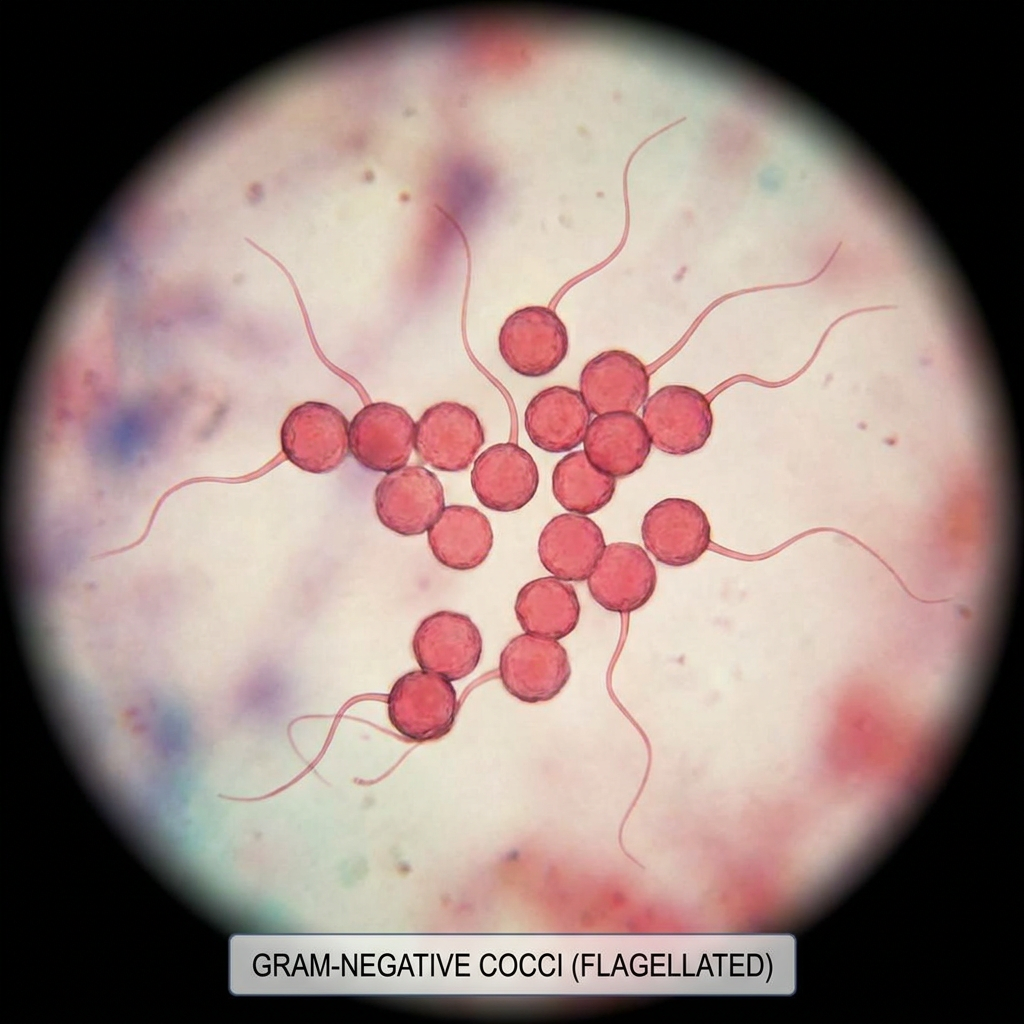
| Gram staining properties | Negative |
| Shape | Not Available |
| Mobility | Not Available |
| Flagellar presence | Yes |
| Number of membranes | Not Available |
| Ecology, Host, and Life Cycle | |
|---|---|
| Oxygen requirements | Not Available |
| Optimal temperature | Not Available |
| Temperature range | Not Available |
| Habitat | Not Available |
| Biotic relationship | Not Available |
| Host(s) | Not Available |
| Cell arrangement | Not Available |
| Sporulation | Not Available |
| Energy source | Not Available |
| Pathogenicity | Not Available |
Gene Summary
Adenine Count
900787 bp
Thymine Count
893662 bp
Guanine Count
1505204 bp
Cytosine Count
1526505 bp
Genome Length
4827503 bp
Protein-coding Genes
4448 genes
Non-Coding Genes
58 genes
# of Chromosomes/Plasmids
1
Genes
| Name | Locus Tag | UniProt ID | Strand Orientation | Gene Start/End | Protein Molecular Weight |
|---|---|---|---|---|---|
| protein of unknown function | SAMN05216350_10737 | Not Available | Positive | 3227860 - 3228501 | 24221.9 |
| outer membrane protein ompa | SAMN05216350_10738 | Not Available | Positive | 3228644 - 3229819 | 42855.0 |
| membrane-associated enzyme, pap2 (acid phosphatase) superfamily | SAMN05216350_10739 | Not Available | Negative | 3229876 - 3230577 | 25251.7 |
| two-component system, ompr family, response regulator | SAMN05216350_10740 | Not Available | Positive | 3230766 - 3231446 | 24766.8 |
| two-component system, ompr family, sensor histidine kinase qsec | SAMN05216350_10741 | Not Available | Positive | 3231443 - 3232801 | 48849.5 |
| Tmrna,resume consensus sequence (at 84): actaactgcaaacgacga | Not Available | Not Available | Positive | 3232937 - 3233323 | Not Available |
| phosphoglycolate phosphatase | SAMN05216350_10743 | Not Available | Negative | 3233336 - 3234001 | 23477.2 |
| 3-demethylubiquinone-9 3-methyltransferase | SAMN05216350_10744 | Not Available | Negative | 3234095 - 3234802 | 25766.0 |
| ompa-ompf porin, oop family | SAMN05216350_10745 | Not Available | Negative | 3234869 - 3235510 | 22238.4 |
| dna gyrase subunit a | SAMN05216350_10746 | Not Available | Positive | 3235763 - 3238411 | 98083.6 |
Pathways
0 pathways
No pathways found
No metabolic pathways have been associated with this bacterium yet.
Health Effects
No health effects information available for this bacterium.