Kingdom
Pseudomonadati
Phylum
Pseudomonadota
Class
Betaproteobacteria
Order
Burkholderiales
Family
Comamonadaceae
Genus
Polaromonas
Description
Taxonomy
| Kingdom | Pseudomonadati |
|---|---|
| Phylum | Pseudomonadota |
| Class | Betaproteobacteria |
| Order | Burkholderiales |
| Family | Comamonadaceae |
| Genus | Polaromonas |
| Species | Polaromonas sp. YR568 |
| Strain | No strain |
Profile
| Physiology | |
|---|---|
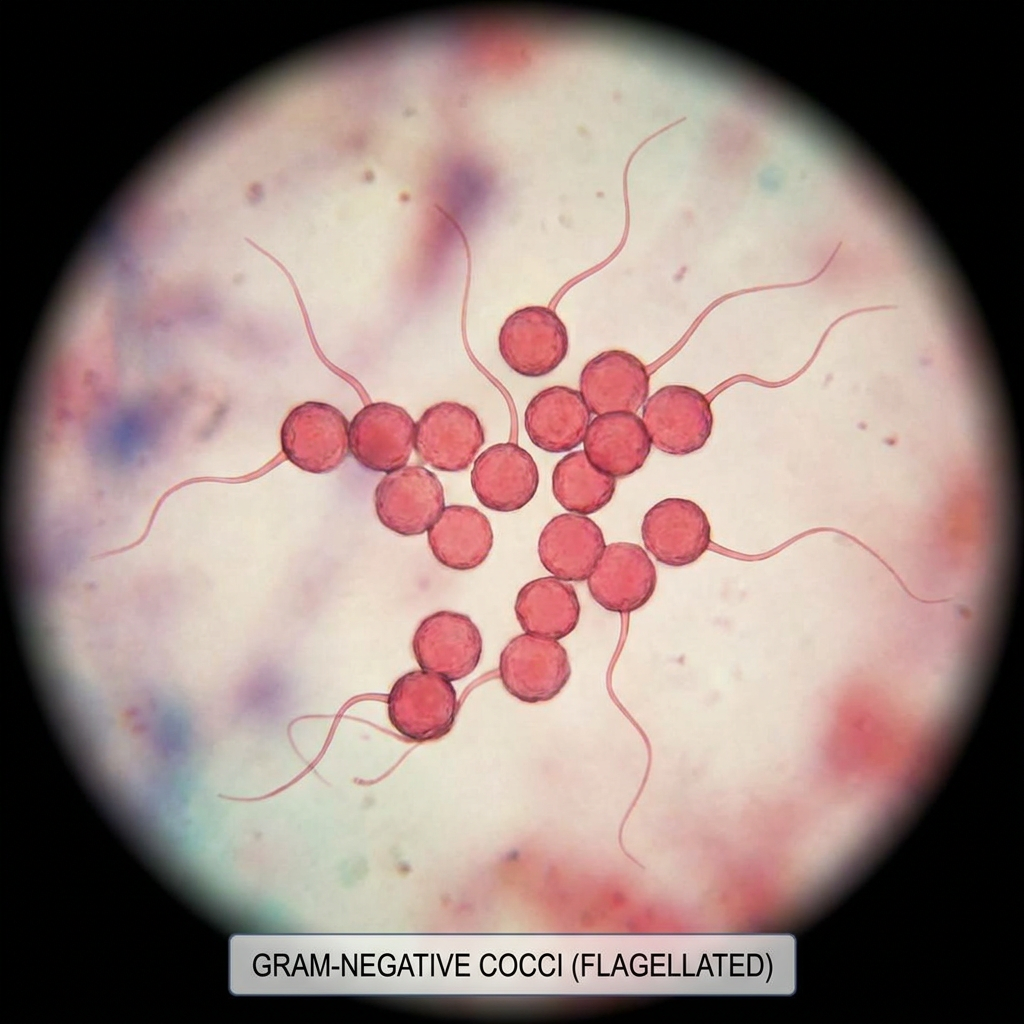
| Gram staining properties | Negative |
| Shape | Not Available |
| Mobility | Not Available |
| Flagellar presence | Yes |
| Number of membranes | Not Available |
| Ecology, Host, and Life Cycle | |
|---|---|
| Oxygen requirements | Not Available |
| Optimal temperature | Not Available |
| Temperature range | Not Available |
| Habitat | Not Available |
| Biotic relationship | Not Available |
| Host(s) | Not Available |
| Cell arrangement | Not Available |
| Sporulation | Not Available |
| Energy source | Not Available |
| Pathogenicity | Not Available |
Gene Summary
Adenine Count
900787 bp
Thymine Count
893662 bp
Guanine Count
1505204 bp
Cytosine Count
1526505 bp
Genome Length
4827503 bp
Protein-coding Genes
4448 genes
Non-Coding Genes
58 genes
# of Chromosomes/Plasmids
1
Genes
| Name | Locus Tag | UniProt ID | Strand Orientation | Gene Start/End | Protein Molecular Weight |
|---|---|---|---|---|---|
| hypothetical protein | SAMN05216350_106157 | Not Available | Negative | 3046274 - 3046570 | 11167.4 |
| hypothetical protein | SAMN05216350_106158 | Not Available | Negative | 3046627 - 3046833 | 7625.24 |
| cubico group peptidase, beta-lactamase class c family | SAMN05216350_106159 | Not Available | Negative | 3046867 - 3048102 | 43408.6 |
| hypothetical protein | SAMN05216350_106160 | Not Available | Negative | 3048169 - 3048339 | 6308.08 |
| threonine/homoserine efflux transporter rhta | SAMN05216350_106161 | Not Available | Negative | 3048348 - 3049280 | 32748.3 |
| methylated-dna-[protein]-cysteine s-methyltransferase | SAMN05216350_106162 | Not Available | Negative | 3049277 - 3049801 | 18858.7 |
| dna-3-methyladenine glycosylase ii | SAMN05216350_106163 | Not Available | Negative | 3050083 - 3051591 | 55117.1 |
| phosphomannomutase | SAMN05216350_106164 | Not Available | Positive | 3051822 - 3053207 | 49222.3 |
| heptosyltransferase-1 | SAMN05216350_106165 | Not Available | Positive | 3053287 - 3054321 | 36574.9 |
| 3-deoxy-d-manno-octulosonic-acid transferase | SAMN05216350_106166 | Not Available | Positive | 3054318 - 3055703 | 49540.2 |
Pathways
0 pathways
No pathways found
No metabolic pathways have been associated with this bacterium yet.
Health Effects
No health effects information available for this bacterium.