Kingdom
Pseudomonadati
Phylum
Pseudomonadota
Class
Betaproteobacteria
Order
Burkholderiales
Family
Comamonadaceae
Genus
Polaromonas
Description
Taxonomy
| Kingdom | Pseudomonadati |
|---|---|
| Phylum | Pseudomonadota |
| Class | Betaproteobacteria |
| Order | Burkholderiales |
| Family | Comamonadaceae |
| Genus | Polaromonas |
| Species | Polaromonas sp. YR568 |
| Strain | No strain |
Profile
| Physiology | |
|---|---|
| Gram staining properties | Negative |
| Shape | Not Available |
| Mobility | Not Available |
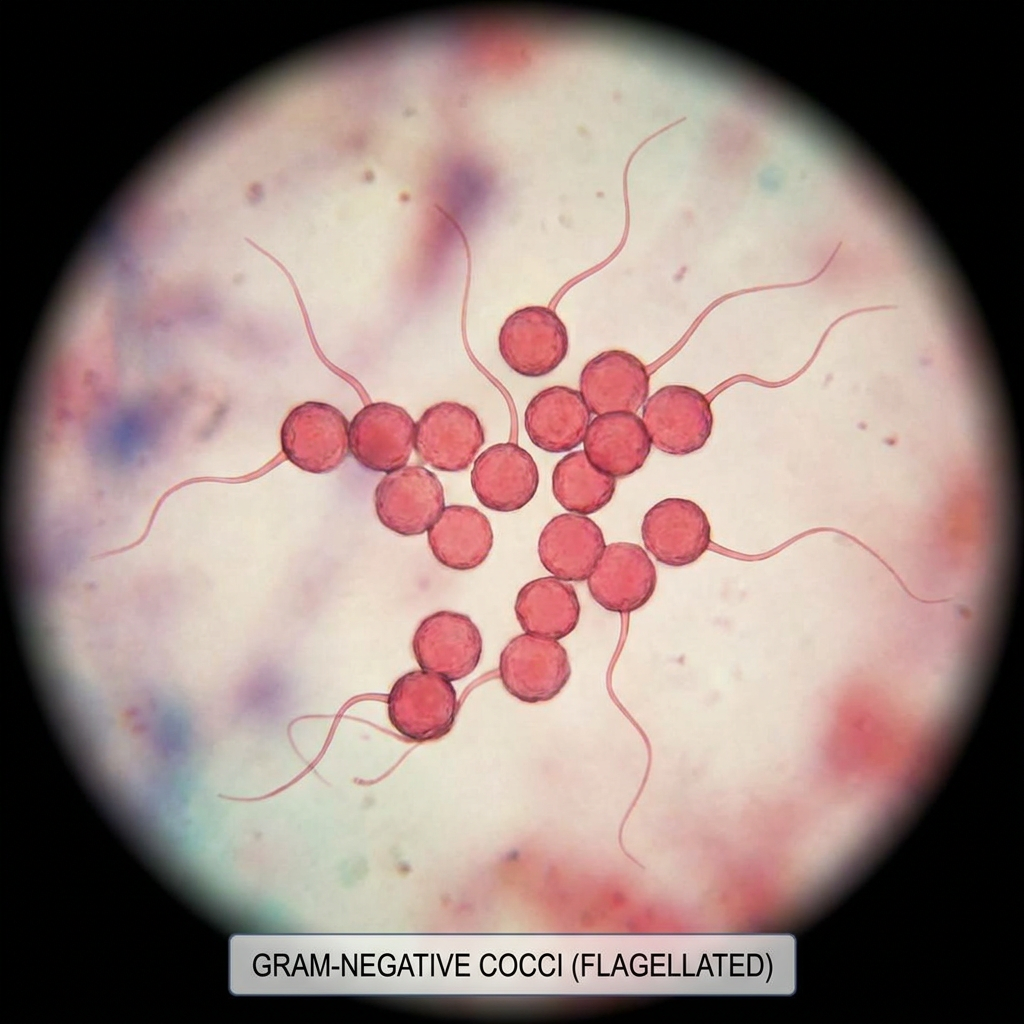
| Flagellar presence | Yes |
| Number of membranes | Not Available |
| Ecology, Host, and Life Cycle | |
|---|---|
| Oxygen requirements | Not Available |
| Optimal temperature | Not Available |
| Temperature range | Not Available |
| Habitat | Not Available |
| Biotic relationship | Not Available |
| Host(s) | Not Available |
| Cell arrangement | Not Available |
| Sporulation | Not Available |
| Energy source | Not Available |
| Pathogenicity | Not Available |
Gene Summary
Adenine Count
900787 bp
Thymine Count
893662 bp
Guanine Count
1505204 bp
Cytosine Count
1526505 bp
Genome Length
4827503 bp
Protein-coding Genes
4448 genes
Non-Coding Genes
58 genes
# of Chromosomes/Plasmids
1
Genes
| Name | Locus Tag | UniProt ID | Strand Orientation | Gene Start/End | Protein Molecular Weight |
|---|---|---|---|---|---|
| transcriptional regulator, lysr family | SAMN05216350_105205 | Not Available | Positive | 2745123 - 2746022 | 32730.3 |
| carbonic anhydrase | SAMN05216350_105206 | Not Available | Positive | 2746326 - 2747108 | 27435.4 |
| protein of unknown function | SAMN05216350_105207 | Not Available | Positive | 2747313 - 2747873 | 19534.4 |
| trypsin-like peptidase domain-containing protein | SAMN05216350_105208 | Not Available | Positive | 2747913 - 2749127 | 43781.2 |
| glycolate oxidase | SAMN05216350_105209 | Not Available | Positive | 2749266 - 2750768 | 53628.6 |
| holin-like protein | SAMN05216350_105210 | Not Available | Positive | 2750817 - 2751188 | 12871.3 |
| tigr00659 family protein | SAMN05216350_105211 | Not Available | Positive | 2751181 - 2751906 | 24970.1 |
| protein ccma, bactofilin family | SAMN05216350_105212 | Not Available | Negative | 2752028 - 2752585 | 18947.6 |
| methylated-dna-[protein]-cysteine s-methyltransferase | SAMN05216350_105213 | Not Available | Positive | 2752925 - 2753503 | 20503.8 |
| glutathione s-transferase | SAMN05216350_105214 | Not Available | Positive | 2753545 - 2754225 | 25299.1 |
Pathways
0 pathways
No pathways found
No metabolic pathways have been associated with this bacterium yet.
Health Effects
No health effects information available for this bacterium.