Kingdom
Pseudomonadati
Phylum
Pseudomonadota
Class
Betaproteobacteria
Order
Burkholderiales
Family
Comamonadaceae
Genus
Polaromonas
Description
Taxonomy
| Kingdom | Pseudomonadati |
|---|---|
| Phylum | Pseudomonadota |
| Class | Betaproteobacteria |
| Order | Burkholderiales |
| Family | Comamonadaceae |
| Genus | Polaromonas |
| Species | Polaromonas sp. YR568 |
| Strain | No strain |
Profile
| Physiology | |
|---|---|
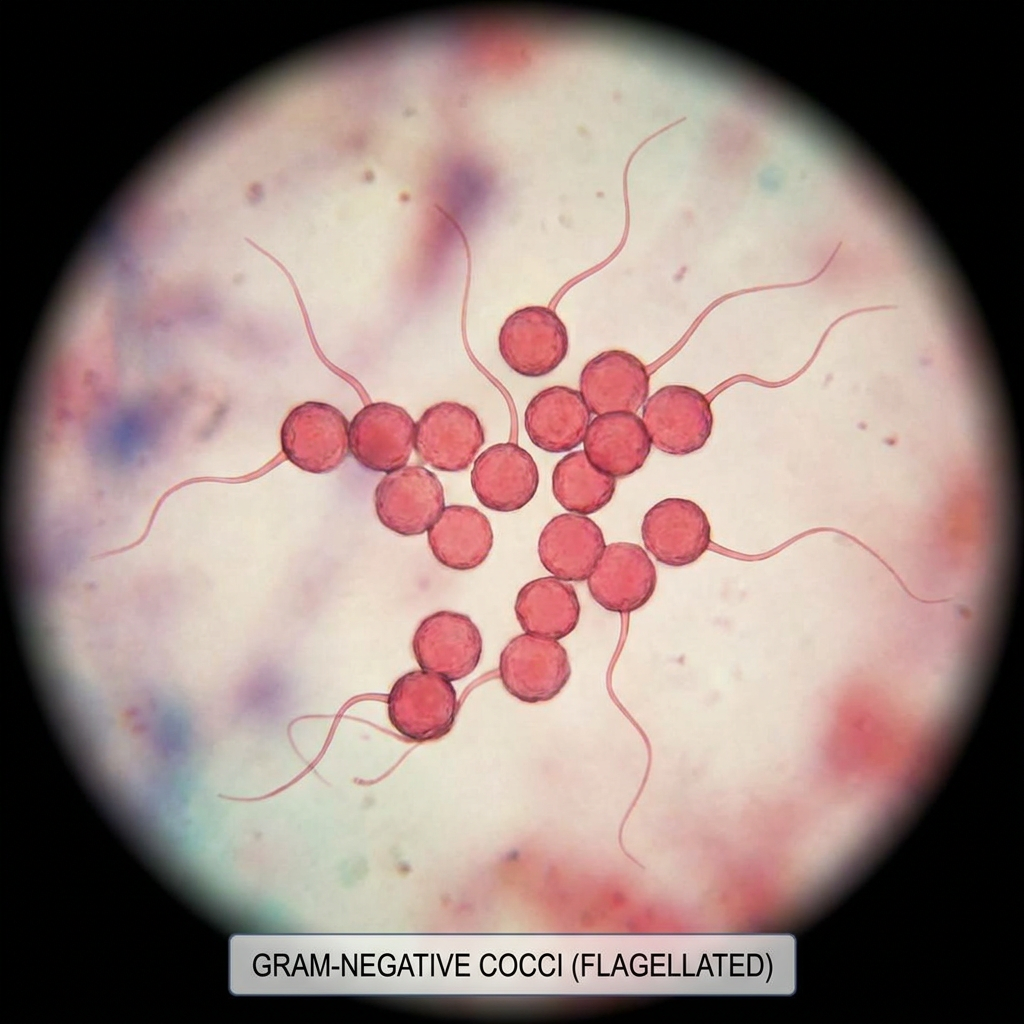
| Gram staining properties | Negative |
| Shape | Not Available |
| Mobility | Not Available |
| Flagellar presence | Yes |
| Number of membranes | Not Available |
| Ecology, Host, and Life Cycle | |
|---|---|
| Oxygen requirements | Not Available |
| Optimal temperature | Not Available |
| Temperature range | Not Available |
| Habitat | Not Available |
| Biotic relationship | Not Available |
| Host(s) | Not Available |
| Cell arrangement | Not Available |
| Sporulation | Not Available |
| Energy source | Not Available |
| Pathogenicity | Not Available |
Gene Summary
Adenine Count
900787 bp
Thymine Count
893662 bp
Guanine Count
1505204 bp
Cytosine Count
1526505 bp
Genome Length
4827503 bp
Protein-coding Genes
4448 genes
Non-Coding Genes
58 genes
# of Chromosomes/Plasmids
1
Genes
| Name | Locus Tag | UniProt ID | Strand Orientation | Gene Start/End | Protein Molecular Weight |
|---|---|---|---|---|---|
| atp-dependent rna helicase dbpa | SAMN05216350_10555 | Not Available | Negative | 2597602 - 2599026 | 51556.3 |
| short chain enoyl-coa hydratase | SAMN05216350_10556 | Not Available | Negative | 2599063 - 2599848 | 28064.0 |
| protein of unknown function | SAMN05216350_10557 | Not Available | Negative | 2599842 - 2600120 | 9675.71 |
| transcriptional regulator, lysr family | SAMN05216350_10558 | Not Available | Positive | 2600171 - 2601139 | 34929.2 |
| hypothetical protein | SAMN05216350_10559 | Not Available | Negative | 2601172 - 2602128 | 34621.3 |
| glutathione s-transferase | SAMN05216350_10560 | Not Available | Negative | 2602125 - 2602778 | 23412.2 |
| transcriptional regulator, lysr family | SAMN05216350_10561 | Not Available | Positive | 2602928 - 2603818 | 32798.0 |
| nadph-glutathione reductase | SAMN05216350_10562 | Not Available | Positive | 2603874 - 2605241 | 48687.6 |
| proteolipid membrane potential modulator | SAMN05216350_10563 | Not Available | Positive | 2605315 - 2605515 | 7452.45 |
| fha domain-containing protein | SAMN05216350_10564 | Not Available | Negative | 2605537 - 2606541 | 36026.1 |
Pathways
0 pathways
No pathways found
No metabolic pathways have been associated with this bacterium yet.
Health Effects
No health effects information available for this bacterium.