Kingdom
Pseudomonadati
Phylum
Pseudomonadota
Class
Betaproteobacteria
Order
Burkholderiales
Family
Comamonadaceae
Genus
Polaromonas
Description
Taxonomy
| Kingdom | Pseudomonadati |
|---|---|
| Phylum | Pseudomonadota |
| Class | Betaproteobacteria |
| Order | Burkholderiales |
| Family | Comamonadaceae |
| Genus | Polaromonas |
| Species | Polaromonas sp. YR568 |
| Strain | No strain |
Profile
| Physiology | |
|---|---|
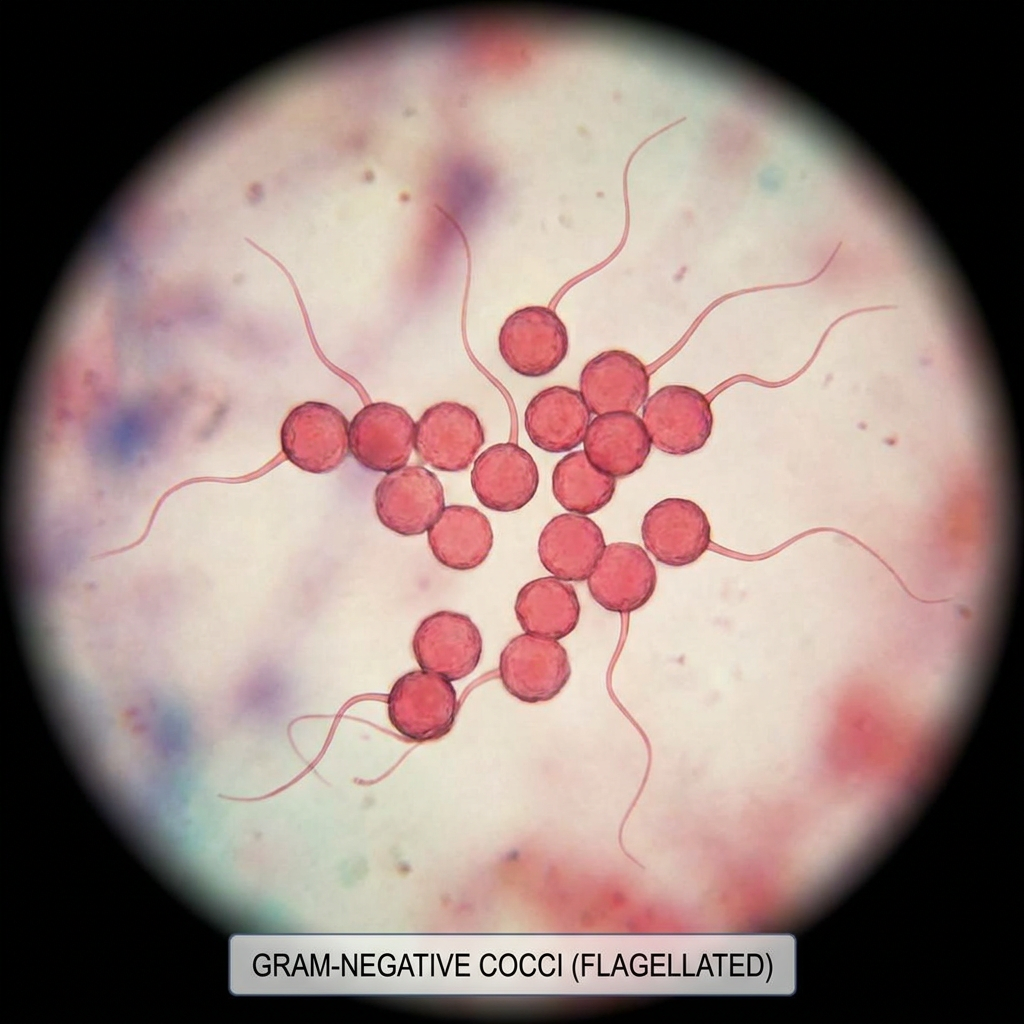
| Gram staining properties | Negative |
| Shape | Not Available |
| Mobility | Not Available |
| Flagellar presence | Yes |
| Number of membranes | Not Available |
| Ecology, Host, and Life Cycle | |
|---|---|
| Oxygen requirements | Not Available |
| Optimal temperature | Not Available |
| Temperature range | Not Available |
| Habitat | Not Available |
| Biotic relationship | Not Available |
| Host(s) | Not Available |
| Cell arrangement | Not Available |
| Sporulation | Not Available |
| Energy source | Not Available |
| Pathogenicity | Not Available |
Gene Summary
Adenine Count
900787 bp
Thymine Count
893662 bp
Guanine Count
1505204 bp
Cytosine Count
1526505 bp
Genome Length
4827503 bp
Protein-coding Genes
4448 genes
Non-Coding Genes
58 genes
# of Chromosomes/Plasmids
1
Genes
| Name | Locus Tag | UniProt ID | Strand Orientation | Gene Start/End | Protein Molecular Weight |
|---|---|---|---|---|---|
| hypothetical protein | SAMN05216350_10515 | Not Available | Negative | 2554349 - 2555056 | 25414.5 |
| trap transporter, dctm subunit | SAMN05216350_10516 | Not Available | Negative | 2555068 - 2556345 | 44425.1 |
| trap-type c4-dicarboxylate transport system, small permease component | SAMN05216350_10517 | Not Available | Negative | 2556342 - 2556914 | 20821.0 |
| 3-dehydroquinate dehydratase | SAMN05216350_10518 | Not Available | Negative | 2556916 - 2557374 | 16543.1 |
| tripartite atp-independent transporter solute receptor, dctp family | SAMN05216350_10519 | Not Available | Negative | 2557394 - 2558434 | 37892.9 |
| transcriptional regulator, iclr family | SAMN05216350_10520 | Not Available | Positive | 2558653 - 2559432 | 27717.8 |
| alpha-aspartyl dipeptidase. serine peptidase. merops family s51 | SAMN05216350_10521 | Not Available | Negative | 2559475 - 2560308 | 29652.8 |
| gntr family transcriptional regulator / mocr family aminotransferase | SAMN05216350_10522 | Not Available | Positive | 2560848 - 2562245 | 50914.8 |
| protein n-acetyltransferase, rimj/riml family | SAMN05216350_10523 | Not Available | Negative | 2562328 - 2562891 | 21282.5 |
| phenylpropionate dioxygenase, large terminal subunit | SAMN05216350_10524 | Not Available | Negative | 2563576 - 2564721 | 43387.1 |
Pathways
0 pathways
No pathways found
No metabolic pathways have been associated with this bacterium yet.
Health Effects
No health effects information available for this bacterium.