Kingdom
Pseudomonadati
Phylum
Pseudomonadota
Class
Betaproteobacteria
Order
Burkholderiales
Family
Comamonadaceae
Genus
Polaromonas
Description
Taxonomy
| Kingdom | Pseudomonadati |
|---|---|
| Phylum | Pseudomonadota |
| Class | Betaproteobacteria |
| Order | Burkholderiales |
| Family | Comamonadaceae |
| Genus | Polaromonas |
| Species | Polaromonas sp. YR568 |
| Strain | No strain |
Profile
| Physiology | |
|---|---|
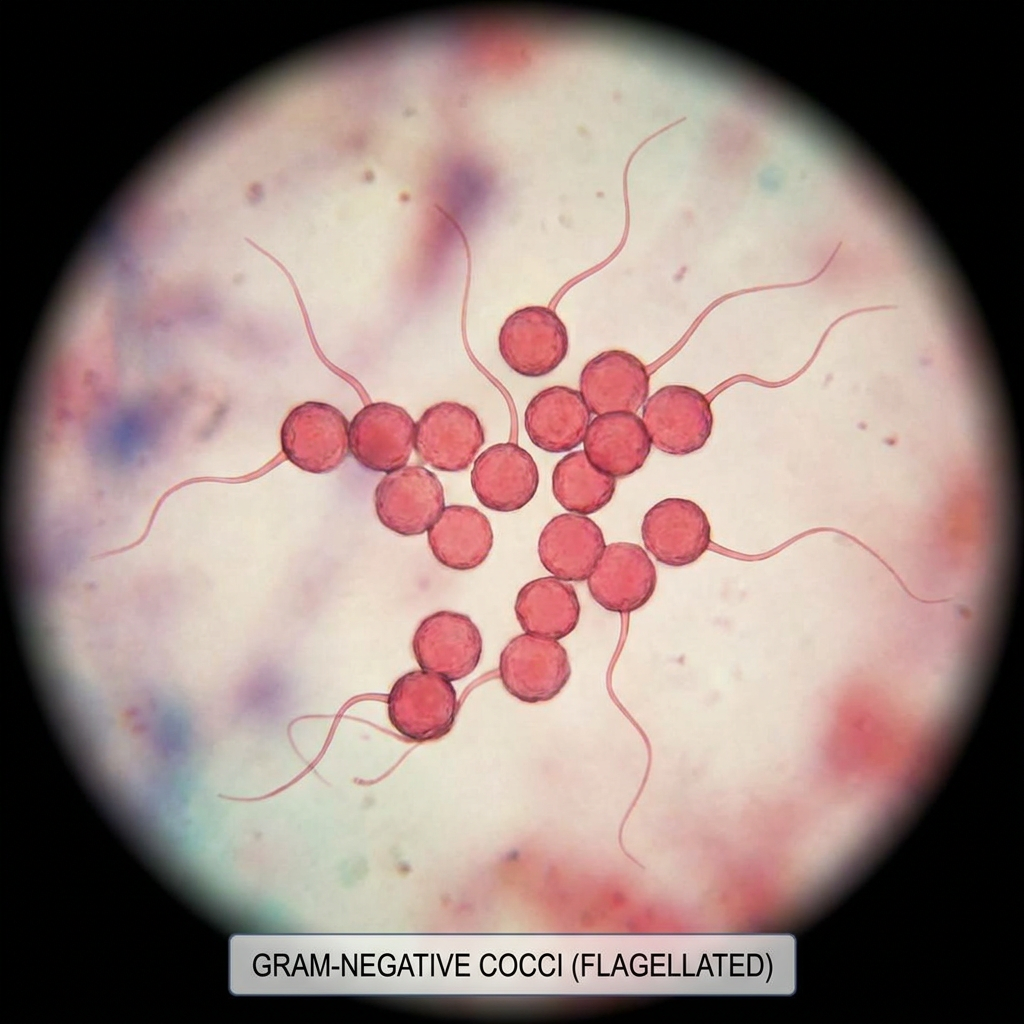
| Gram staining properties | Negative |
| Shape | Not Available |
| Mobility | Not Available |
| Flagellar presence | Yes |
| Number of membranes | Not Available |
| Ecology, Host, and Life Cycle | |
|---|---|
| Oxygen requirements | Not Available |
| Optimal temperature | Not Available |
| Temperature range | Not Available |
| Habitat | Not Available |
| Biotic relationship | Not Available |
| Host(s) | Not Available |
| Cell arrangement | Not Available |
| Sporulation | Not Available |
| Energy source | Not Available |
| Pathogenicity | Not Available |
Gene Summary
Adenine Count
900787 bp
Thymine Count
893662 bp
Guanine Count
1505204 bp
Cytosine Count
1526505 bp
Genome Length
4827503 bp
Protein-coding Genes
4448 genes
Non-Coding Genes
58 genes
# of Chromosomes/Plasmids
1
Genes
| Name | Locus Tag | UniProt ID | Strand Orientation | Gene Start/End | Protein Molecular Weight |
|---|---|---|---|---|---|
| signal transduction histidine kinase | SAMN05216350_104338 | Not Available | Negative | 2478231 - 2479451 | 44303.4 |
| two component transcriptional regulator, winged helix family | SAMN05216350_104339 | Not Available | Negative | 2479459 - 2480175 | 25892.2 |
| mfs transporter, pat family, beta-lactamase induction signal transducer ampg | SAMN05216350_104340 | Not Available | Negative | 2480369 - 2481718 | 48600.8 |
| zn-dependent protease with chaperone function | SAMN05216350_104341 | Not Available | Positive | 2481750 - 2482592 | 29893.9 |
| cbs domain-containing membrane protein | SAMN05216350_104342 | Not Available | Positive | 2482617 - 2483774 | 41639.1 |
| hpt domain-containing protein | SAMN05216350_104343 | Not Available | Positive | 2484068 - 2484409 | 12286.6 |
| multi-sensor hybrid histidine kinase | SAMN05216350_104344 | Not Available | Positive | 2484443 - 2487334 | 106225.0 |
| response regulator receiver domain-containing protein | SAMN05216350_104345 | Not Available | Positive | 2487349 - 2487732 | 13439.6 |
| exodeoxyribonuclease-3 | SAMN05216350_104346 | Not Available | Negative | 2487943 - 2488809 | 32550.4 |
| orotate phosphoribosyltransferase | SAMN05216350_104347 | Not Available | Positive | 2488820 - 2489569 | 26835.9 |
Pathways
0 pathways
No pathways found
No metabolic pathways have been associated with this bacterium yet.
Health Effects
No health effects information available for this bacterium.