Kingdom
Pseudomonadati
Phylum
Pseudomonadota
Class
Betaproteobacteria
Order
Burkholderiales
Family
Comamonadaceae
Genus
Polaromonas
Description
Taxonomy
| Kingdom | Pseudomonadati |
|---|---|
| Phylum | Pseudomonadota |
| Class | Betaproteobacteria |
| Order | Burkholderiales |
| Family | Comamonadaceae |
| Genus | Polaromonas |
| Species | Polaromonas sp. YR568 |
| Strain | No strain |
Profile
| Physiology | |
|---|---|
| Gram staining properties | Negative |
| Shape | Not Available |
| Mobility | Not Available |
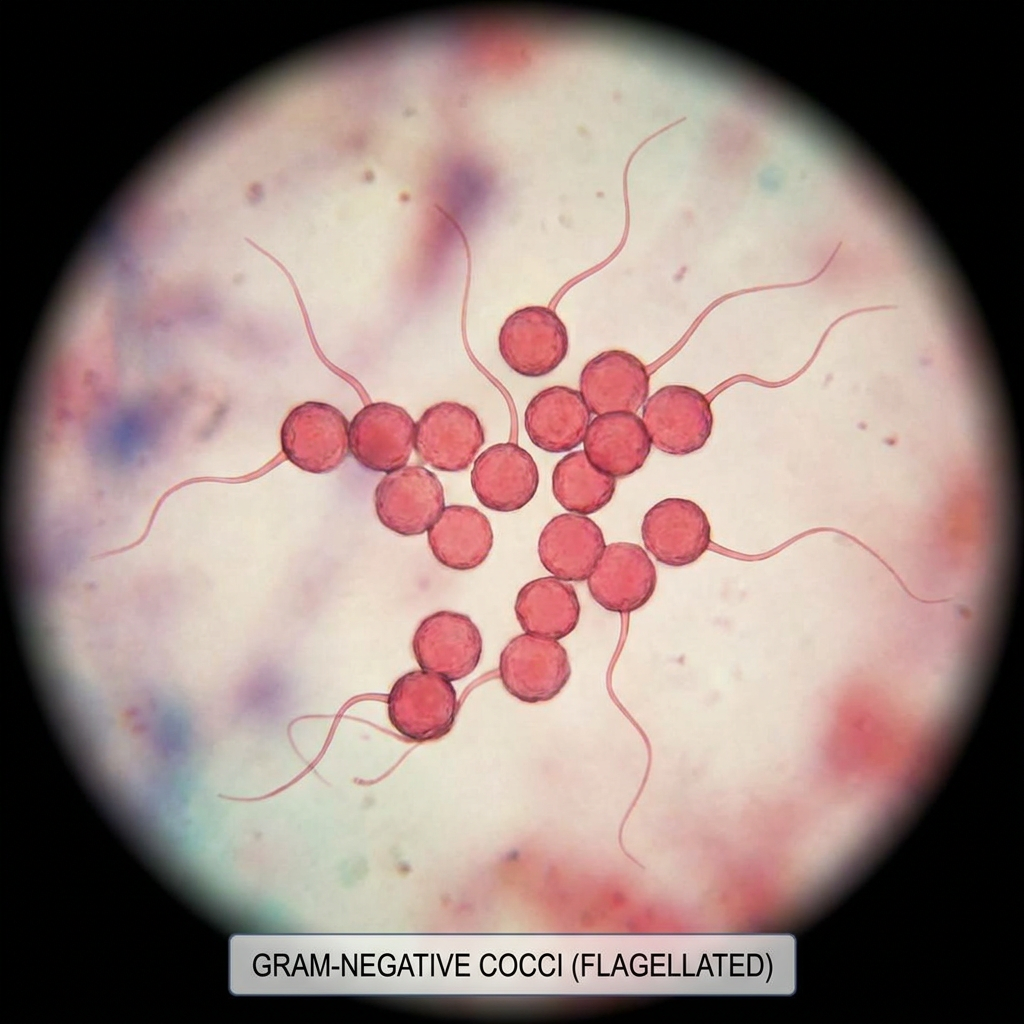
| Flagellar presence | Yes |
| Number of membranes | Not Available |
| Ecology, Host, and Life Cycle | |
|---|---|
| Oxygen requirements | Not Available |
| Optimal temperature | Not Available |
| Temperature range | Not Available |
| Habitat | Not Available |
| Biotic relationship | Not Available |
| Host(s) | Not Available |
| Cell arrangement | Not Available |
| Sporulation | Not Available |
| Energy source | Not Available |
| Pathogenicity | Not Available |
Gene Summary
Adenine Count
900787 bp
Thymine Count
893662 bp
Guanine Count
1505204 bp
Cytosine Count
1526505 bp
Genome Length
4827503 bp
Protein-coding Genes
4448 genes
Non-Coding Genes
58 genes
# of Chromosomes/Plasmids
1
Genes
| Name | Locus Tag | UniProt ID | Strand Orientation | Gene Start/End | Protein Molecular Weight |
|---|---|---|---|---|---|
| pas domain s-box-containing protein | SAMN05216350_104277 | Not Available | Negative | 2418232 - 2419740 | 56046.0 |
| hypothetical protein | SAMN05216350_104278 | Not Available | Positive | 2419998 - 2420171 | 6270.62 |
| transcriptional regulator, lysr family | SAMN05216350_104279 | Not Available | Negative | 2420214 - 2421170 | 35357.7 |
| hypothetical protein | SAMN05216350_104280 | Not Available | Positive | 2421362 - 2422021 | 22795.5 |
| phosphoenolpyruvate carboxykinase (gtp) | SAMN05216350_104281 | Not Available | Negative | 2422169 - 2424061 | 69159.7 |
| hypothetical protein | SAMN05216350_104282 | Not Available | Negative | 2424558 - 2424722 | 5677.97 |
| hypothetical protein | SAMN05216350_104283 | Not Available | Positive | 2424870 - 2425352 | 15619.3 |
| l-threonine ammonia-lyase | SAMN05216350_104284 | Not Available | Negative | 2425373 - 2426575 | 42303.5 |
| aaa+-type atpase, spovk/ycf46/vps4 family | SAMN05216350_104285 | Not Available | Positive | 2426839 - 2429202 | 87444.1 |
| succinate dehydrogenase/fumarate reductase, flavoprotein subunit | SAMN05216350_104286 | Not Available | Positive | 2429366 - 2431018 | 58253.5 |
Pathways
0 pathways
No pathways found
No metabolic pathways have been associated with this bacterium yet.
Health Effects
No health effects information available for this bacterium.