Kingdom
Pseudomonadati
Phylum
Pseudomonadota
Class
Betaproteobacteria
Order
Burkholderiales
Family
Comamonadaceae
Genus
Polaromonas
Description
Taxonomy
| Kingdom | Pseudomonadati |
|---|---|
| Phylum | Pseudomonadota |
| Class | Betaproteobacteria |
| Order | Burkholderiales |
| Family | Comamonadaceae |
| Genus | Polaromonas |
| Species | Polaromonas sp. YR568 |
| Strain | No strain |
Profile
| Physiology | |
|---|---|
| Gram staining properties | Negative |
| Shape | Not Available |
| Mobility | Not Available |
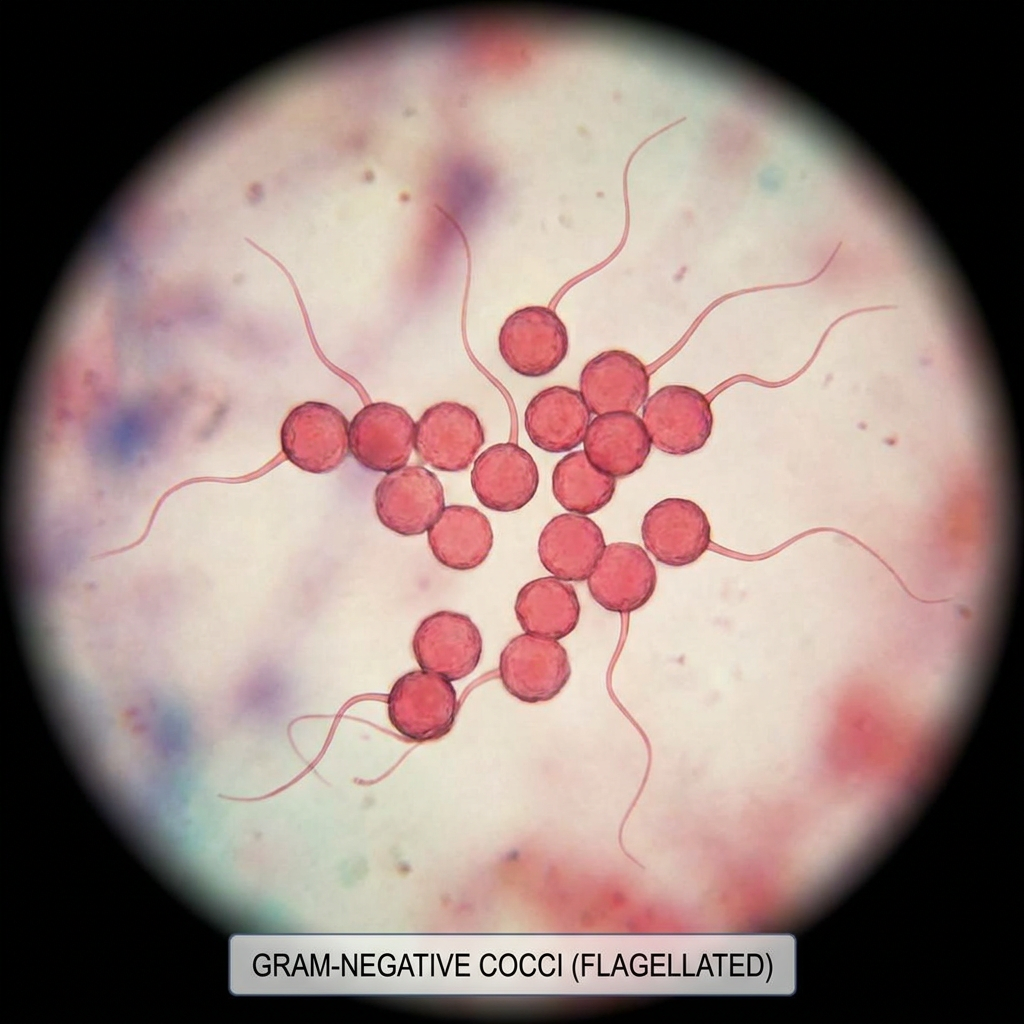
| Flagellar presence | Yes |
| Number of membranes | Not Available |
| Ecology, Host, and Life Cycle | |
|---|---|
| Oxygen requirements | Not Available |
| Optimal temperature | Not Available |
| Temperature range | Not Available |
| Habitat | Not Available |
| Biotic relationship | Not Available |
| Host(s) | Not Available |
| Cell arrangement | Not Available |
| Sporulation | Not Available |
| Energy source | Not Available |
| Pathogenicity | Not Available |
Gene Summary
Adenine Count
900787 bp
Thymine Count
893662 bp
Guanine Count
1505204 bp
Cytosine Count
1526505 bp
Genome Length
4827503 bp
Protein-coding Genes
4448 genes
Non-Coding Genes
58 genes
# of Chromosomes/Plasmids
1
Genes
| Name | Locus Tag | UniProt ID | Strand Orientation | Gene Start/End | Protein Molecular Weight |
|---|---|---|---|---|---|
| hypothetical protein | SAMN05216350_104217 | Not Available | Positive | 2357522 - 2357854 | 11911.0 |
| amino acid/amide abc transporter substrate-binding protein, haat family (tc 3.a.1.4.-) | SAMN05216350_104218 | Not Available | Positive | 2358074 - 2359225 | 39724.3 |
| uracil-xanthine permease | SAMN05216350_104219 | Not Available | Negative | 2359318 - 2360604 | 43995.2 |
| alpha/beta hydrolase family protein | SAMN05216350_104220 | Not Available | Negative | 2360675 - 2361559 | 32036.8 |
| transcriptional regulator, tetr family | SAMN05216350_104221 | Not Available | Negative | 2361789 - 2362409 | 22833.4 |
| hypothetical protein | SAMN05216350_104222 | Not Available | Positive | 2362575 - 2363351 | 28264.2 |
| ribonuclease hi | SAMN05216350_104223 | Not Available | Negative | 2363366 - 2363809 | 15990.3 |
| transcriptional regulator, lysr family | SAMN05216350_104224 | Not Available | Negative | 2363819 - 2364757 | 34297.4 |
| uncharacterized conserved protein ybjt, contains nad(p)-binding and duf2867 domains | SAMN05216350_104225 | Not Available | Positive | 2364867 - 2365712 | 30245.7 |
| acetoacetyl-coa synthetase | SAMN05216350_104226 | Not Available | Positive | 2365795 - 2367813 | 73283.5 |
Pathways
0 pathways
No pathways found
No metabolic pathways have been associated with this bacterium yet.
Health Effects
No health effects information available for this bacterium.