Kingdom
Pseudomonadati
Phylum
Pseudomonadota
Class
Betaproteobacteria
Order
Burkholderiales
Family
Comamonadaceae
Genus
Polaromonas
Description
Taxonomy
| Kingdom | Pseudomonadati |
|---|---|
| Phylum | Pseudomonadota |
| Class | Betaproteobacteria |
| Order | Burkholderiales |
| Family | Comamonadaceae |
| Genus | Polaromonas |
| Species | Polaromonas sp. YR568 |
| Strain | No strain |
Profile
| Physiology | |
|---|---|
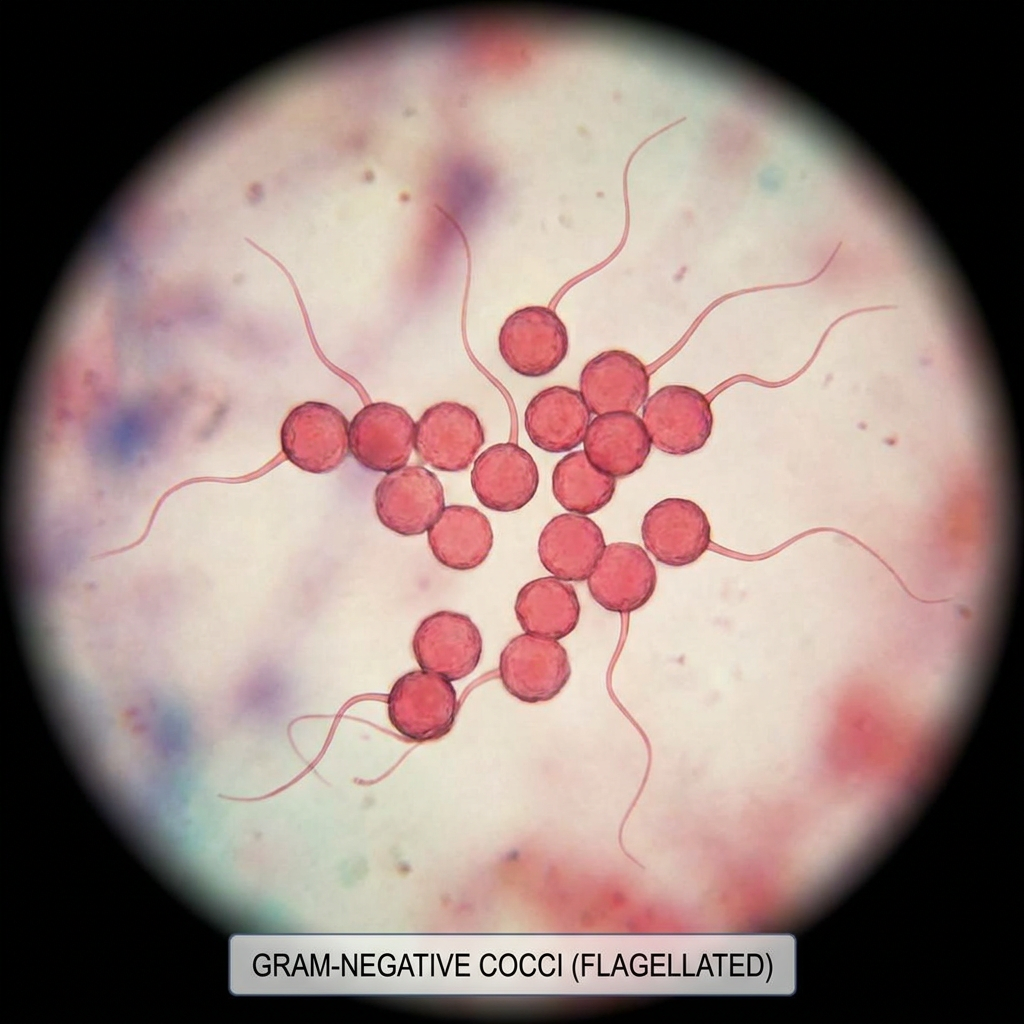
| Gram staining properties | Negative |
| Shape | Not Available |
| Mobility | Not Available |
| Flagellar presence | Yes |
| Number of membranes | Not Available |
| Ecology, Host, and Life Cycle | |
|---|---|
| Oxygen requirements | Not Available |
| Optimal temperature | Not Available |
| Temperature range | Not Available |
| Habitat | Not Available |
| Biotic relationship | Not Available |
| Host(s) | Not Available |
| Cell arrangement | Not Available |
| Sporulation | Not Available |
| Energy source | Not Available |
| Pathogenicity | Not Available |
Gene Summary
Adenine Count
900787 bp
Thymine Count
893662 bp
Guanine Count
1505204 bp
Cytosine Count
1526505 bp
Genome Length
4827503 bp
Protein-coding Genes
4448 genes
Non-Coding Genes
58 genes
# of Chromosomes/Plasmids
1
Genes
| Name | Locus Tag | UniProt ID | Strand Orientation | Gene Start/End | Protein Molecular Weight |
|---|---|---|---|---|---|
| glutathione s-transferase | SAMN05216350_104187 | Not Available | Negative | 2332954 - 2333562 | 22297.9 |
| asma family protein | SAMN05216350_104188 | Not Available | Positive | 2333695 - 2335047 | 46425.3 |
| protein of unknown function | SAMN05216350_104189 | Not Available | Positive | 2335225 - 2335410 | 6076.11 |
| hypothetical protein | SAMN05216350_104190 | Not Available | Positive | 2335411 - 2335737 | 11980.5 |
| transglutaminase-like enzyme, putative cysteine protease | SAMN05216350_104191 | Not Available | Positive | 2335757 - 2336602 | 31717.1 |
| bile acid:na+ symporter, bass family | SAMN05216350_104192 | Not Available | Negative | 2336599 - 2337477 | 30613.9 |
| ribulose-5-phosphate 4-epimerase/fuculose-1-phosphate aldolase | SAMN05216350_104193 | Not Available | Negative | 2337474 - 2338244 | 27883.5 |
| camp-binding domain of crp or a regulatory subunit of camp-dependent protein kinases | SAMN05216350_104194 | Not Available | Positive | 2338391 - 2339068 | 24154.8 |
| hypothetical protein | SAMN05216350_104195 | Not Available | Negative | 2339071 - 2339334 | 8993.94 |
| tripartite-type tricarboxylate transporter, receptor component tctc | SAMN05216350_104196 | Not Available | Negative | 2339375 - 2340385 | 35413.5 |
Pathways
0 pathways
No pathways found
No metabolic pathways have been associated with this bacterium yet.
Health Effects
No health effects information available for this bacterium.