Kingdom
Pseudomonadati
Phylum
Pseudomonadota
Class
Betaproteobacteria
Order
Burkholderiales
Family
Comamonadaceae
Genus
Polaromonas
Description
Taxonomy
| Kingdom | Pseudomonadati |
|---|---|
| Phylum | Pseudomonadota |
| Class | Betaproteobacteria |
| Order | Burkholderiales |
| Family | Comamonadaceae |
| Genus | Polaromonas |
| Species | Polaromonas sp. YR568 |
| Strain | No strain |
Profile
| Physiology | |
|---|---|
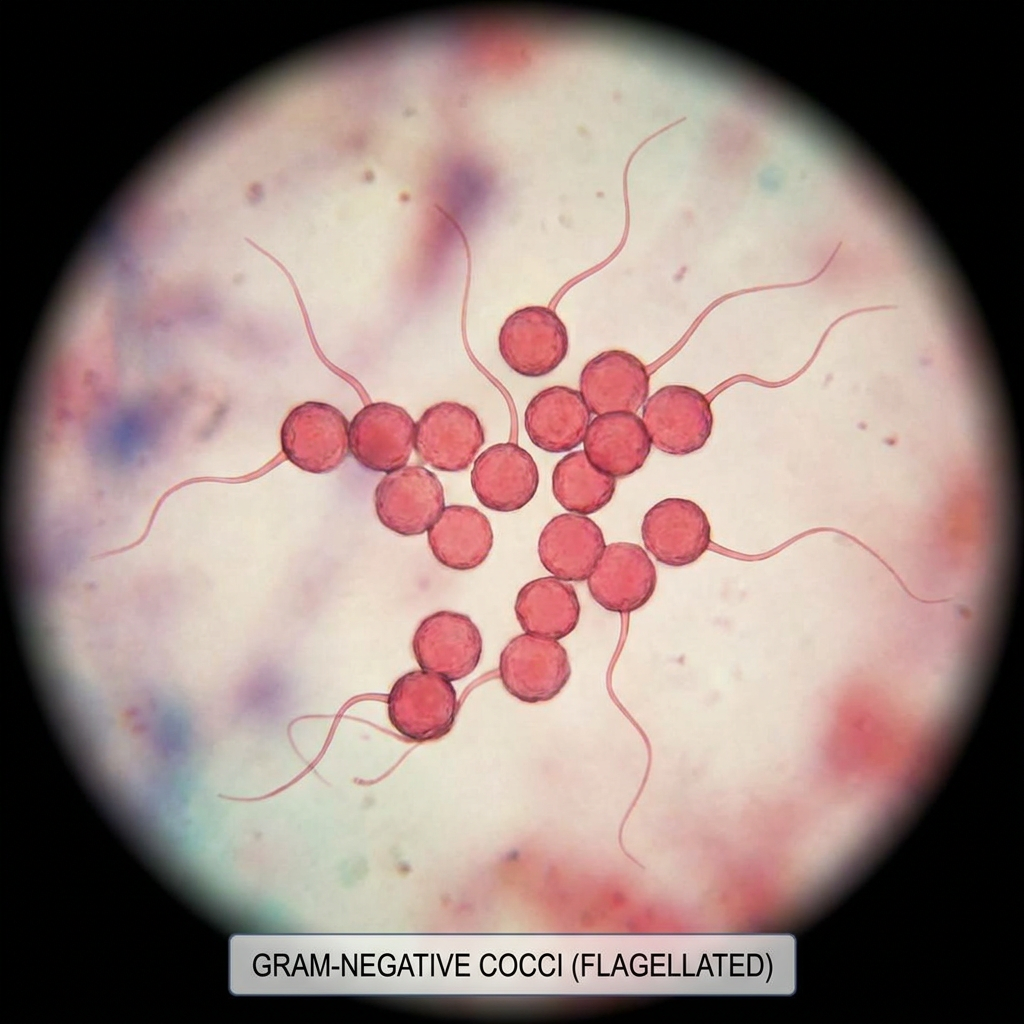
| Gram staining properties | Negative |
| Shape | Not Available |
| Mobility | Not Available |
| Flagellar presence | Yes |
| Number of membranes | Not Available |
| Ecology, Host, and Life Cycle | |
|---|---|
| Oxygen requirements | Not Available |
| Optimal temperature | Not Available |
| Temperature range | Not Available |
| Habitat | Not Available |
| Biotic relationship | Not Available |
| Host(s) | Not Available |
| Cell arrangement | Not Available |
| Sporulation | Not Available |
| Energy source | Not Available |
| Pathogenicity | Not Available |
Gene Summary
Adenine Count
900787 bp
Thymine Count
893662 bp
Guanine Count
1505204 bp
Cytosine Count
1526505 bp
Genome Length
4827503 bp
Protein-coding Genes
4448 genes
Non-Coding Genes
58 genes
# of Chromosomes/Plasmids
1
Genes
| Name | Locus Tag | UniProt ID | Strand Orientation | Gene Start/End | Protein Molecular Weight |
|---|---|---|---|---|---|
| thiamine-phosphate diphosphorylase | SAMN05216350_104177 | Not Available | Positive | 2319231 - 2319866 | 22305.9 |
| transglycosylase | SAMN05216350_104178 | Not Available | Negative | 2319874 - 2321151 | 46040.5 |
| hypothetical protein | SAMN05216350_104179 | Not Available | Negative | 2321148 - 2321774 | 22887.4 |
| exosortase/archaeosortase family protein | SAMN05216350_104180 | Not Available | Negative | 2321767 - 2322648 | 31052.9 |
| ca-activated chloride channel family protein | SAMN05216350_104181 | Not Available | Negative | 2322678 - 2324780 | 76593.4 |
| two-component system, ompr family, sensor histidine kinase crec | SAMN05216350_104182 | Not Available | Negative | 2324929 - 2326365 | 52537.4 |
| two-component system, ompr family, catabolic regulation response regulator creb | SAMN05216350_104183 | Not Available | Negative | 2326362 - 2327105 | 27215.8 |
| alpha/beta hydrolase family protein | SAMN05216350_104184 | Not Available | Negative | 2327144 - 2328007 | 30856.1 |
| uncharacterized conserved protein, contains a c-terminal beta-barrel porin domain | SAMN05216350_104185 | Not Available | Negative | 2328030 - 2331308 | 109910.0 |
| n-ethylmaleimide reductase | SAMN05216350_104186 | Not Available | Negative | 2331444 - 2332550 | 39328.5 |
Pathways
0 pathways
No pathways found
No metabolic pathways have been associated with this bacterium yet.
Health Effects
No health effects information available for this bacterium.