Kingdom
Pseudomonadati
Phylum
Pseudomonadota
Class
Betaproteobacteria
Order
Burkholderiales
Family
Comamonadaceae
Genus
Polaromonas
Description
Taxonomy
| Kingdom | Pseudomonadati |
|---|---|
| Phylum | Pseudomonadota |
| Class | Betaproteobacteria |
| Order | Burkholderiales |
| Family | Comamonadaceae |
| Genus | Polaromonas |
| Species | Polaromonas sp. YR568 |
| Strain | No strain |
Profile
| Physiology | |
|---|---|
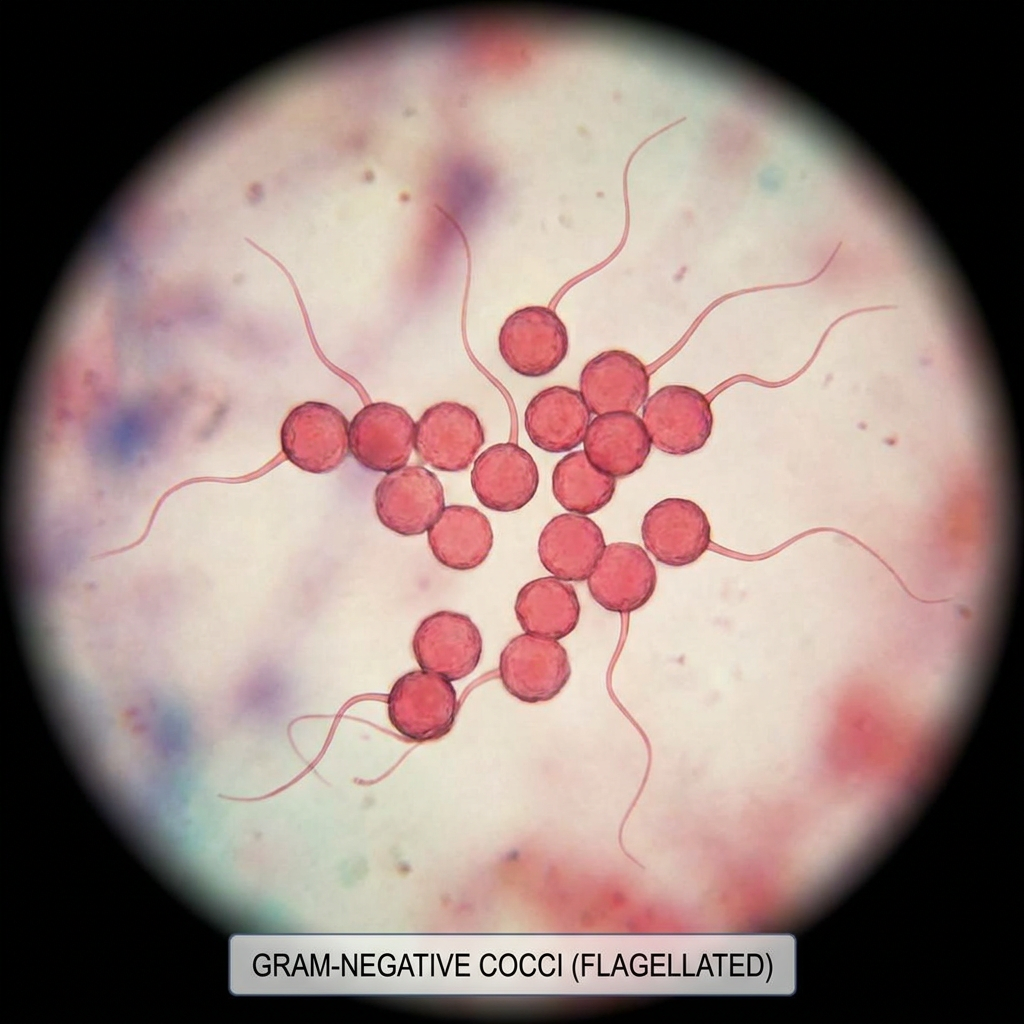
| Gram staining properties | Negative |
| Shape | Not Available |
| Mobility | Not Available |
| Flagellar presence | Yes |
| Number of membranes | Not Available |
| Ecology, Host, and Life Cycle | |
|---|---|
| Oxygen requirements | Not Available |
| Optimal temperature | Not Available |
| Temperature range | Not Available |
| Habitat | Not Available |
| Biotic relationship | Not Available |
| Host(s) | Not Available |
| Cell arrangement | Not Available |
| Sporulation | Not Available |
| Energy source | Not Available |
| Pathogenicity | Not Available |
Gene Summary
Adenine Count
900787 bp
Thymine Count
893662 bp
Guanine Count
1505204 bp
Cytosine Count
1526505 bp
Genome Length
4827503 bp
Protein-coding Genes
4448 genes
Non-Coding Genes
58 genes
# of Chromosomes/Plasmids
1
Genes
| Name | Locus Tag | UniProt ID | Strand Orientation | Gene Start/End | Protein Molecular Weight |
|---|---|---|---|---|---|
| catechol 2,3-dioxygenase | SAMN05216350_104146 | Not Available | Positive | 2290860 - 2291273 | 14656.2 |
| hypothetical protein | SAMN05216350_104147 | Not Available | Positive | 2291447 - 2291719 | 9661.84 |
| hypothetical protein | SAMN05216350_104148 | Not Available | Positive | 2291938 - 2292159 | 7926.49 |
| hypothetical protein | SAMN05216350_104149 | Not Available | Negative | 2292197 - 2293036 | 29420.6 |
| pimeloyl-acp methyl ester carboxylesterase | SAMN05216350_104150 | Not Available | Negative | 2293078 - 2293893 | 28995.9 |
| inositol oxygenase | SAMN05216350_104151 | Not Available | Positive | 2294010 - 2294849 | 32128.0 |
| cell division topological specificity factor mine | SAMN05216350_104152 | Not Available | Negative | 2295179 - 2295439 | 9925.22 |
| septum site-determining protein mind | SAMN05216350_104153 | Not Available | Negative | 2295443 - 2296261 | 29667.9 |
| septum site-determining protein minc | SAMN05216350_104154 | Not Available | Negative | 2296327 - 2297109 | 26825.7 |
| hypothetical protein | SAMN05216350_104155 | Not Available | Positive | 2297333 - 2298541 | 43422.4 |
Pathways
0 pathways
No pathways found
No metabolic pathways have been associated with this bacterium yet.
Health Effects
No health effects information available for this bacterium.