Kingdom
Pseudomonadati
Phylum
Pseudomonadota
Class
Betaproteobacteria
Order
Burkholderiales
Family
Comamonadaceae
Genus
Polaromonas
Description
Taxonomy
| Kingdom | Pseudomonadati |
|---|---|
| Phylum | Pseudomonadota |
| Class | Betaproteobacteria |
| Order | Burkholderiales |
| Family | Comamonadaceae |
| Genus | Polaromonas |
| Species | Polaromonas sp. YR568 |
| Strain | No strain |
Profile
| Physiology | |
|---|---|
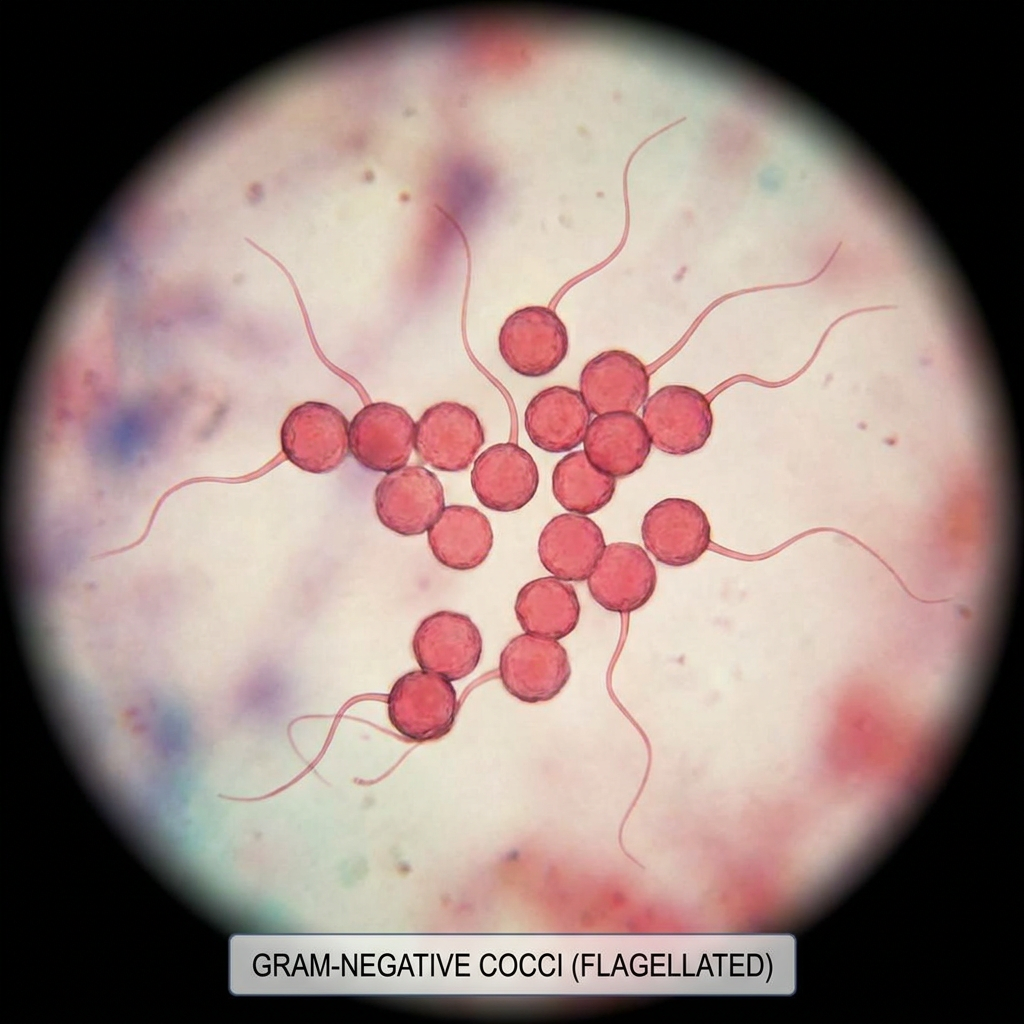
| Gram staining properties | Negative |
| Shape | Not Available |
| Mobility | Not Available |
| Flagellar presence | Yes |
| Number of membranes | Not Available |
| Ecology, Host, and Life Cycle | |
|---|---|
| Oxygen requirements | Not Available |
| Optimal temperature | Not Available |
| Temperature range | Not Available |
| Habitat | Not Available |
| Biotic relationship | Not Available |
| Host(s) | Not Available |
| Cell arrangement | Not Available |
| Sporulation | Not Available |
| Energy source | Not Available |
| Pathogenicity | Not Available |
Gene Summary
Adenine Count
900787 bp
Thymine Count
893662 bp
Guanine Count
1505204 bp
Cytosine Count
1526505 bp
Genome Length
4827503 bp
Protein-coding Genes
4448 genes
Non-Coding Genes
58 genes
# of Chromosomes/Plasmids
1
Genes
| Name | Locus Tag | UniProt ID | Strand Orientation | Gene Start/End | Protein Molecular Weight |
|---|---|---|---|---|---|
| gaf domain-containing protein | SAMN05216350_10399 | Not Available | Positive | 1715863 - 1716534 | 24053.9 |
| hypothetical protein | SAMN05216350_103100 | Not Available | Positive | 1716602 - 1716892 | 9880.47 |
| hypothetical protein | SAMN05216350_103101 | Not Available | Positive | 1717003 - 1717347 | 12878.0 |
| hypothetical protein | SAMN05216350_103102 | Not Available | Positive | 1717408 - 1717872 | 17196.8 |
| hypothetical protein | SAMN05216350_103103 | Not Available | Positive | 1717875 - 1718432 | 19881.2 |
| outer membrane autotransporter barrel domain-containing protein | SAMN05216350_103104 | Not Available | Positive | 1718809 - 1721739 | 97848.0 |
| peptidoglycan/lps o-acetylase oafa/yrhl, contains acyltransferase and sgnh-hydrolase domains | SAMN05216350_103105 | Not Available | Positive | 1721954 - 1723018 | 39818.8 |
| protein n-acetyltransferase, rimj/riml family | SAMN05216350_103106 | Not Available | Positive | 1723143 - 1723748 | 22240.4 |
| aminoethylphosphonate catabolism associated lysr family transcriptional regulator | SAMN05216350_103107 | Not Available | Negative | 1723779 - 1724663 | 33006.1 |
| phosphonate transport system substrate-binding protein | SAMN05216350_103108 | Not Available | Positive | 1724910 - 1725779 | 31404.2 |
Pathways
0 pathways
No pathways found
No metabolic pathways have been associated with this bacterium yet.
Health Effects
No health effects information available for this bacterium.