
Kingdom
Pseudomonadati
Phylum
Pseudomonadota
Class
Gammaproteobacteria
Order
Pseudomonadales
Family
Pseudomonadaceae
Genus
Pseudomonas
Description
Taxonomy
| Kingdom | Pseudomonadati |
|---|---|
| Phylum | Pseudomonadota |
| Class | Gammaproteobacteria |
| Order | Pseudomonadales |
| Family | Pseudomonadaceae |
| Genus | Pseudomonas |
| Species | Pseudomonas frederiksbergensis |
| Strain | strain BS3655 |
Profile
| Physiology | |
|---|---|
| Gram staining properties | Not Available |
| Shape | Not Available |
| Mobility | Not Available |
| Flagellar presence | Not Available |
| Number of membranes | Not Available |
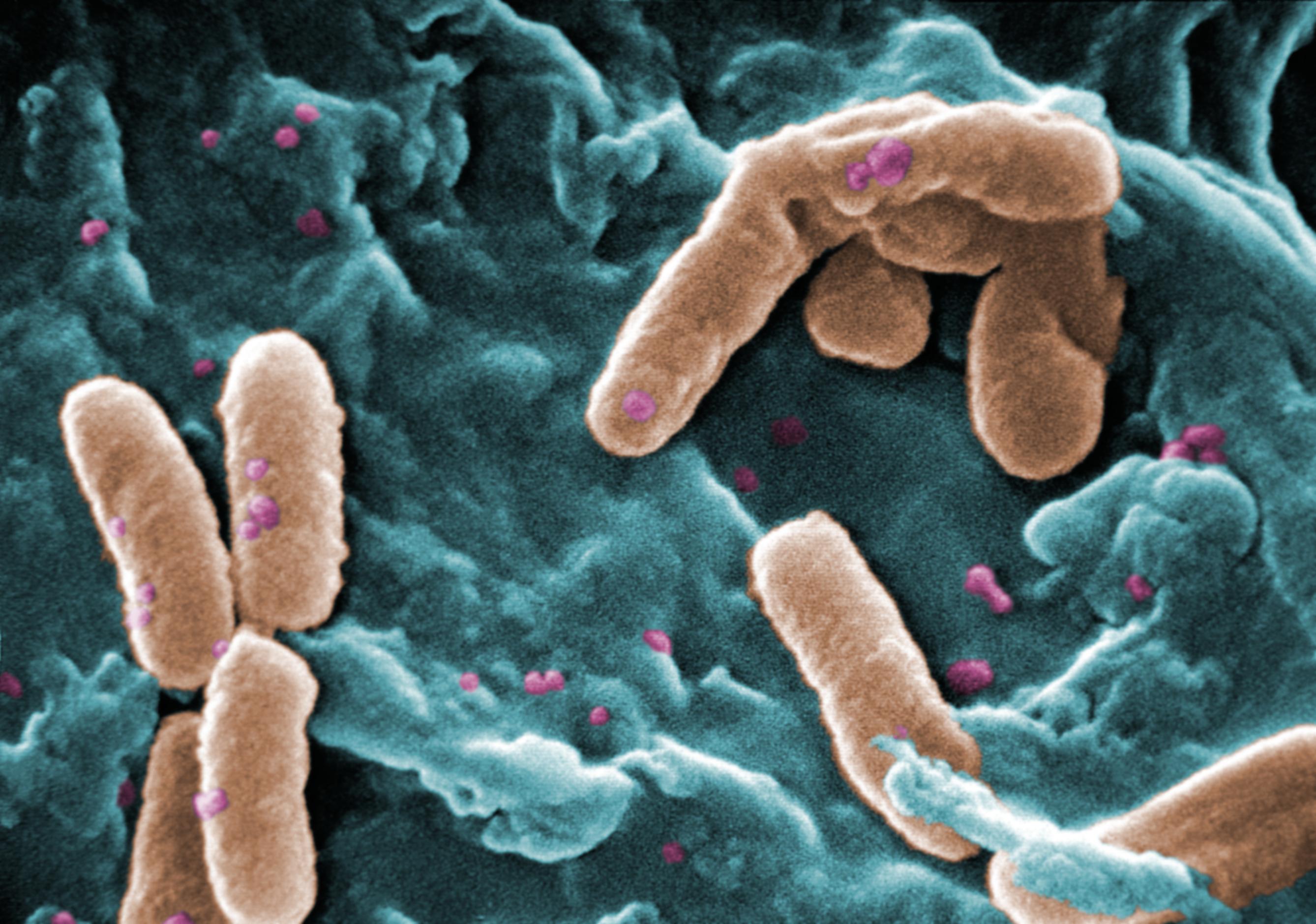
Image source: Wikipedia/Wikimedia
| Ecology, Host, and Life Cycle | |
|---|---|
| Oxygen requirements | Not Available |
| Optimal temperature | Not Available |
| Temperature range | Not Available |
| Habitat | Not Available |
| Biotic relationship | Not Available |
| Host(s) | Not Available |
| Cell arrangement | Not Available |
| Sporulation | Not Available |
| Energy source | Not Available |
| Pathogenicity | Not Available |
Gene Summary
Adenine Count
1315505 bp
Thymine Count
1310777 bp
Guanine Count
1881480 bp
Cytosine Count
1886574 bp
Genome Length
6394336 bp
Protein-coding Genes
5599 genes
Non-Coding Genes
211 genes
# of Chromosomes/Plasmids
1
Genes
| Name | Locus Tag | UniProt ID | Strand Orientation | Gene Start/End | Protein Molecular Weight |
|---|---|---|---|---|---|
| cytochrome c oxidase subunit 3 | SAMN04490185_1147 | Not Available | Negative | 1178583 - 1179470 | 33200.8 |
| cytochrome c oxidase assembly protein subunit 11 | SAMN04490185_1148 | Not Available | Negative | 1179504 - 1180061 | 20311.5 |
| cytochrome c oxidase subunit 1 | SAMN04490185_1149 | Not Available | Negative | 1180227 - 1181819 | 58759.0 |
| cytochrome c oxidase subunit 2 | SAMN04490185_1150 | Not Available | Negative | 1181902 - 1183029 | 42139.1 |
| hypothetical protein | SAMN04490185_1151 | Not Available | Positive | 1183401 - 1184051 | 23970.5 |
| sulfate permease, mfs superfamily | SAMN04490185_1152 | Not Available | Negative | 1184095 - 1185624 | 53409.1 |
| carbonic anhydrase | SAMN04490185_1153 | Not Available | Negative | 1185715 - 1186446 | 26599.8 |
| dna repair photolyase | SAMN04490185_1154 | Not Available | Negative | 1186690 - 1187748 | 39519.7 |
| hypothetical protein | SAMN04490185_1155 | Not Available | Positive | 1187946 - 1188251 | 10877.8 |
| cytochrome c, mono-and diheme variants | SAMN04490185_1156 | Not Available | Negative | 1188318 - 1189619 | 46325.5 |
Pathways
0 pathways
No pathways found
No metabolic pathways have been associated with this bacterium yet.
Health Effects
No health effects information available for this bacterium.


