Kingdom
Pseudomonadati
Phylum
Pseudomonadota
Class
Betaproteobacteria
Order
Neisseriales
Family
Chromobacteriaceae
Genus
Chromobacterium
Description
Taxonomy
| Kingdom | Pseudomonadati |
|---|---|
| Phylum | Pseudomonadota |
| Class | Betaproteobacteria |
| Order | Neisseriales |
| Family | Chromobacteriaceae |
| Genus | Chromobacterium |
| Species | Chromobacterium phragmitis |
| Strain | No strain |
Profile
| Physiology | |
|---|---|
| Gram staining properties | Not Available |
| Shape | Not Available |
| Mobility | Not Available |
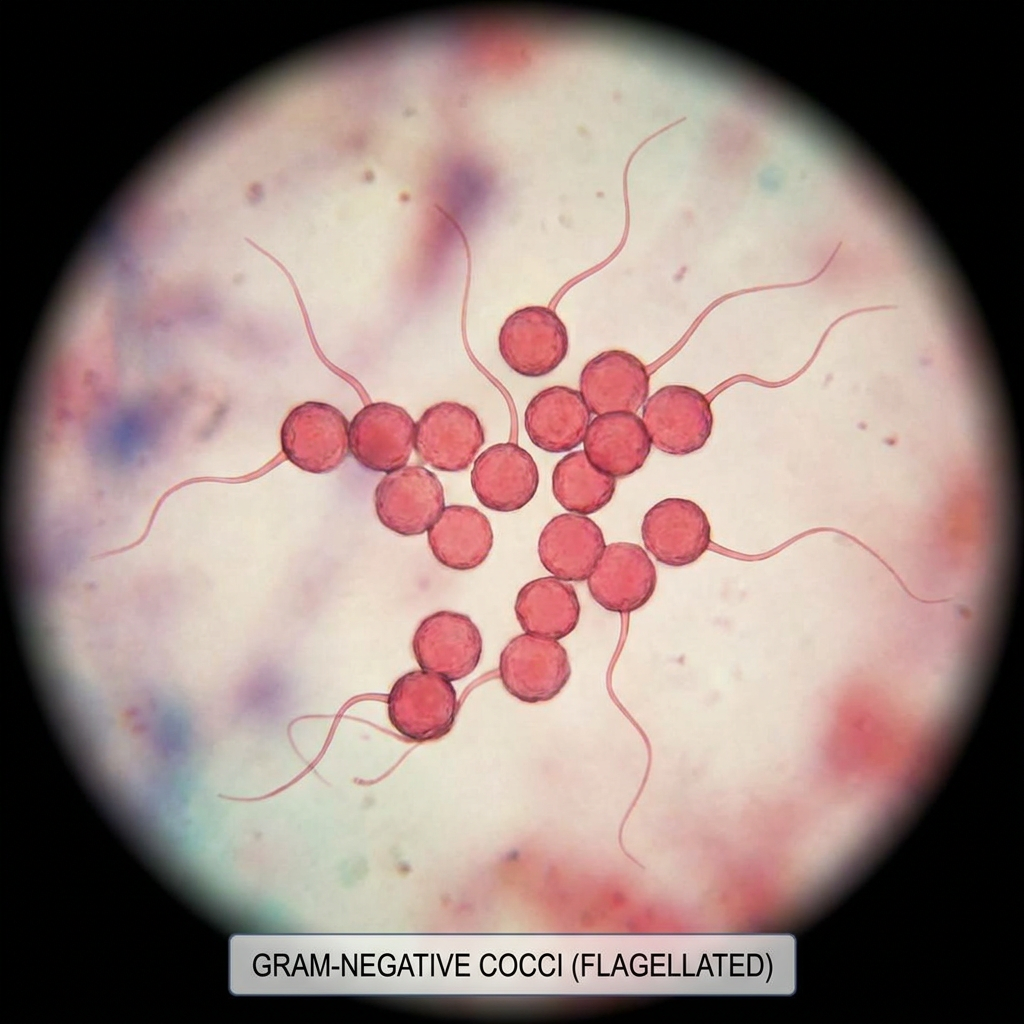
| Flagellar presence | Yes |
| Number of membranes | Not Available |
| Ecology, Host, and Life Cycle | |
|---|---|
| Oxygen requirements | Not Available |
| Optimal temperature | Not Available |
| Temperature range | Not Available |
| Habitat | Not Available |
| Biotic relationship | Not Available |
| Host(s) | Not Available |
| Cell arrangement | Not Available |
| Sporulation | Not Available |
| Energy source | Not Available |
| Pathogenicity | Not Available |
Gene Summary
Adenine Count
854857 bp
Thymine Count
849484 bp
Guanine Count
1506493 bp
Cytosine Count
1516111 bp
Genome Length
4726945 bp
Protein-coding Genes
4314 genes
Non-Coding Genes
264 genes
# of Chromosomes/Plasmids
1
Genes
| Name | Locus Tag | UniProt ID | Strand Orientation | Gene Start/End | Protein Molecular Weight |
|---|---|---|---|---|---|
| crossover junction endodeoxyribonuclease ruvc | DK843_RS15795 | Not Available | Positive | 3305436 - 3305966 | 18474.7 |
| hypothetical protein | DK843_RS15800 | Not Available | Negative | 3305994 - 3306623 | 22808.5 |
| trypsin-like serine protease | DK843_RS15805 | Not Available | Negative | 3306756 - 3307511 | 26629.7 |
| holliday junction branch migration protein ruva | DK843_RS15810 | Not Available | Positive | 3308020 - 3308613 | 20823.6 |
| substrate-binding periplasmic protein | DK843_RS15815 | Not Available | Positive | 3308669 - 3309457 | 30436.8 |
| bon domain-containing protein | DK843_RS15820 | Not Available | Negative | 3309561 - 3309908 | 11511.7 |
| sigma 54-interacting transcriptional regulator | DK843_RS15825 | Not Available | Negative | 3310192 - 3311532 | 48501.6 |
| hypothetical protein | DK843_RS15830 | Not Available | Negative | 3311529 - 3312020 | 18086.9 |
| sensor histidine kinase | DK843_RS15835 | Not Available | Negative | 3312017 - 3313420 | 51613.5 |
| riboflavin synthase subunit alpha | DK843_RS15840 | Not Available | Negative | 3313500 - 3314210 | 25083.3 |
Pathways
0 pathways
No pathways found
No metabolic pathways have been associated with this bacterium yet.
Health Effects
No health effects information available for this bacterium.