Kingdom
Pseudomonadati
Phylum
Pseudomonadota
Class
Betaproteobacteria
Order
Neisseriales
Family
Chromobacteriaceae
Genus
Chromobacterium
Description
Taxonomy
| Kingdom | Pseudomonadati |
|---|---|
| Phylum | Pseudomonadota |
| Class | Betaproteobacteria |
| Order | Neisseriales |
| Family | Chromobacteriaceae |
| Genus | Chromobacterium |
| Species | Chromobacterium phragmitis |
| Strain | No strain |
Profile
| Physiology | |
|---|---|
| Gram staining properties | Not Available |
| Shape | Not Available |
| Mobility | Not Available |
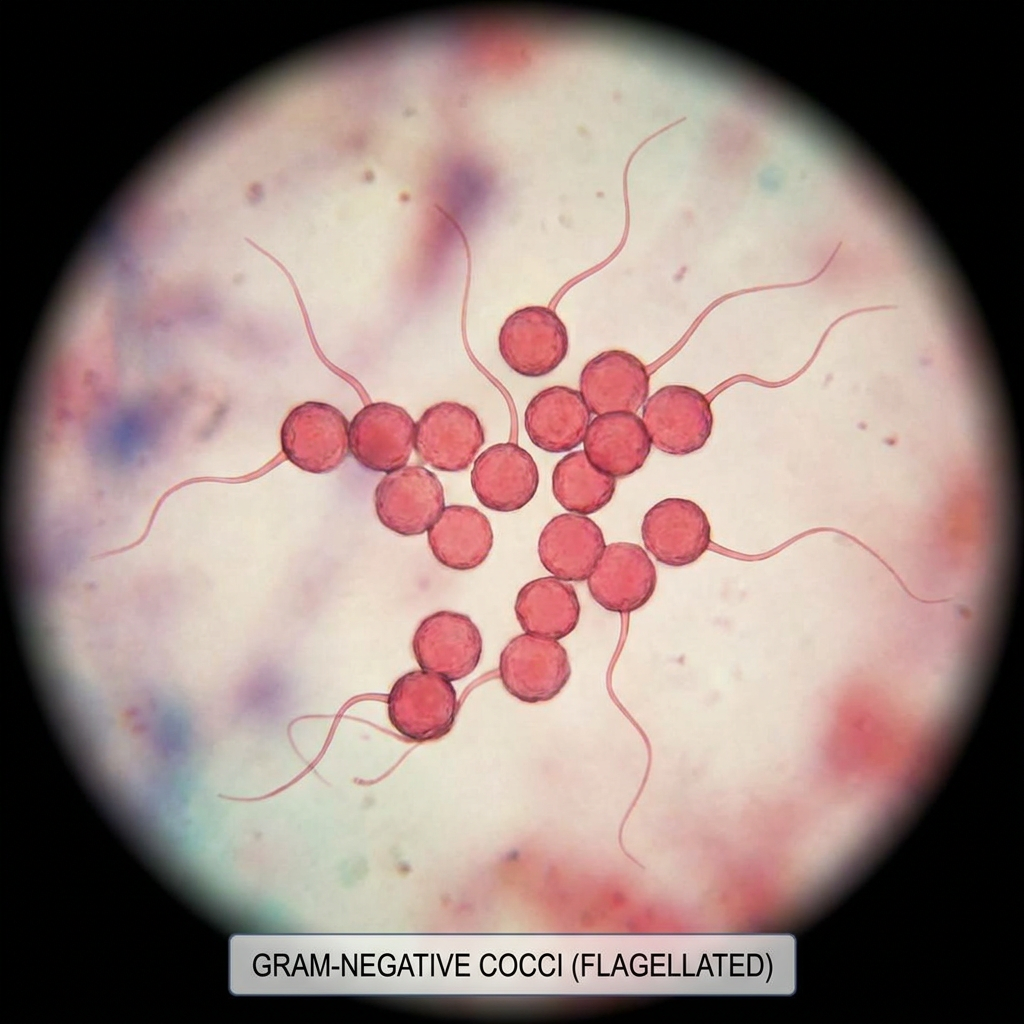
| Flagellar presence | Yes |
| Number of membranes | Not Available |
| Ecology, Host, and Life Cycle | |
|---|---|
| Oxygen requirements | Not Available |
| Optimal temperature | Not Available |
| Temperature range | Not Available |
| Habitat | Not Available |
| Biotic relationship | Not Available |
| Host(s) | Not Available |
| Cell arrangement | Not Available |
| Sporulation | Not Available |
| Energy source | Not Available |
| Pathogenicity | Not Available |
Gene Summary
Adenine Count
854857 bp
Thymine Count
849484 bp
Guanine Count
1506493 bp
Cytosine Count
1516111 bp
Genome Length
4726945 bp
Protein-coding Genes
4314 genes
Non-Coding Genes
264 genes
# of Chromosomes/Plasmids
1
Genes
| Name | Locus Tag | UniProt ID | Strand Orientation | Gene Start/End | Protein Molecular Weight |
|---|---|---|---|---|---|
| yceh family protein | DK843_RS15395 | Not Available | Negative | 3222576 - 3223205 | 22665.5 |
| glycine betaine uptake bcct transporter | DK843_RS15400 | Not Available | Negative | 3223272 - 3224804 | 55840.0 |
| tlya family rna methyltransferase | DK843_RS15405 | Not Available | Positive | 3225199 - 3225945 | 26428.8 |
| universal stress protein | DK843_RS15410 | Not Available | Negative | 3225993 - 3226469 | 17087.2 |
| is5 family transposase | DK843_RS15415 | Not Available | Negative | 3226737 - 3227539 | 30598.3 |
| glutamine synthetase family protein | DK843_RS15420 | Not Available | Negative | 3227593 - 3228939 | 48667.1 |
| methyl-accepting chemotaxis protein | DK843_RS15425 | Not Available | Negative | 3229173 - 3230783 | 57328.0 |
| duf2252 domain-containing protein | DK843_RS15430 | Not Available | Negative | 3230937 - 3232331 | 51491.0 |
| hypothetical protein | DK843_RS15435 | Not Available | Negative | 3232580 - 3232948 | 13279.3 |
| wbuc family cupin fold metalloprotein | DK843_RS15440 | Not Available | Negative | 3233030 - 3233506 | 17253.7 |
Pathways
0 pathways
No pathways found
No metabolic pathways have been associated with this bacterium yet.
Health Effects
No health effects information available for this bacterium.