Kingdom
Pseudomonadati
Phylum
Pseudomonadota
Class
Betaproteobacteria
Order
Neisseriales
Family
Chromobacteriaceae
Genus
Chromobacterium
Description
Taxonomy
| Kingdom | Pseudomonadati |
|---|---|
| Phylum | Pseudomonadota |
| Class | Betaproteobacteria |
| Order | Neisseriales |
| Family | Chromobacteriaceae |
| Genus | Chromobacterium |
| Species | Chromobacterium phragmitis |
| Strain | No strain |
Profile
| Physiology | |
|---|---|
| Gram staining properties | Not Available |
| Shape | Not Available |
| Mobility | Not Available |
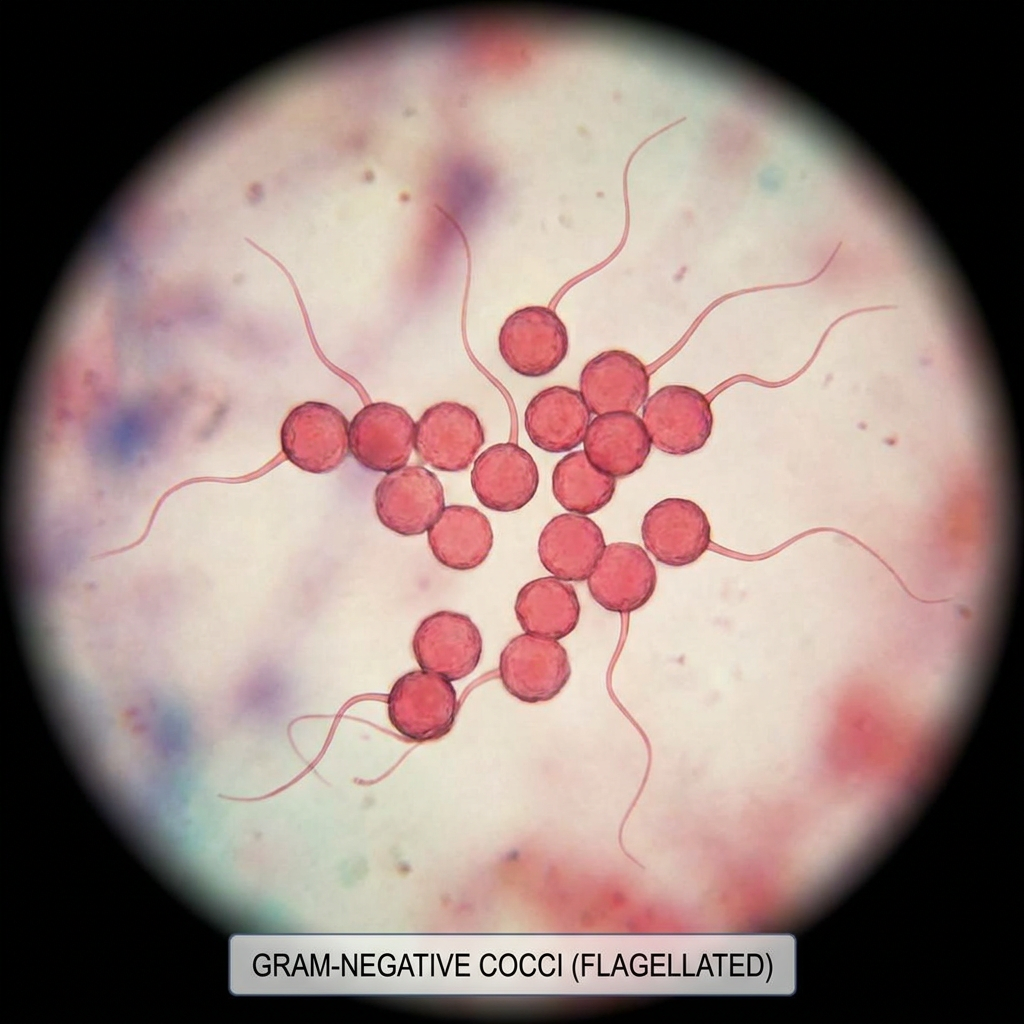
| Flagellar presence | Yes |
| Number of membranes | Not Available |
| Ecology, Host, and Life Cycle | |
|---|---|
| Oxygen requirements | Not Available |
| Optimal temperature | Not Available |
| Temperature range | Not Available |
| Habitat | Not Available |
| Biotic relationship | Not Available |
| Host(s) | Not Available |
| Cell arrangement | Not Available |
| Sporulation | Not Available |
| Energy source | Not Available |
| Pathogenicity | Not Available |
Gene Summary
Adenine Count
854857 bp
Thymine Count
849484 bp
Guanine Count
1506493 bp
Cytosine Count
1516111 bp
Genome Length
4726945 bp
Protein-coding Genes
4314 genes
Non-Coding Genes
264 genes
# of Chromosomes/Plasmids
1
Genes
| Name | Locus Tag | UniProt ID | Strand Orientation | Gene Start/End | Protein Molecular Weight |
|---|---|---|---|---|---|
| abc transporter atp-binding protein | DK843_RS13610 | Not Available | Positive | 2828208 - 2829323 | 40815.5 |
| methyl-accepting chemotaxis protein | DK843_RS13615 | Not Available | Positive | 2829595 - 2831217 | 57964.6 |
| b3/4 domain-containing protein | DK843_RS13620 | Not Available | Negative | 2831240 - 2831896 | 23868.6 |
| yopt-type cysteine protease domain-containing protein | DK843_RS13625 | Not Available | Positive | 2832056 - 2832997 | 33490.0 |
| glycerol-3-phosphate dehydrogenase | DK843_RS13630 | Not Available | Negative | 2833049 - 2834560 | 55770.8 |
| glycerol-3-phosphate transporter | DK843_RS13635 | Not Available | Negative | 2834731 - 2836074 | 49183.2 |
| mip/aquaporin family protein | DK843_RS13640 | Not Available | Negative | 2836268 - 2836975 | 24171.3 |
| glycerol kinase glpk | DK843_RS13645 | Not Available | Negative | 2837084 - 2838586 | 54062.4 |
| hypothetical protein | DK843_RS23060 | Not Available | Negative | 2838976 - 2839278 | 11303.3 |
| pyruvate kinase | DK843_RS13650 | Not Available | Positive | 2839325 - 2840731 | 50328.8 |
Pathways
0 pathways
No pathways found
No metabolic pathways have been associated with this bacterium yet.
Health Effects
No health effects information available for this bacterium.