Kingdom
Pseudomonadati
Phylum
Pseudomonadota
Class
Betaproteobacteria
Order
Neisseriales
Family
Chromobacteriaceae
Genus
Chromobacterium
Description
Taxonomy
| Kingdom | Pseudomonadati |
|---|---|
| Phylum | Pseudomonadota |
| Class | Betaproteobacteria |
| Order | Neisseriales |
| Family | Chromobacteriaceae |
| Genus | Chromobacterium |
| Species | Chromobacterium phragmitis |
| Strain | No strain |
Profile
| Physiology | |
|---|---|
| Gram staining properties | Not Available |
| Shape | Not Available |
| Mobility | Not Available |
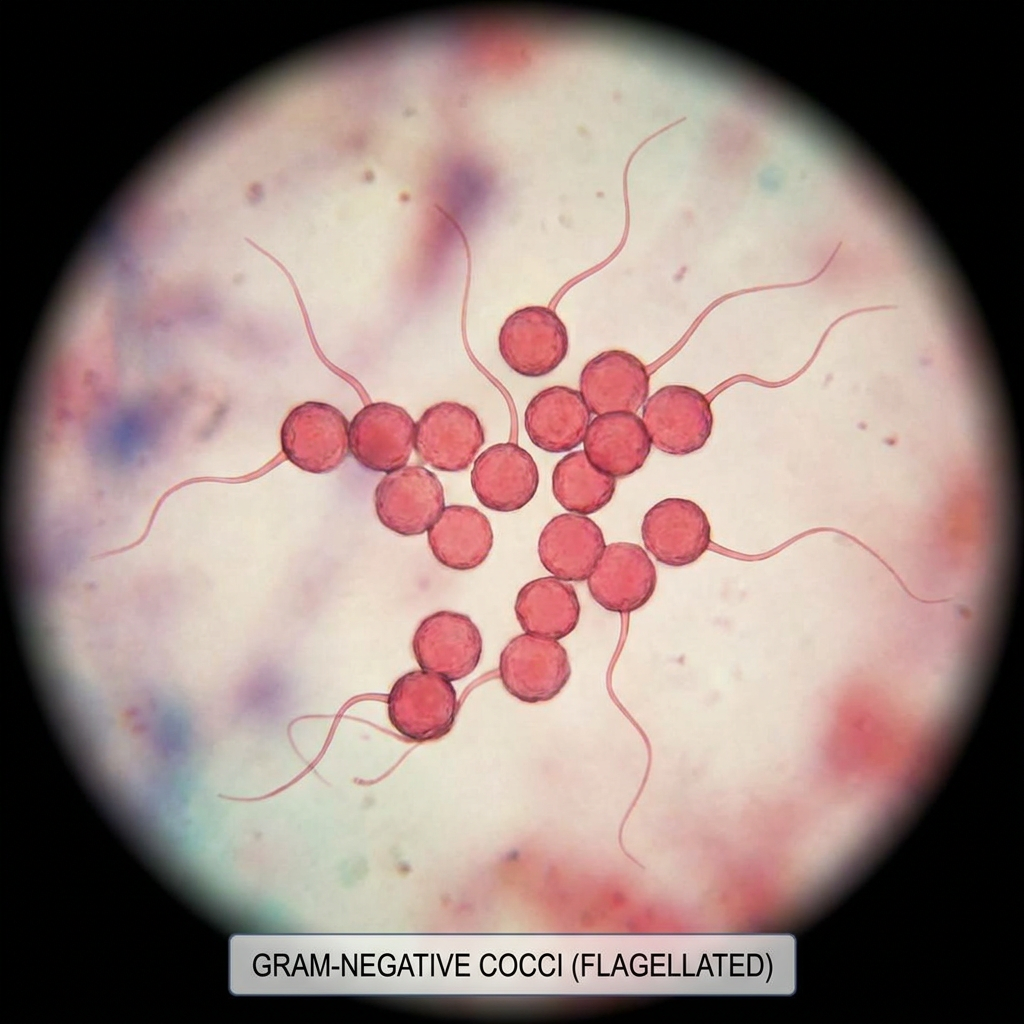
| Flagellar presence | Yes |
| Number of membranes | Not Available |
| Ecology, Host, and Life Cycle | |
|---|---|
| Oxygen requirements | Not Available |
| Optimal temperature | Not Available |
| Temperature range | Not Available |
| Habitat | Not Available |
| Biotic relationship | Not Available |
| Host(s) | Not Available |
| Cell arrangement | Not Available |
| Sporulation | Not Available |
| Energy source | Not Available |
| Pathogenicity | Not Available |
Gene Summary
Adenine Count
854857 bp
Thymine Count
849484 bp
Guanine Count
1506493 bp
Cytosine Count
1516111 bp
Genome Length
4726945 bp
Protein-coding Genes
4314 genes
Non-Coding Genes
264 genes
# of Chromosomes/Plasmids
1
Genes
| Name | Locus Tag | UniProt ID | Strand Orientation | Gene Start/End | Protein Molecular Weight |
|---|---|---|---|---|---|
| mlic family protein | DK843_RS12985 | Not Available | Positive | 2701143 - 2701802 | 23741.6 |
| yaeq family protein | DK843_RS12990 | Not Available | Positive | 2701878 - 2702414 | 20204.1 |
| hypothetical protein | DK843_RS23050 | Not Available | Negative | 2702378 - 2702605 | 8142.92 |
| gnat family n-acetyltransferase | DK843_RS12995 | Not Available | Positive | 2702754 - 2703284 | 19306.0 |
| ygjp-like metallopeptidase domain-containing protein | DK843_RS13000 | Not Available | Positive | 2703329 - 2703826 | 19372.4 |
| alpha/beta hydrolase | DK843_RS13005 | Not Available | Positive | 2703931 - 2704521 | 22252.7 |
| substrate-binding domain-containing protein | DK843_RS13010 | Not Available | Positive | 2704560 - 2705504 | 32805.6 |
| duf2059 domain-containing protein | DK843_RS13015 | Not Available | Positive | 2705583 - 2706125 | 19274.2 |
| hypothetical protein | DK843_RS13020 | Not Available | Negative | 2706126 - 2706344 | 8182.99 |
| substrate-binding periplasmic protein | DK843_RS13025 | Not Available | Positive | 2706439 - 2707254 | 30508.7 |
Pathways
0 pathways
No pathways found
No metabolic pathways have been associated with this bacterium yet.
Health Effects
No health effects information available for this bacterium.