Kingdom
Pseudomonadati
Phylum
Pseudomonadota
Class
Betaproteobacteria
Order
Neisseriales
Family
Chromobacteriaceae
Genus
Chromobacterium
Description
Taxonomy
| Kingdom | Pseudomonadati |
|---|---|
| Phylum | Pseudomonadota |
| Class | Betaproteobacteria |
| Order | Neisseriales |
| Family | Chromobacteriaceae |
| Genus | Chromobacterium |
| Species | Chromobacterium phragmitis |
| Strain | No strain |
Profile
| Physiology | |
|---|---|
| Gram staining properties | Not Available |
| Shape | Not Available |
| Mobility | Not Available |
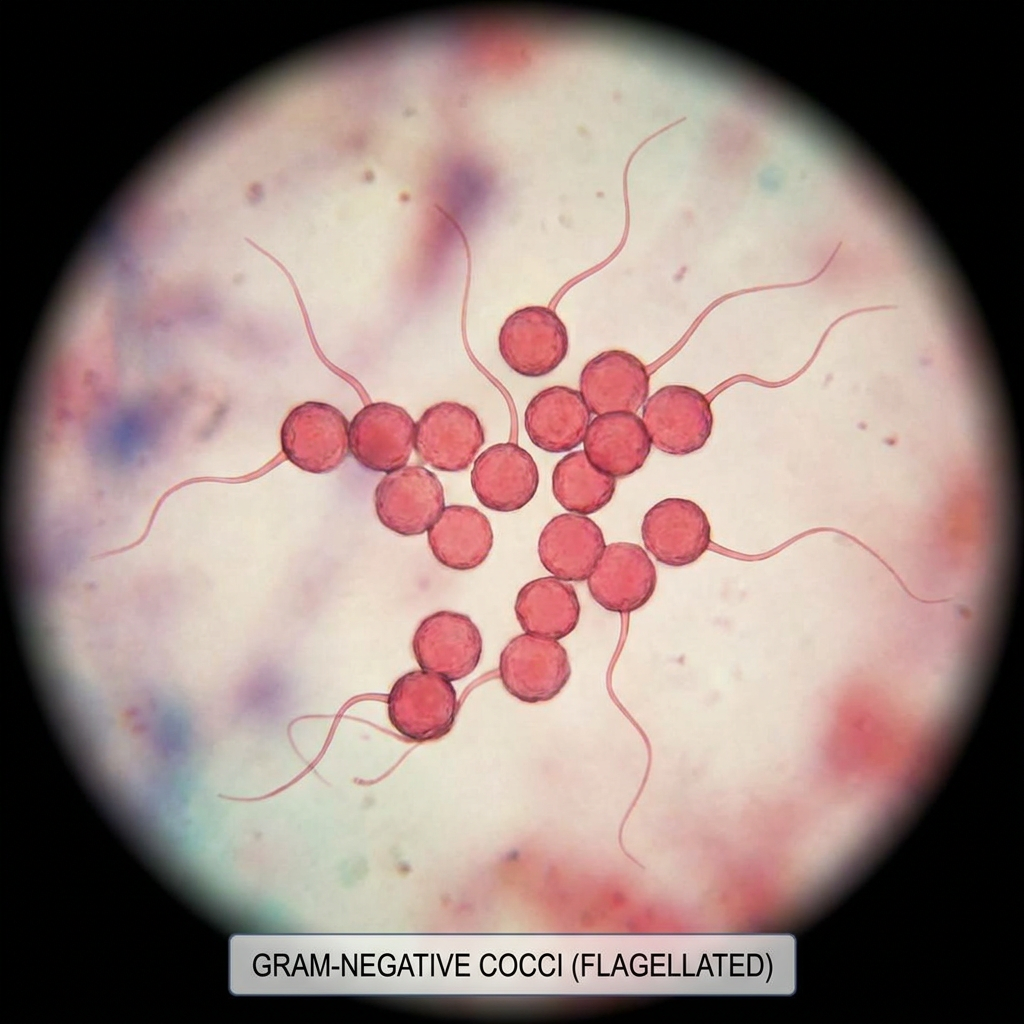
| Flagellar presence | Yes |
| Number of membranes | Not Available |
| Ecology, Host, and Life Cycle | |
|---|---|
| Oxygen requirements | Not Available |
| Optimal temperature | Not Available |
| Temperature range | Not Available |
| Habitat | Not Available |
| Biotic relationship | Not Available |
| Host(s) | Not Available |
| Cell arrangement | Not Available |
| Sporulation | Not Available |
| Energy source | Not Available |
| Pathogenicity | Not Available |
Gene Summary
Adenine Count
854857 bp
Thymine Count
849484 bp
Guanine Count
1506493 bp
Cytosine Count
1516111 bp
Genome Length
4726945 bp
Protein-coding Genes
4314 genes
Non-Coding Genes
264 genes
# of Chromosomes/Plasmids
1
Genes
| Name | Locus Tag | UniProt ID | Strand Orientation | Gene Start/End | Protein Molecular Weight |
|---|---|---|---|---|---|
| tetr/acrr family transcriptional regulator | DK843_RS12195 | Not Available | Negative | 2526282 - 2526899 | 21963.5 |
| dinb family protein | DK843_RS12200 | Not Available | Positive | 2526962 - 2527504 | 20134.8 |
| gnat family n-acetyltransferase | DK843_RS12205 | Not Available | Negative | 2527492 - 2528001 | 18631.2 |
| ggdef domain-containing protein | DK843_RS12210 | Not Available | Positive | 2528237 - 2529430 | 45013.8 |
| had family hydrolase | DK843_RS12215 | Not Available | Negative | 2529440 - 2530135 | 24951.6 |
| amino acid abc transporter substrate-binding protein | DK843_RS12220 | Not Available | Negative | 2530379 - 2531227 | 32533.4 |
| pas domain-containing protein | DK843_RS12225 | Not Available | Negative | 2531572 - 2531796 | 7649.26 |
| hypothetical protein | DK843_RS23040 | Not Available | Negative | 2532352 - 2533098 | 26816.6 |
| dihydrolipoyl dehydrogenase | DK843_RS12230 | Not Available | Negative | 2534095 - 2535894 | 62833.8 |
| dihydrolipoyllysine-residue acetyltransferase | DK843_RS12235 | Not Available | Negative | 2536036 - 2537688 | 56425.2 |
Pathways
0 pathways
No pathways found
No metabolic pathways have been associated with this bacterium yet.
Health Effects
No health effects information available for this bacterium.