Kingdom
Pseudomonadati
Phylum
Pseudomonadota
Class
Betaproteobacteria
Order
Neisseriales
Family
Chromobacteriaceae
Genus
Chromobacterium
Description
Taxonomy
| Kingdom | Pseudomonadati |
|---|---|
| Phylum | Pseudomonadota |
| Class | Betaproteobacteria |
| Order | Neisseriales |
| Family | Chromobacteriaceae |
| Genus | Chromobacterium |
| Species | Chromobacterium phragmitis |
| Strain | No strain |
Profile
| Physiology | |
|---|---|
| Gram staining properties | Not Available |
| Shape | Not Available |
| Mobility | Not Available |
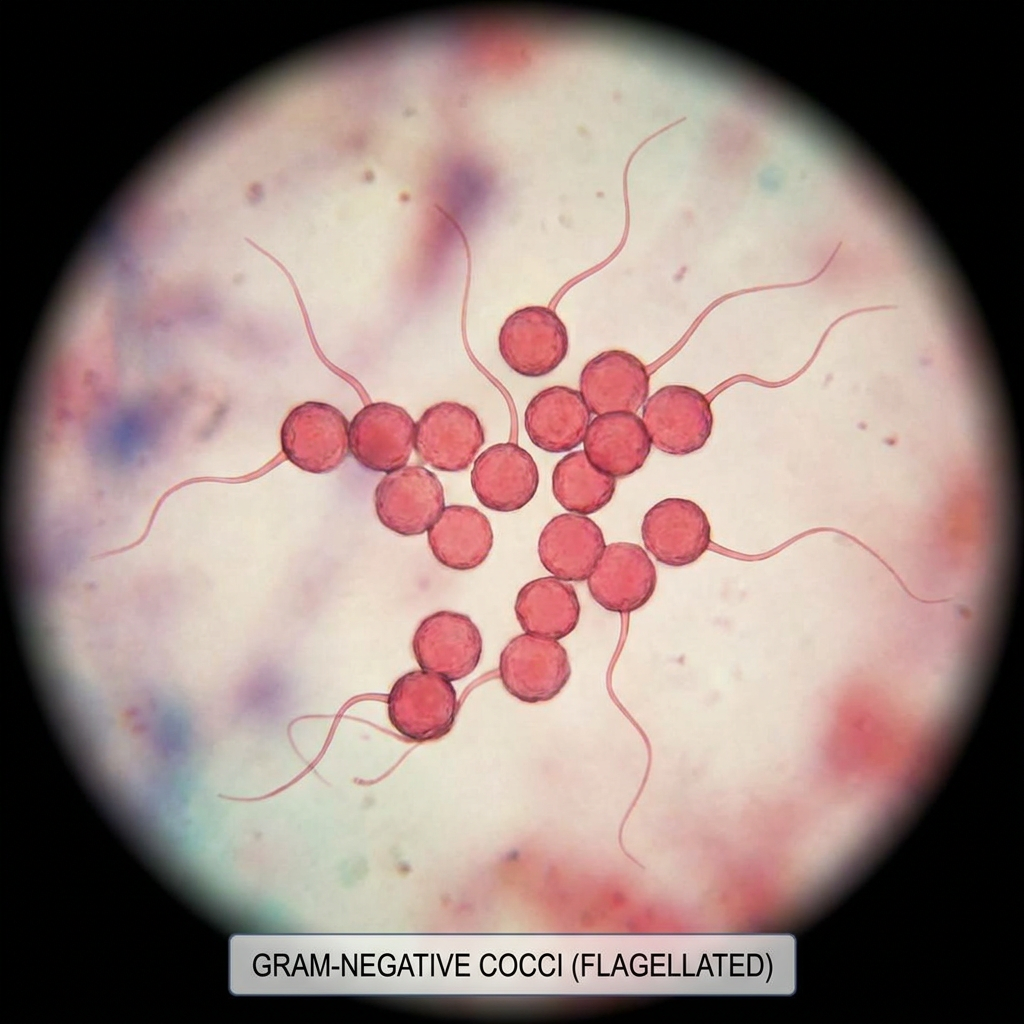
| Flagellar presence | Yes |
| Number of membranes | Not Available |
| Ecology, Host, and Life Cycle | |
|---|---|
| Oxygen requirements | Not Available |
| Optimal temperature | Not Available |
| Temperature range | Not Available |
| Habitat | Not Available |
| Biotic relationship | Not Available |
| Host(s) | Not Available |
| Cell arrangement | Not Available |
| Sporulation | Not Available |
| Energy source | Not Available |
| Pathogenicity | Not Available |
Gene Summary
Adenine Count
854857 bp
Thymine Count
849484 bp
Guanine Count
1506493 bp
Cytosine Count
1516111 bp
Genome Length
4726945 bp
Protein-coding Genes
4314 genes
Non-Coding Genes
264 genes
# of Chromosomes/Plasmids
1
Genes
| Name | Locus Tag | UniProt ID | Strand Orientation | Gene Start/End | Protein Molecular Weight |
|---|---|---|---|---|---|
| glycosyltransferase family 2 protein | DK843_RS12090 | Not Available | Positive | 2497234 - 2499288 | 77685.0 |
| glycosyltransferase | DK843_RS12095 | Not Available | Positive | 2499333 - 2500310 | 36623.5 |
| nucleotide sugar dehydrogenase | DK843_RS12100 | Not Available | Positive | 2500361 - 2501530 | 43268.9 |
| glycosyltransferase family 2 protein | DK843_RS12105 | Not Available | Positive | 2501777 - 2503003 | 44903.4 |
| utp--glucose-1-phosphate uridylyltransferase galu | DK843_RS12110 | Not Available | Positive | 2503026 - 2503898 | 31609.4 |
| capsular polysaccharide biosynthesis protein | DK843_RS12115 | Not Available | Positive | 2503895 - 2505934 | 74874.5 |
| pas domain-containing protein | DK843_RS23805 | Not Available | Positive | 2506299 - 2507435 | 43924.6 |
| is5 family transposase | DK843_RS12130 | Not Available | Positive | 2507554 - 2508486 | 35075.7 |
| udp-glucose 4-epimerase gale | DK843_RS12135 | Not Available | Negative | 2508955 - 2509959 | 36702.9 |
| phosphoribosylamine--glycine ligase | DK843_RS12140 | Not Available | Negative | 2510069 - 2511346 | 45151.0 |
Pathways
0 pathways
No pathways found
No metabolic pathways have been associated with this bacterium yet.
Health Effects
No health effects information available for this bacterium.