Kingdom
Pseudomonadati
Phylum
Pseudomonadota
Class
Betaproteobacteria
Order
Neisseriales
Family
Chromobacteriaceae
Genus
Chromobacterium
Description
Taxonomy
| Kingdom | Pseudomonadati |
|---|---|
| Phylum | Pseudomonadota |
| Class | Betaproteobacteria |
| Order | Neisseriales |
| Family | Chromobacteriaceae |
| Genus | Chromobacterium |
| Species | Chromobacterium phragmitis |
| Strain | No strain |
Profile
| Physiology | |
|---|---|
| Gram staining properties | Not Available |
| Shape | Not Available |
| Mobility | Not Available |
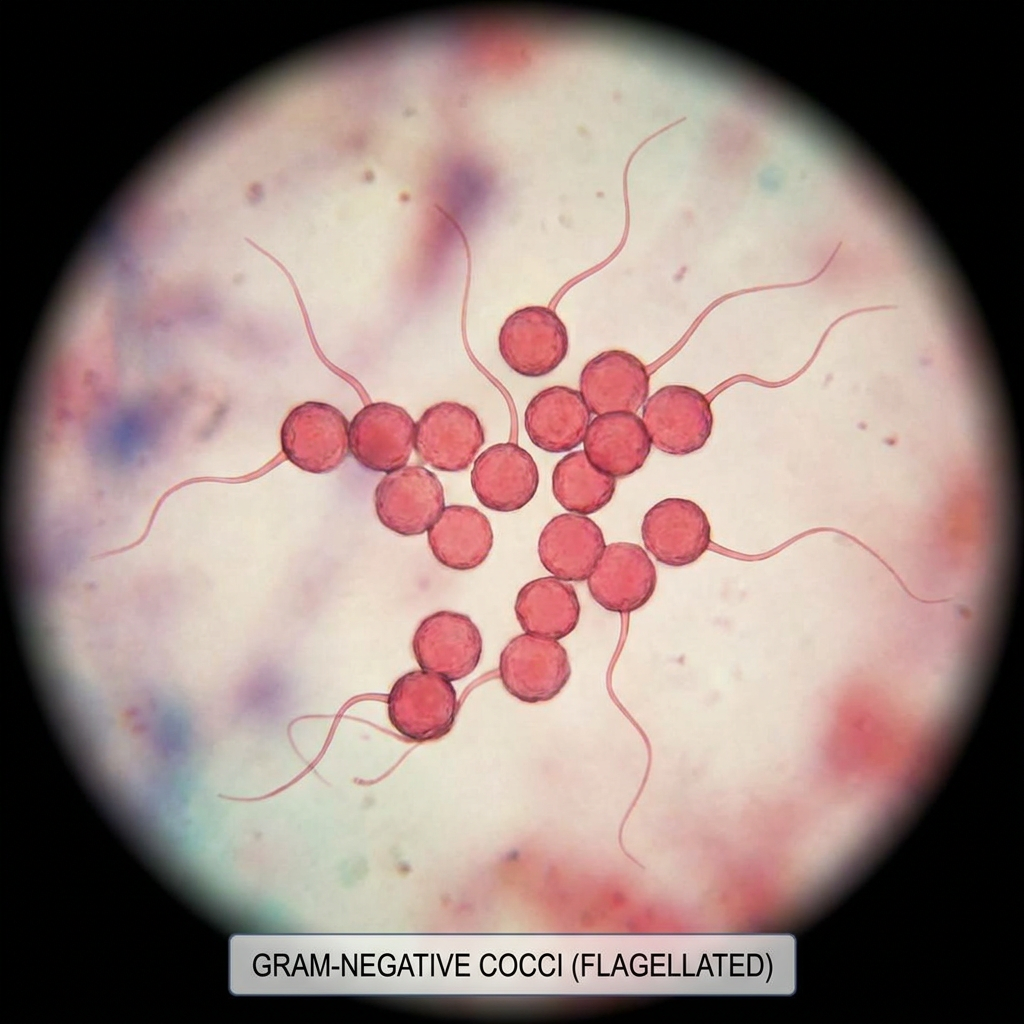
| Flagellar presence | Yes |
| Number of membranes | Not Available |
| Ecology, Host, and Life Cycle | |
|---|---|
| Oxygen requirements | Not Available |
| Optimal temperature | Not Available |
| Temperature range | Not Available |
| Habitat | Not Available |
| Biotic relationship | Not Available |
| Host(s) | Not Available |
| Cell arrangement | Not Available |
| Sporulation | Not Available |
| Energy source | Not Available |
| Pathogenicity | Not Available |
Gene Summary
Adenine Count
854857 bp
Thymine Count
849484 bp
Guanine Count
1506493 bp
Cytosine Count
1516111 bp
Genome Length
4726945 bp
Protein-coding Genes
4314 genes
Non-Coding Genes
264 genes
# of Chromosomes/Plasmids
1
Genes
| Name | Locus Tag | UniProt ID | Strand Orientation | Gene Start/End | Protein Molecular Weight |
|---|---|---|---|---|---|
| atp-binding protein | DK843_RS10415 | Not Available | Negative | 2165541 - 2166797 | 44645.3 |
| tonb-dependent copper receptor | DK843_RS10420 | Not Available | Positive | 2166921 - 2168852 | 69632.8 |
| hypothetical protein | DK843_RS10425 | Not Available | Positive | 2168925 - 2169332 | 14793.7 |
| 5-carboxymethyl-2-hydroxymuconate delta-isomerase | DK843_RS10430 | Not Available | Positive | 2169343 - 2169699 | 12843.3 |
| atp-binding protein | DK843_RS10435 | Not Available | Negative | 2169822 - 2171168 | 49821.8 |
| response regulator | DK843_RS10440 | Not Available | Negative | 2171165 - 2171827 | 23761.9 |
| udp-2,3-diacylglucosamine diphosphatase | DK843_RS10445 | Not Available | Positive | 2172021 - 2172848 | 31135.9 |
| glycosyltransferase family 4 protein | DK843_RS10450 | Not Available | Positive | 2172836 - 2173870 | 38258.2 |
| ferredoxin--nadp reductase | DK843_RS10455 | Not Available | Positive | 2174682 - 2175464 | 29423.4 |
| hypothetical protein | DK843_RS10460 | Not Available | Negative | 2175600 - 2176199 | 19866.9 |
Pathways
0 pathways
No pathways found
No metabolic pathways have been associated with this bacterium yet.
Health Effects
No health effects information available for this bacterium.