Kingdom
Pseudomonadati
Phylum
Pseudomonadota
Class
Betaproteobacteria
Order
Burkholderiales
Family
Comamonadaceae
Genus
Lampropedia
Description
Taxonomy
| Kingdom | Pseudomonadati |
|---|---|
| Phylum | Pseudomonadota |
| Class | Betaproteobacteria |
| Order | Burkholderiales |
| Family | Comamonadaceae |
| Genus | Lampropedia |
| Species | Lampropedia puyangensis |
| Strain | 2-bin |
Profile
| Physiology | |
|---|---|
| Gram staining properties | Not Available |
| Shape | Not Available |
| Mobility | Not Available |
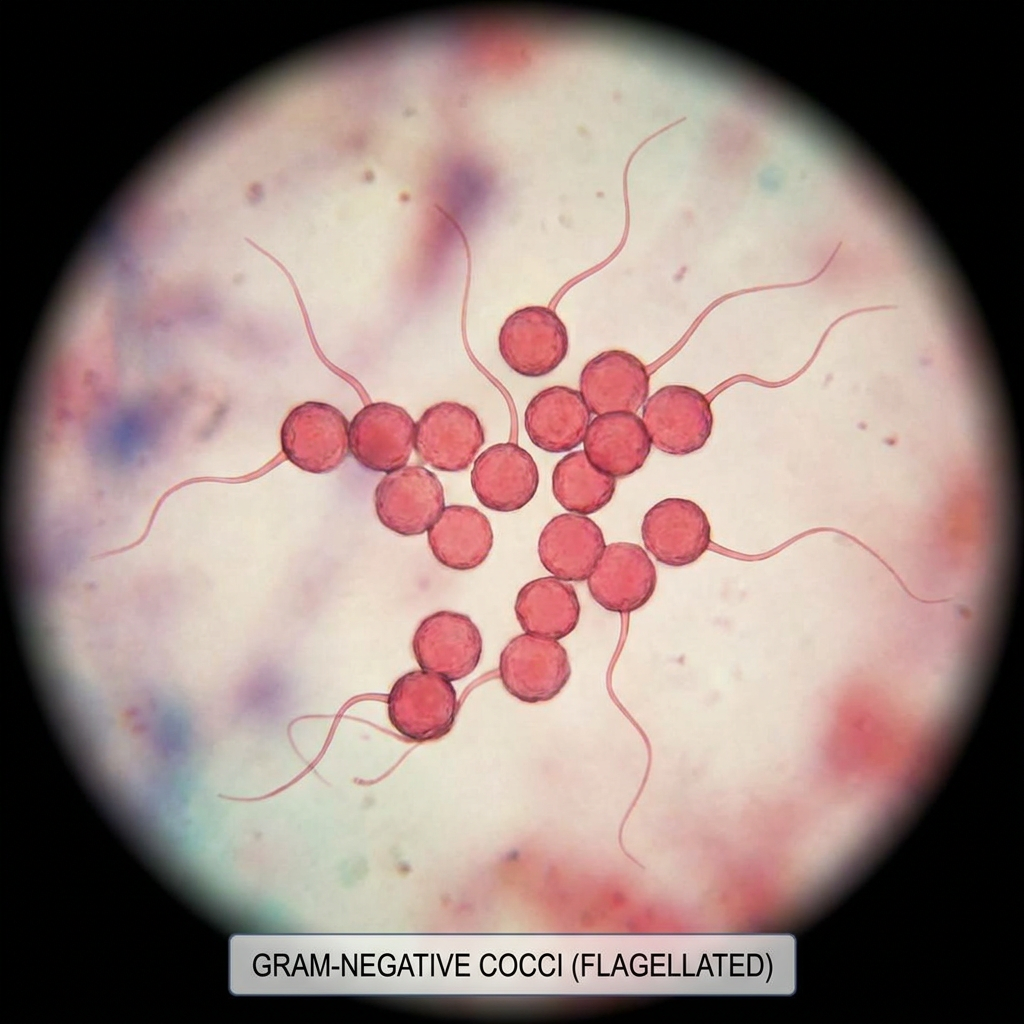
| Flagellar presence | Yes |
| Number of membranes | Not Available |
| Ecology, Host, and Life Cycle | |
|---|---|
| Oxygen requirements | Not Available |
| Optimal temperature | Not Available |
| Temperature range | Not Available |
| Habitat | Not Available |
| Biotic relationship | Not Available |
| Host(s) | Not Available |
| Cell arrangement | Not Available |
| Sporulation | Not Available |
| Energy source | Not Available |
| Pathogenicity | Not Available |
Gene Summary
Adenine Count
913152 bp
Thymine Count
916465 bp
Guanine Count
1076558 bp
Cytosine Count
1068236 bp
Genome Length
3974686 bp
Protein-coding Genes
3367 genes
Non-Coding Genes
59 genes
# of Chromosomes/Plasmids
1
Genes
| Name | Locus Tag | UniProt ID | Strand Orientation | Gene Start/End | Protein Molecular Weight |
|---|---|---|---|---|---|
| had family hydrolase | E9531_11355 | Not Available | Negative | 2580036 - 2580737 | 25565.5 |
| replicative dna helicase | E9531_11360 | Not Available | Negative | 2580951 - 2582372 | 52271.5 |
| 50s ribosomal protein l9 | E9531_11365 | Not Available | Negative | 2582718 - 2583170 | 16073.3 |
| 30s ribosomal protein s18 | E9531_11370 | Not Available | Negative | 2583185 - 2583466 | 11036.5 |
| 30s ribosomal protein s6 | E9531_11375 | Not Available | Negative | 2583567 - 2583944 | 14374.3 |
| aspartate-semialdehyde dehydrogenase | E9531_11380 | Not Available | Positive | 2584421 - 2585548 | 40241.8 |
| mhs family mfs transporter | E9531_11385 | Not Available | Negative | 2585653 - 2586993 | 47910.6 |
| ornithine carbamoyltransferase | E9531_11390 | Not Available | Negative | 2587605 - 2588540 | 35115.8 |
| aspartate aminotransferase family protein | E9531_11395 | Not Available | Negative | 2588612 - 2589814 | 43628.8 |
| hypothetical protein | E9531_11400 | Not Available | Positive | 2590033 - 2591433 | 49891.5 |
Pathways
0 pathways
No pathways found
No metabolic pathways have been associated with this bacterium yet.
Health Effects
No health effects information available for this bacterium.