Kingdom
Pseudomonadati
Phylum
Pseudomonadota
Class
Betaproteobacteria
Order
Burkholderiales
Family
Comamonadaceae
Genus
Lampropedia
Description
Taxonomy
| Kingdom | Pseudomonadati |
|---|---|
| Phylum | Pseudomonadota |
| Class | Betaproteobacteria |
| Order | Burkholderiales |
| Family | Comamonadaceae |
| Genus | Lampropedia |
| Species | Lampropedia puyangensis |
| Strain | 2-bin |
Profile
| Physiology | |
|---|---|
| Gram staining properties | Not Available |
| Shape | Not Available |
| Mobility | Not Available |
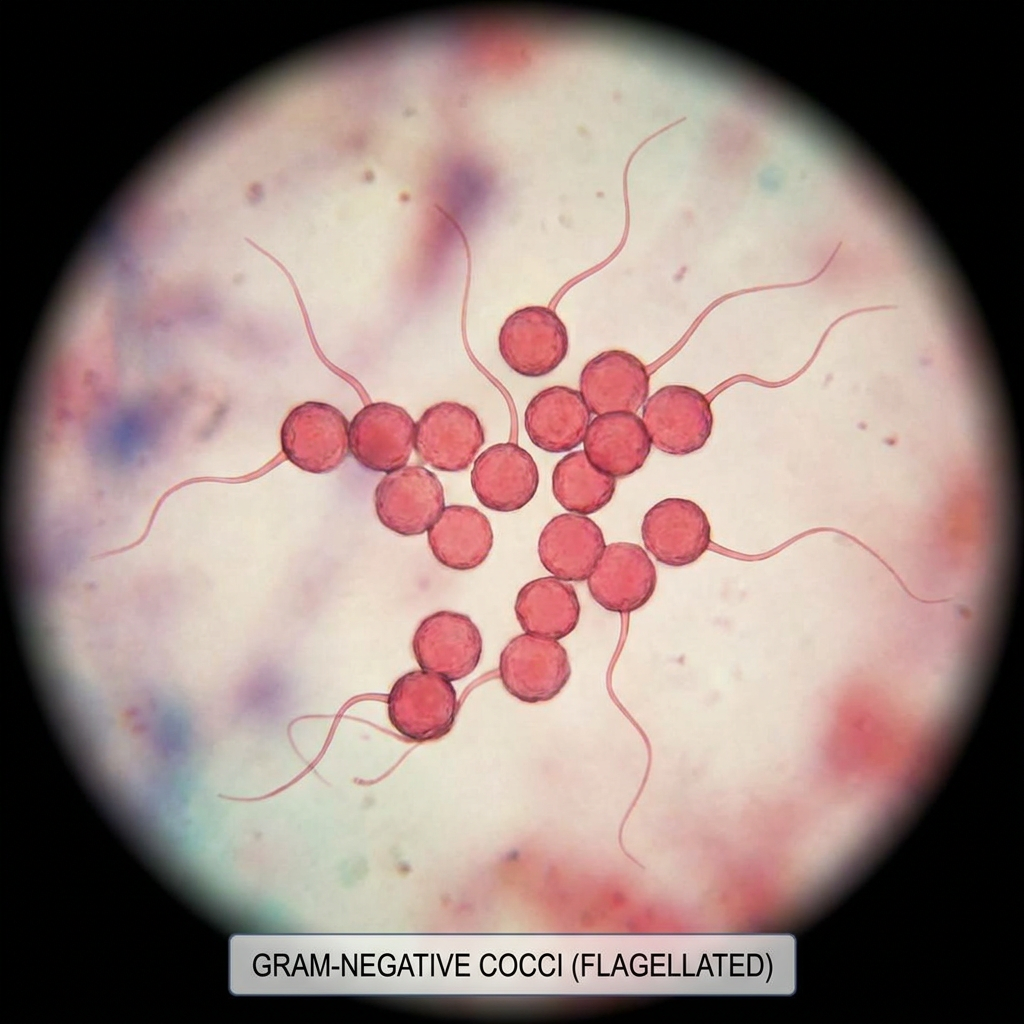
| Flagellar presence | Yes |
| Number of membranes | Not Available |
| Ecology, Host, and Life Cycle | |
|---|---|
| Oxygen requirements | Not Available |
| Optimal temperature | Not Available |
| Temperature range | Not Available |
| Habitat | Not Available |
| Biotic relationship | Not Available |
| Host(s) | Not Available |
| Cell arrangement | Not Available |
| Sporulation | Not Available |
| Energy source | Not Available |
| Pathogenicity | Not Available |
Gene Summary
Adenine Count
913152 bp
Thymine Count
916465 bp
Guanine Count
1076558 bp
Cytosine Count
1068236 bp
Genome Length
3974686 bp
Protein-coding Genes
3367 genes
Non-Coding Genes
59 genes
# of Chromosomes/Plasmids
1
Genes
| Name | Locus Tag | UniProt ID | Strand Orientation | Gene Start/End | Protein Molecular Weight |
|---|---|---|---|---|---|
| hypothetical protein | E9531_11205 | Not Available | Negative | 2553469 - 2554494 | 36585.3 |
| sigma-70 family rna polymerase sigma factor | E9531_11210 | Not Available | Negative | 2554491 - 2555141 | 24726.0 |
| sulfurtransferase | E9531_11215 | Not Available | Positive | 2555465 - 2556340 | 31418.1 |
| bifunctional dna-formamidopyrimidine glycosylase/dna-(apurinic or apyrimidinic site) lyase | E9531_11220 | Not Available | Negative | 2556361 - 2557176 | 28940.6 |
| tetratricopeptide repeat protein | E9531_11225 | Not Available | Positive | 2557337 - 2559178 | 67665.7 |
| hypothetical protein | E9531_11230 | Not Available | Positive | 2559175 - 2559726 | 20289.0 |
| 4-(cytidine 5'-diphospho)-2-c-methyl-d-erythritol kinase | E9531_11235 | Not Available | Positive | 2559730 - 2560608 | 31613.6 |
| Trna-gln | Not Available | Not Available | Positive | 2560645 - 2560721 | Not Available |
| ribose-phosphate pyrophosphokinase | E9531_11245 | Not Available | Positive | 2560896 - 2561858 | 34716.9 |
| 50s ribosomal protein l25/general stress protein ctc | E9531_11250 | Not Available | Positive | 2561950 - 2562546 | 21717.2 |
Pathways
0 pathways
No pathways found
No metabolic pathways have been associated with this bacterium yet.
Health Effects
No health effects information available for this bacterium.