Escherichia coli 9.0111

Gram-negativeRodMotileFacultative anaerobe

Kingdom

Pseudomonadati

Phylum

Pseudomonadota

Class

Gammaproteobacteria

Order

Enterobacterales

Family

Enterobacteriaceae

Genus

Escherichia

Description

Escherichia coli 9.0111 is a Gram-negative, rod-shaped bacterium predominantly found in pairs or as single cells, exhibiting a facultative anaerobic metabolism. This strain thrives optimally at 37.0°C, a temperature that aligns with the physiological conditions of its natural habitat within host organisms. E. coli is known for its versatility in metabolic processes, allowing it to adapt to both aerobic and anaerobic environments, which is particularly advantageous in the variable conditions within the gut flora of mammals. As a host-associated microbe, E. coli 9.0111 likely plays a significant role in the microbiome, contributing to various biological processes such as nutrient absorption and the maintenance of intestinal homeostasis. The capacity to exist in pairs or as single cells may enhance its survival and adaptability within the dynamic gastrointestinal environment, facilitating interactions with other microbial species and the host's immune system. This strain exemplifies the complex relationships that can develop between host organisms and their resident microbiota, underscoring the importance of E. coli in maintaining a balanced microbial community. Understanding such traits of E. coli 9.0111 can provide insights into its ecological roles and potential implications for host health and disease.

Taxonomy

KingdomPseudomonadati
PhylumPseudomonadota
ClassGammaproteobacteria
OrderEnterobacterales
FamilyEnterobacteriaceae
GenusEscherichia
SpeciesEscherichia coli
Strain9.0111

Profile

Physiology
Gram staining propertiesNegative
ShapeRod
MobilityYes
Flagellar presenceYes
Number of membranes2
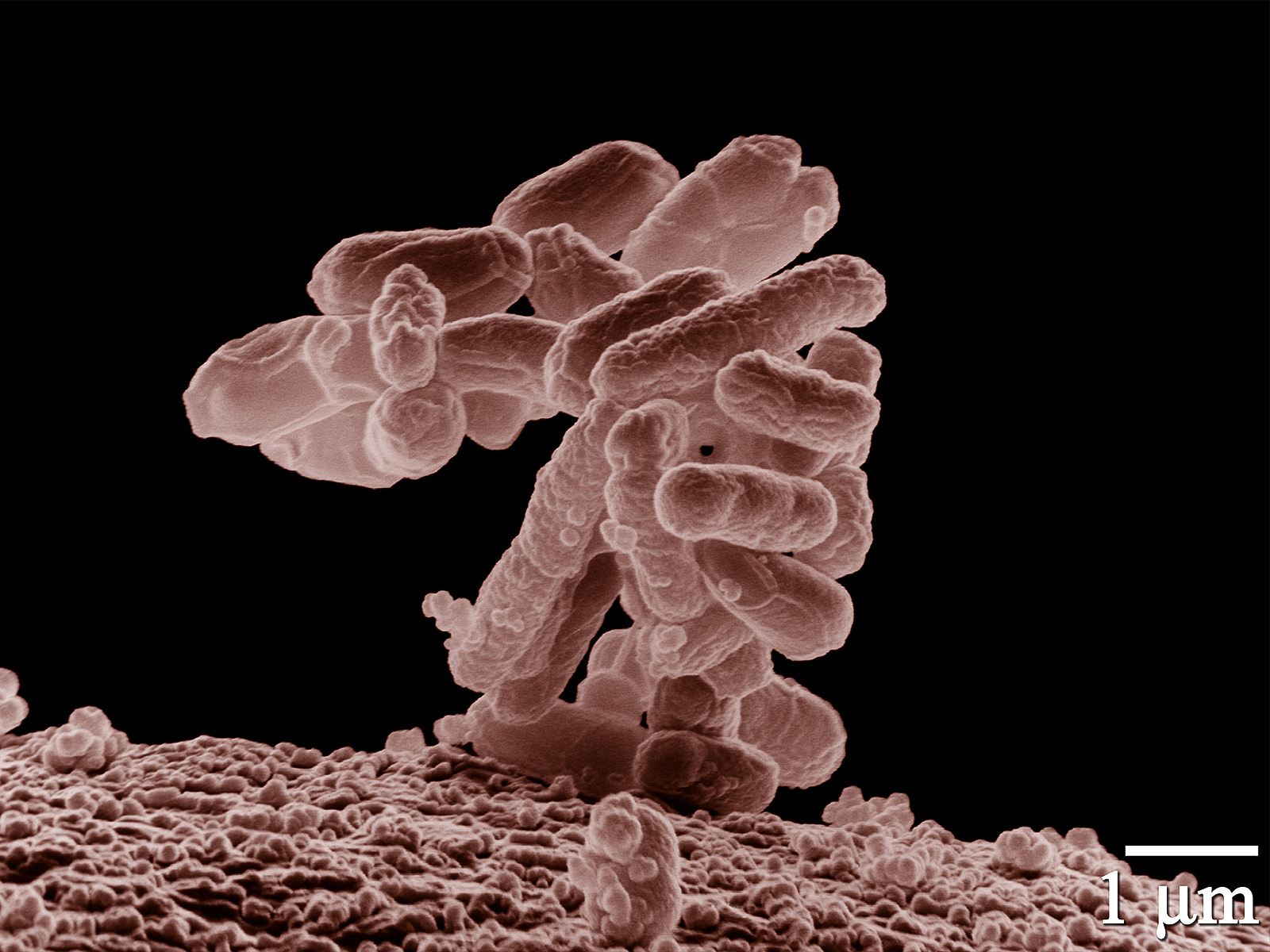
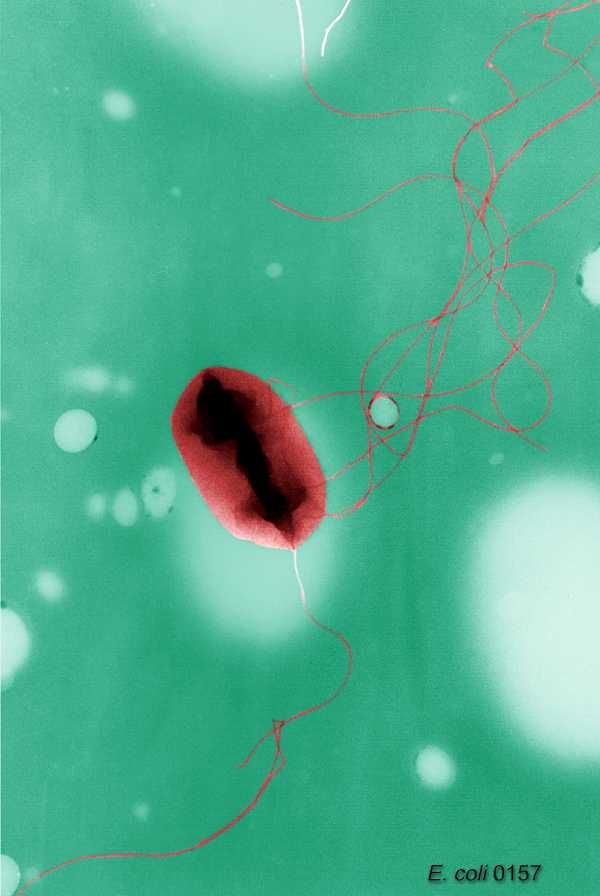
Image of Escherichia coli 9.0111
Image source: Wikipedia/Wikimedia
Ecology, Host, and Life Cycle
Oxygen requirementsFacultative anaerobe
Optimal temperature37
Temperature rangeMesophilic
HabitatHostAssociated
Biotic relationshipFree living
Host(s)Not Available
Cell arrangementPairs - Singles
SporulationNot Available
Energy sourceNot Available
PathogenicityNot Available

Genome Summary

Escherichia coli 9.0111 ctg1125855384389, whole genome shotgun

Gene Summary

Adenine Count

1416673 bp

Thymine Count

1415300 bp

Guanine Count

1454373 bp

Cytosine Count

1442919 bp

Genome Length

5729265 bp

Protein-coding Genes

5408 genes

Non-Coding Genes

772 genes

# of Chromosomes/Plasmids

1

Genes

NameLocus TagUniProt IDStrand OrientationGene Start/EndProtein Molecular Weight
hydrogenase nickel insertion protein hypaEC90111_1643P0A703Negative4132250 - 413259112698.1
hydrogenase-2 assembly chaperone hybeEC90111_1644P0AAN2Negative4132584 - 413307217964.7
hydrogenase expression/formation proteinEC90111_1645P37182Negative4133065 - 413355917724.8
hydrogenase-2 large chainEC90111_1646P0ACE1Negative4133559 - 413526262494.6
putative ni/fe-hydrogenase 2 b-type cytochrome subunitEC90111_1647P37180Negative4135259 - 413643743604.6
tat pathway signal sequence domain proteinEC90111_1648P0AAJ9Negative4136427 - 413741336005.0
hydrogenase-2 small chainEC90111_1649P69743Negative4137416 - 413853439654.3
hypothetical proteinEC90111_1650Not AvailablePositive4138518 - 41386464865.97
pf11115 family proteinEC90111_1651P64576Negative4138723 - 413901010946.1
dienelactone hydrolase family proteinEC90111_1652Q7DFU6Negative4139129 - 414001632554.6

Displaying genes 4661 – 4670 of 6180 in total

Metabolites

4785 records
Metabolite IDMetabolite nameStructureCAS number
BASm0000173(R)-3-Hydroxybutyric acidC4H8O3Chemical structure of (R)-3-Hydroxybutyric acid625-72-3
Average104.0473Da
Monoisotopic104.047344122Da
BASm0000217alpha-ribazoleC14H18N2O4Chemical structure of alpha-ribazoleNot available
Average278.3037Da
Monoisotopic278.126657074Da
BASm0000237(R)-4'-phosphopantothenateC9H18NO8PChemical structure of (R)-4'-phosphopantothenateNot available
Average299.2149Da
Monoisotopic299.0770031Da
BASm0000238(R)-3-phenyllactateC9H9O3Chemical structure of (R)-3-phenyllactateNot available
Average165.169Da
Monoisotopic165.05571773Da
BASm00002482,3-dihydroxy-3-methylbutanoateC5H10O4Chemical structure of 2,3-dihydroxy-3-methylbutanoate1756-18-9
Average134.1305Da
Monoisotopic134.0579088Da
BASm00002502,5-didehydro-D-gluconateC6H7O7Chemical structure of 2,5-didehydro-D-gluconate53736-12-2
Average191.1156Da
Monoisotopic191.019177578Da
BASm00002512-dehydropantoateC6H9O4Chemical structure of 2-dehydropantoateNot available
Average145.1333Da
Monoisotopic145.050083776Da
BASm00002532-oxopent-4-enoateC5H5O3Chemical structure of 2-oxopent-4-enoateNot available
Average113.093Da
Monoisotopic113.024417601Da
BASm00002593alpha,12alpha-dihydroxy-7-oxo-5beta-cholanateC24H37O5Chemical structure of 3alpha,12alpha-dihydroxy-7-oxo-5beta-cholanateNot available
Average405.556Da
Monoisotopic405.264647871Da
BASm00002603alpha,7alpha-dihydroxy-12-oxo-5beta-cholanateC24H37O5Chemical structure of 3alpha,7alpha-dihydroxy-12-oxo-5beta-cholanateNot available
Average405.556Da
Monoisotopic405.264647871Da

Displaying 1–10 of 4785 metabolites

Health Effects

No health effects information available for this bacterium.