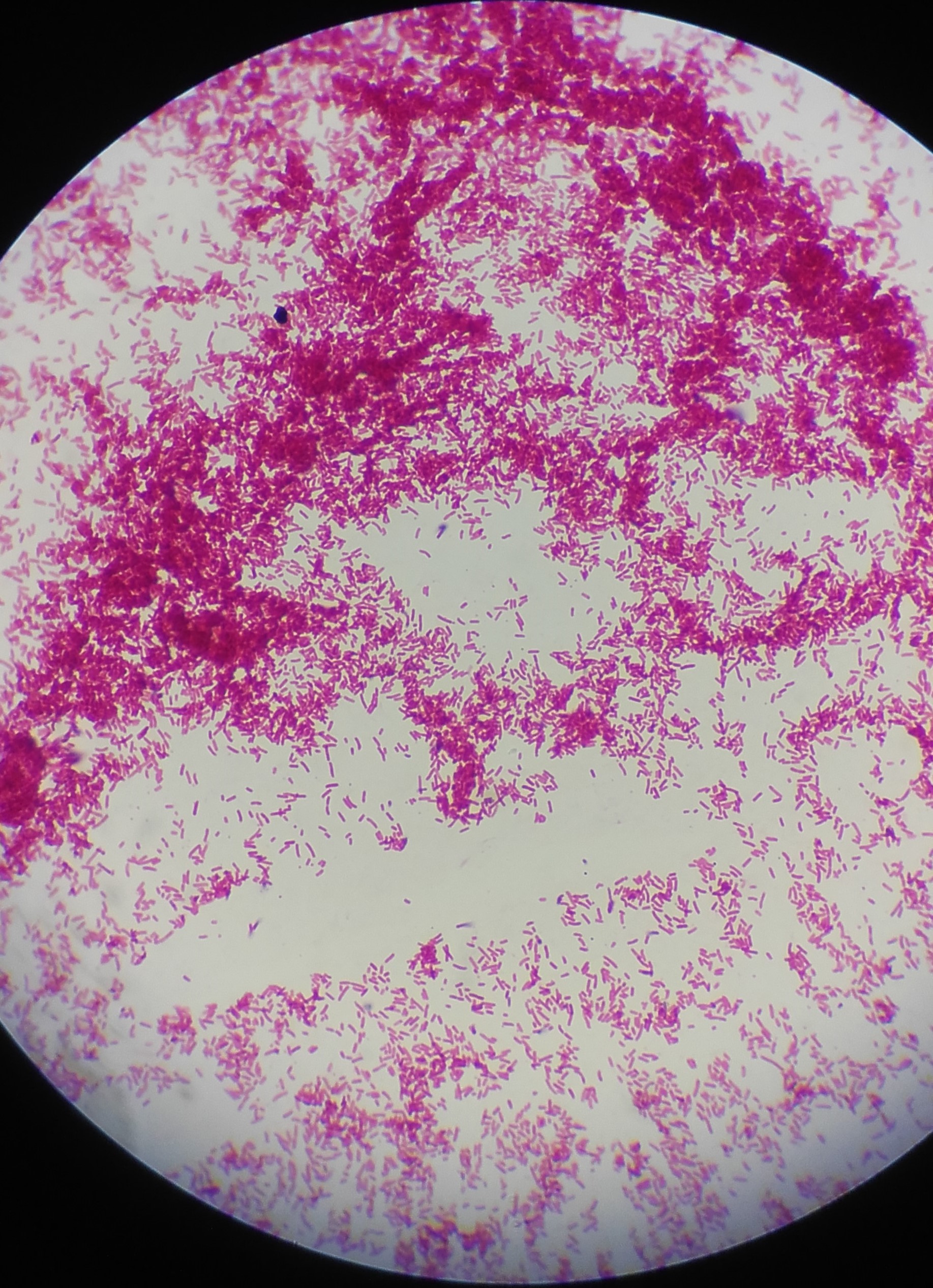
Lactobacillus ultunensis DSM 16047

Gram-positiveRodFacultative anaerobe

Kingdom

Bacillati

Phylum

Bacillota

Class

Bacilli

Order

Lactobacillales

Family

Lactobacillaceae

Genus

Lactobacillus

Description

Lactobacillus ultunensis DSM 16047 is a Gram-positive, rod-shaped bacterium that thrives in mesophilic temperature ranges, is classified as a heterotroph, and is known to be an obligate anaerobe. This microbe is part of the diverse Lactobacillus genus, which is primarily found in various body sites such as the human gastrointestinal tract, oral cavity, and urogenital tract, as well as in fermented foods. As a Gram-positive organism, Lactobacillus ultunensis possesses a thick peptidoglycan layer in its cell wall, which gives it a strong structural integrity and contributes to its capability to withstand harsher environmental conditions compared to its Gram-negative counterparts. The rod shape of the bacterium is typical for many Lactobacilli, facilitating its mobility and interaction with other microorganisms in its niche. Being a mesophilic organism, Lactobacillus ultunensis prefers moderate temperatures, typically around 30-37 degrees Celsius, which aligns with the temperatures found in the human body. Its heterotrophic nature indicates that it obtains its carbon and energy from organic compounds, which it metabolizes anaerobically, making it well adapted to environments devoid of oxygen. Lactobacillus ultunensis plays a crucial role in human health through its involvement in the fermentation process. It contributes to the production of lactic acid, which aids in maintaining a balanced microbiota, thereby inhibiting the growth of pathogenic bacteria. This strain is also utilized in the food industry for the fermentation of dairy products, providing beneficial properties such as enhanced flavor, preservation, and probiotic benefits. Its metabolic activities and interactions with host organisms underline its significance in both health and food science.

Taxonomy

KingdomBacillati
PhylumBacillota
ClassBacilli
OrderLactobacillales
FamilyLactobacillaceae
GenusLactobacillus
SpeciesLactobacillus ultunensis
StrainDSM 16047

Profile

Physiology
Gram staining propertiesPositive
ShapeRod
Mobilitynon-motile
Flagellar presenceYes
Number of membranesNot Available
Image of Lactobacillus ultunensis DSM 16047
Image source: Wikipedia/Wikimedia
Ecology, Host, and Life Cycle
Oxygen requirementsFacultative anaerobe
Optimal temperature32
Temperature rangemesophilic
HabitatNot Available
Biotic relationshipNot Available
Host(s)Not Available
Cell arrangementNot Available
Sporulationnon-spore-forming
Energy sourceNot Available
PathogenicityNot Available

Genome Summary

Lactobacillus ultunensis DSM 16047


Gene Summary

Adenine Count

Not Available

Thymine Count

Not Available

Guanine Count

Not Available

Cytosine Count

Not Available

Genome Length

Not Available

Protein-coding Genes

1945 genes

Non-Coding Genes

265 genes

# of Chromosomes/Plasmids

1

Genes

NameLocus TagUniProt IDStrand OrientationGene Start/EndProtein Molecular Weight
hypothetical proteinHMPREF0548_0011Not AvailableNegative10715 - 1145827964.3
lyttr dna-binding domain proteinHMPREF0548_0012Not AvailablePositive11704 - 1217118476.6
hypothetical proteinHMPREF0548_0013Not AvailablePositive12168 - 1259616720.1
abc transporter, atp-binding proteinHMPREF0548_0014Not AvailablePositive12603 - 1352334073.9
hypothetical proteinHMPREF0548_0015Not AvailablePositive13529 - 1429329074.8
hypothetical proteinHMPREF0548_0016Not AvailableNegative14357 - 1501325370.3
glycosyl hydrolase family 25HMPREF0548_0017Not AvailablePositive15220 - 1640142689.8
hypothetical proteinHMPREF0548_0018Not AvailableNegative16398 - 166529878.23
hypothetical proteinHMPREF0548_0019Not AvailablePositive16723 - 1712115109.0
hypothetical proteinHMPREF0548_0020Not AvailableNegative17165 - 1760216951.3

Displaying genes 11 – 20 of 2210 in total

Pathways

0 pathways

No pathways found

No metabolic pathways have been associated with this bacterium yet.

Metabolites

262 records
Metabolite IDMetabolite nameStructureCAS number
BASm0000237(R)-4'-phosphopantothenateC9H18NO8PChemical structure of (R)-4'-phosphopantothenateNot available
Average299.2149Da
Monoisotopic299.0770031Da
BASm00002512-dehydropantoateC6H9O4Chemical structure of 2-dehydropantoateNot available
Average145.1333Da
Monoisotopic145.050083776Da
BASm0000377(S)-malateC4H4O5Chemical structure of (S)-malateNot available
Average132.0716Da
Monoisotopic132.005873238Da
BASm0000893crotonobetaineC7H13NO2Chemical structure of crotonobetaine927-89-9
Average143.1836Da
Monoisotopic143.0946287Da
BASm0000989GlycerolC3H8O3Chemical structure of Glycerol56-81-5
Average92.0938Da
Monoisotopic92.04734412Da
BASm0001167triphosphateO10P3Chemical structure of triphosphate14127-68-5
Average252.9153Da
Monoisotopic252.8704308Da
BASm00011795-hydroxyisourateC5H4N4O4Chemical structure of 5-hydroxyisourateNot available
Average184.1097Da
Monoisotopic184.0232546Da
BASm0001639CobinamideC48H72CoN11O8Chemical structure of Cobinamide13497-85-3
Average990.0874Da
Monoisotopic989.4897335Da
BASm0001661Cu(2+)CuChemical structure of Cu(2+)7440-50-8
Average63.546Da
Monoisotopic62.929601079Da
BASm0001921(S)-3-methyl-2-oxopentanoateC6H9O3Chemical structure of (S)-3-methyl-2-oxopentanoate1460-34-0
Average129.1339Da
Monoisotopic129.0551692Da

Displaying 1–10 of 262 metabolites

Health Effects

No health effects information available for this bacterium.