Streptococcus pneumoniae CGSP14

Gram-positiveCocciNon-motileFacultative anaerobe

Kingdom

Bacillati

Phylum

Bacillota

Class

Bacilli

Order

Lactobacillales

Family

Streptococcaceae

Genus

Streptococcus

Description

Streptococcus pneumoniae CGSP14 is a gram-positive, coccoid-shaped bacterium that thrives in a mesophilic temperature range, is categorized as a chemoheterotroph, and exhibits facultative anaerobic characteristics. This microbe is primarily found in the respiratory tract of healthy humans, colonizing the nasopharynx, but can also be present in other body sites such as the sinuses and middle ear, leading to opportunistic infections. As a gram-positive organism, S. pneumoniae possesses a thick peptidoglycan layer in its cell wall, which retains the crystal violet stain, appearing blue or violet under the microscope. This structural feature contributes to its virulence and ability to evade the host’s immune system. The coccoid shape facilitates its survival in various environments and enables it to form pairs or chains, aiding in colonization and transmission. S. pneumoniae is classified as a chemoheterotroph, meaning it derives its energy and carbon from organic compounds, which is critical for its survival in the nutrient-rich environments of the human respiratory tract. Its facultative anaerobic nature allows it to adapt to both aerobic and anaerobic conditions, thus thriving in different niches of the human body. One notable aspect of Streptococcus pneumoniae CGSP14 is its ability to form biofilms, particularly in the nasopharynx, which enhances its persistence and resistance to antibiotics. This capability is a significant factor in its role in causing diseases such as pneumonia, meningitis, and otitis media, especially in vulnerable populations like children and the elderly. Furthermore, the strain has been studied for its genetic diversity and resistance mechanisms, providing insights into microbial pathogenesis and public health challenges posed by antibiotic-resistant bacteria.

Taxonomy

KingdomBacillati
PhylumBacillota
ClassBacilli
OrderLactobacillales
FamilyStreptococcaceae
GenusStreptococcus
SpeciesStreptococcus pneumoniae
StrainCGSP14

Profile

Physiology
Gram staining propertiesPositive
ShapeCocci
MobilityNo
Flagellar presenceYes
Number of membranes1
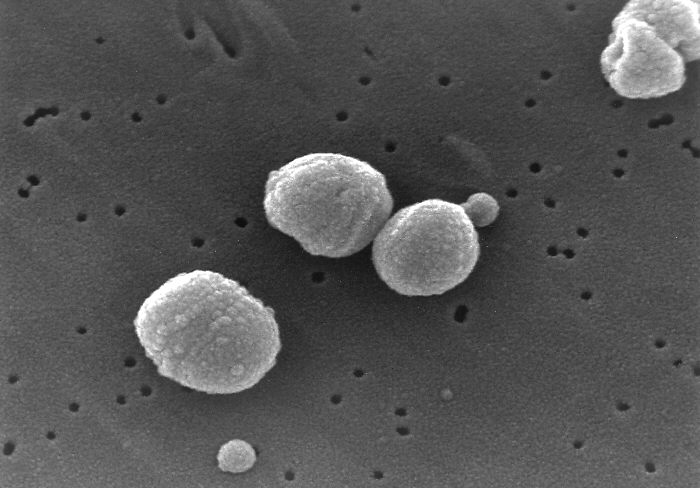
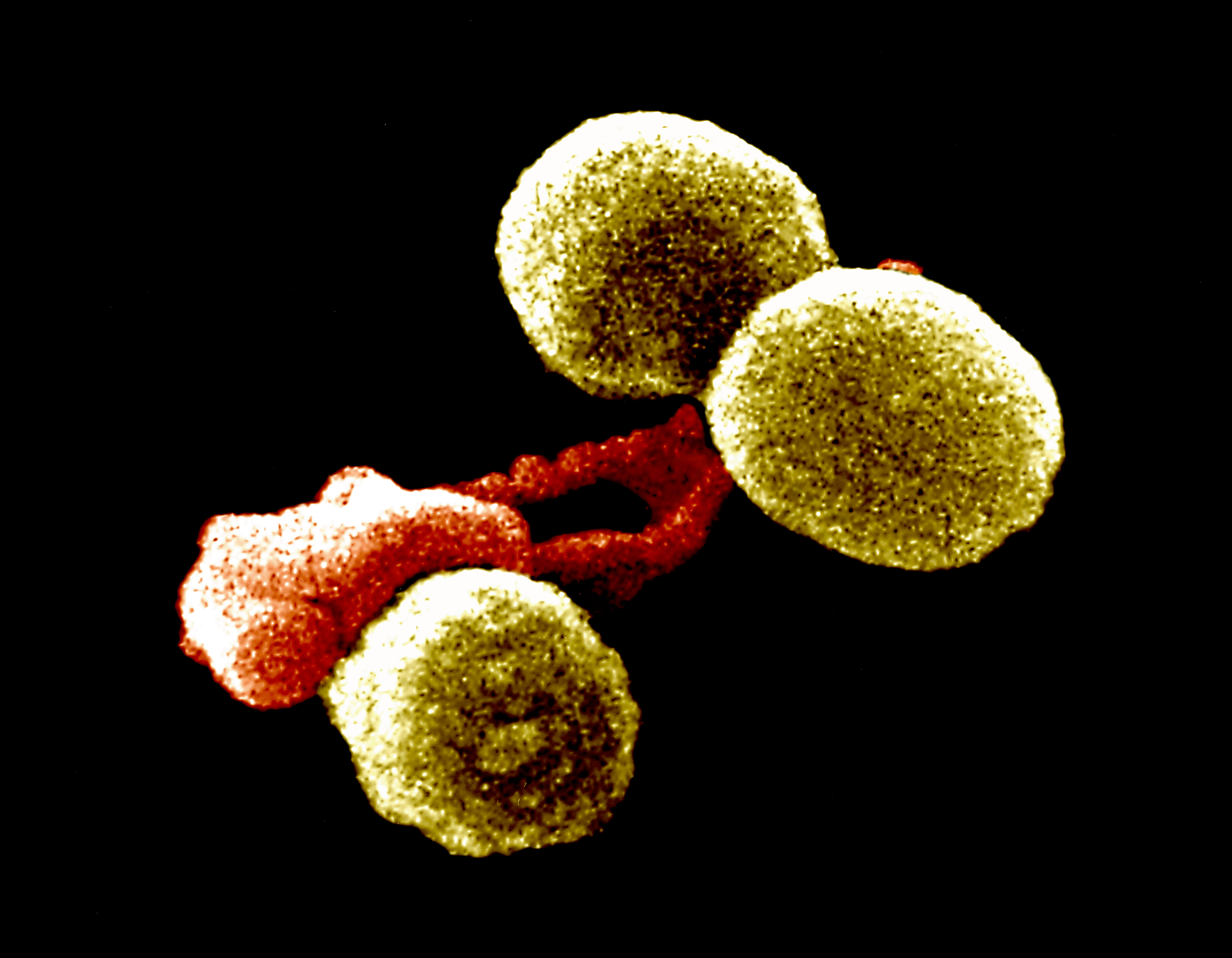
Image of Streptococcus pneumoniae CGSP14
Image source: Wikipedia/Wikimedia
Ecology, Host, and Life Cycle
Oxygen requirementsFacultative anaerobe
Optimal temperature30
Temperature rangeMesophilic
HabitatMultiple
Biotic relationshipFree living
Host(s)Not Available
Cell arrangementChains - Pairs
SporulationNonsporulating
Energy sourceNot Available
PathogenicityYes

Genome Summary

Streptococcus pneumoniae CGSP14


Gene Summary

Adenine Count

671250 bp

Thymine Count

666149 bp

Guanine Count

438032 bp

Cytosine Count

433767 bp

Genome Length

2209198 bp

Protein-coding Genes

2170 genes

Non-Coding Genes

73 genes

# of Chromosomes/Plasmids

1

Genes

NameLocus TagUniProt IDStrand OrientationGene Start/EndProtein Molecular Weight
hypothetical proteinSPCG_RS00325Not AvailablePositive59301 - 595288575.03
adenylosuccinate lyaseSPCG_RS00330Not AvailablePositive59591 - 6088949593.9
lpxtg-anchored beta-n-acetylhexosaminidase strhSPCG_RS00335Not AvailableNegative60944 - 64882144710.0
gntr family transcriptional regulatorSPCG_RS00340Not AvailableNegative65196 - 6591227937.0
glycoside hydrolase family 35 proteinSPCG_RS00345Not AvailablePositive66260 - 6804769099.1
pts sugar transporter subunit iibSPCG_RS00350Not AvailablePositive68044 - 6852017185.1
pts mannose/fructose/sorbose/n-acetylgalactosamine transporter subunit iicSPCG_RS00355Not AvailablePositive68548 - 6945331885.2
pts system mannose/fructose/sorbose family transporter subunit iidSPCG_RS00360Not AvailablePositive69440 - 7025530045.2
pts sugar transporter subunit iiaSPCG_RS00365Not AvailablePositive70262 - 7066614670.4
sis domain-containing proteinSPCG_RS00370Not AvailablePositive70964 - 7212442853.2

Displaying genes 61 – 70 of 2243 in total

Pathways

0 pathways

No pathways found

No metabolic pathways have been associated with this bacterium yet.

Metabolites

85 records
Metabolite IDMetabolite nameStructureCAS number
BASm0000387(6R)-5,10-methylene-5,6,7,8-tetrahydrofolateC20H21N7O6Chemical structure of (6R)-5,10-methylene-5,6,7,8-tetrahydrofolateNot available
Average455.432Da
Monoisotopic455.1564286Da
BASm0000989GlycerolC3H8O3Chemical structure of Glycerol56-81-5
Average92.0938Da
Monoisotopic92.04734412Da
BASm0001697(S)-4,5-dihydroxypentane-2,3-dioneC5H8O4Chemical structure of (S)-4,5-dihydroxypentane-2,3-dioneNot available
Average132.1146Da
Monoisotopic132.042258744Da
BASm0001865diphosphateHO7P2Chemical structure of diphosphateNot available
Average174.95Da
Monoisotopic174.9213971Da
BASm0001921(S)-3-methyl-2-oxopentanoateC6H9O3Chemical structure of (S)-3-methyl-2-oxopentanoate1460-34-0
Average129.1339Da
Monoisotopic129.0551692Da
BASm0002305(S)-2-ethyl-2-hydroxy-3-oxobutanoateC6H9O4Chemical structure of (S)-2-ethyl-2-hydroxy-3-oxobutanoateNot available
Average145.135Da
Monoisotopic145.0506324Da
BASm0002307(2R,3R)-2,3-dihydroxy-3-methylpentanoateC6H11O4Chemical structure of (2R,3R)-2,3-dihydroxy-3-methylpentanoateNot available
Average147.1491Da
Monoisotopic147.06573384Da
BASm0002749ADP-alpha-D-glucoseC16H23N5O15P2Chemical structure of ADP-alpha-D-glucoseNot available
Average587.329Da
Monoisotopic587.0676862Da
BASm0002780orotidine 5'-phosphateC10H10N2O11PNot available2149-82-8
Average365.168Da
Monoisotopic365.003866888Da
BASm0002812aldehydo-D-glucose 6-phosphateC6H13O9PChemical structure of aldehydo-D-glucose 6-phosphateNot available
Average260.1358Da
Monoisotopic260.0297185Da

Displaying 1–10 of 85 metabolites

Health Effects

No health effects information available for this bacterium.