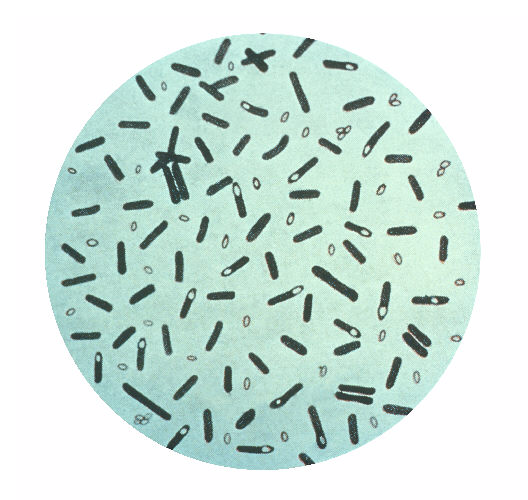
Clostridium botulinum F str. Langeland

Gram-positiveRodMotileAnaerobe

Kingdom

Bacillati

Phylum

Bacillota

Class

Clostridia

Order

Eubacteriales

Family

Clostridiaceae

Genus

Clostridium

Description

Clostridium botulinum F str. Langeland is a gram-positive, rod-shaped bacterium that thrives in anaerobic environments, exhibiting a preference for mesophilic temperatures. As a chemoheterotroph, it derives energy from organic compounds, which it metabolizes in the absence of oxygen. This organism is an obligate anaerobe, meaning it cannot survive in the presence of oxygen, making it commonly found in low-oxygen environments such as soil, sediments, and the intestines of various animals. The structural characteristics of C. botulinum Langeland include a thick peptidoglycan layer that helps it retain the gram stain, affirming its classification as gram-positive. The rod shape of the bacterium allows for efficient colonization and resource acquisition in its preferred habitats. Its mesophilic temperature preference indicates that it grows optimally at moderate temperatures, typically between 20°C and 37°C, which coincides with the natural temperature ranges of many habitats. As a chemoheterotroph, C. botulinum Langeland utilizes complex organic materials, illustrating its role in nutrient cycling within its ecosystem. Its ability to thrive in anaerobic conditions makes it adept at surviving in environments where other microorganisms may falter. Notably, C. botulinum is infamous for producing botulinum toxin, one of the most potent neurotoxins known, which can lead to the potentially fatal illness botulism in humans and animals.Furthermore, strains like Langeland are of particular interest in the study of food safety, as they can contaminate improperly preserved or home-canned foods, highlighting the importance of understanding their ecological role and pathogenic potential. The study of such strains continues to shed light on their genetics, toxin production mechanisms, and potential applications in therapeutic contexts, such as the treatment of certain muscle disorders.

Taxonomy

KingdomBacillati
PhylumBacillota
ClassClostridia
OrderEubacteriales
FamilyClostridiaceae
GenusClostridium
SpeciesClostridium botulinum
StrainLangeland

Profile

Physiology
Gram staining propertiesPositive
ShapeRod
MobilityYes
Flagellar presenceYes
Number of membranes1
Image of Clostridium botulinum F str. Langeland
Image source: Wikipedia/Wikimedia
Ecology, Host, and Life Cycle
Oxygen requirementsAnaerobe
Optimal temperature37
Temperature rangeMesophilic
HabitatMultiple
Biotic relationshipFree living
Host(s)Not Available
Cell arrangementPairs - Singles - Chains
SporulationSporulating
Energy sourceChemoorganotroph
PathogenicityYes

Genome Summary

Clostridium botulinum F str. Langeland


Gene Summary

Adenine Count

5952 bp

Thymine Count

7006 bp

Guanine Count

2019 bp

Cytosine Count

2554 bp

Genome Length

17531 bp

Protein-coding Genes

23 genes

Non-Coding Genes

0 genes

# of Chromosomes/Plasmids

1

Genes

NameLocus TagUniProt IDStrand OrientationGene Start/EndProtein Molecular Weight
replication initiation proteinCLI_RS18895Not AvailableNegative5606 - 661940149.5
sigma-70 family rna polymerase sigma factorCLI_RS18900Not AvailablePositive7202 - 773221106.8
dna polymerase iii dnaeCLI_RS18905Not AvailableNegative7958 - 842518276.5
histidine phosphatase family proteinCLI_RS18910Not AvailableNegative8465 - 910924966.6
duf1659 domain-containing proteinCLI_RS18915Not AvailablePositive9455 - 96768084.04
duf2922 domain-containing proteinCLI_RS18920Not AvailablePositive9696 - 99238518.25
hypothetical proteinCLI_RS18925Not AvailableNegative9995 - 102228844.48
duf3990 domain-containing proteinCLI_RS18930Not AvailableNegative10224 - 1070918944.5
duf3791 domain-containing proteinCLI_RS18935Not AvailableNegative10706 - 109308812.64
replication proteinCLI_RS18940Not AvailableNegative11158 - 1254954710.9

Displaying genes 11 – 20 of 23 in total

Pathways

0 pathways

No pathways found

No metabolic pathways have been associated with this bacterium yet.

Metabolites

348 records
Metabolite IDMetabolite nameStructureCAS number
BASm0000217alpha-ribazoleC14H18N2O4Chemical structure of alpha-ribazoleNot available
Average278.3037Da
Monoisotopic278.126657074Da
BASm0000237(R)-4'-phosphopantothenateC9H18NO8PChemical structure of (R)-4'-phosphopantothenateNot available
Average299.2149Da
Monoisotopic299.0770031Da
BASm00002512-dehydropantoateC6H9O4Chemical structure of 2-dehydropantoateNot available
Average145.1333Da
Monoisotopic145.050083776Da
BASm0000377(S)-malateC4H4O5Chemical structure of (S)-malateNot available
Average132.0716Da
Monoisotopic132.005873238Da
BASm0000387(6R)-5,10-methylene-5,6,7,8-tetrahydrofolateC20H21N7O6Chemical structure of (6R)-5,10-methylene-5,6,7,8-tetrahydrofolateNot available
Average455.432Da
Monoisotopic455.1564286Da
BASm0000989GlycerolC3H8O3Chemical structure of Glycerol56-81-5
Average92.0938Da
Monoisotopic92.04734412Da
BASm0001035indole-3-pyruvateC11H8NO3Chemical structure of indole-3-pyruvate35656-49-6
Average202.1861Da
Monoisotopic202.0504181Da
BASm0001167triphosphateO10P3Chemical structure of triphosphate14127-68-5
Average252.9153Da
Monoisotopic252.8704308Da
BASm0001360methanesulfonateCH3O3SChemical structure of methanesulfonate59721-29-8
Average95.09Da
Monoisotopic94.980838711Da
BASm0001639CobinamideC48H72CoN11O8Chemical structure of Cobinamide13497-85-3
Average990.0874Da
Monoisotopic989.4897335Da

Displaying 1–10 of 348 metabolites

Health Effects

No health effects information available for this bacterium.